SK
 CZ

1. When old cells stop “dying off”
The key issue lies in what senescent “zombie” cells secrete. Their “voice” is called SASP —the senescence-associated secretory phenotype.
It’s a “deadly,” toxic cocktail of inflammatory molecules, enzymes, growth factors, and signals that damage their surroundings.
Healthy neighboring cells perform worse under this pressure, regenerate less effectively, and some even approach senescence. It’s like a single piece of rotten fruit in a bowl: if you don’t remove it, it will spoil the rest very quickly. And because the number of senescent cells increases significantly with age, we feel their impact in tissues that require calm and coordination—everywhere, in blood vessels, joints, lungs, skin, and even in the brain.
SASP increases “noise” in the body: it promotes low-grade inflammation, disrupts the delicate balance of the immune system, slows healing, and impairs communication between cells. All of this accelerates wear and tear and creates fertile ground for lifestyle-related diseases—from atherosclerosis and osteoarthritis to certain neurodegenerative and metabolic disorders. Suddenly, we’re no longer just talking about calendar age; we’re talking about the rate of biological aging.
The good news is that scientists today distinguish between two complementary strategies for intervening in this process. The first involves senolytics — substances that help specifically remove these unproductive cells. The second are senomorphs — substances and approaches that, while they do not remove the cell, “silence” its toxic signaling, or SASP. These strategies are not mutually exclusive; on the contrary, they are often combined: silence, stabilize, and clear out at the right time. And alongside all of this stands another quiet yet powerful ally— autophagy, the cells’ natural recycling mechanism, which can remove damaged components from the body before the problem escalates.
It’s only fair to tell the other side of the story as well. The senescence brake evolved with good intentions—it provides short-term protection against damage and tumor proliferation. The problem arises when this short-term brake becomes a long-term handbrake that remains engaged while driving downhill. That’s why we’re seeking a balance today: how to preserve the protective benefits while minimizing long-term damage. The answer isn’t a single “miracle,” but rather a smart combination of lifestyle choices, subtle modulators, and, in some cases, more targeted interventions.
Since this topic is extremely important, I want to guide you through it step by step so that you understand the importance of eliminating and preventing “zombie” cells. First, we’ll clearly explain exactly what zombie—or senescent—cells are, how they form, and what they do in tissues. Then we’ll explain the differences between senolytics and senomorphs, what substances are being researched in this field, and what we can realistically expect from them. We’ll take a closer look at autophagy and explore simple ways to support it in everyday life. Finally, we’ll put together a practical, safe plan: what makes sense to try first, what to try later, what to cycle, and what to avoid.
The goal is simple: to reduce noise from the SASP, free up space for regeneration, and give the body a reserve that will allow us to age more slowly and with better quality of life. This isn’t a quest for immortality—that’s impossible. It’s about cultivating our internal environment so that “workers who no longer contribute” don’t take up space from those who are still capable of building.

2. What Are Senescent Cells and Why Are They a Problem?
A senescent cell is a cell that has consciously “withdrawn from circulation.” After severe stress—such as DNA damage, repeated division, telomere shortening, prolonged oxidation, or inflammation —it triggers an internal safety program. It stops dividing to prevent the spread of errors, enters a permanent pause, and engages protective brakes. In the short term, this is a wise decision: the body thus reduces the risk of a damaged cell becoming cancerous. Autophagy is supposed to remove these cells. However, a problem arises when the number of these “paused” cells becomes extremely high, their recycling is insufficient, and they begin to affect their entire surroundings.
The key to understanding this is their “language”—SASP. The cell persistently secretes inflammatory cytokines, chemokines, enzymes that break down the extracellular matrix, and growth signals that force neighboring cells to behave abnormally. The surrounding tissue is thus in a state of constant alarm. Healthy cells have a harder time regenerating in this environment; their sensitivity to hormones and nutrients changes, and some even allow themselves to be “infected”—they switch to a state of senescence.
This is why we speak of“zombie cells”: they do not live fully, yet they continue to “gnaw” at their surroundings.
SASP also has physical consequences. Enzymes thatbreak down intercellular connective tissue alter tissue strength, weaken blood vessel walls and joint structures, and impair the healing of skin and mucous membranes. Inflammatory mediators, in turn, shift the immune system into a mode that is less precise—it overlooks real threats and unnecessarily exaggerates minor issues. In blood vessels, this accelerates atherosclerosis; in joints, it causes wear and tear; and in the brain, it increases “noise” and impairs communication between nerve cells. In metabolism, this manifests as reduced insulin sensitivity or faster depletion of energy reserves.
The Paradoxes of Cell Death
Why don’t these cells accept their fate as they should? The signaling pathways that halted cell division often simultaneously strengthen survival mechanisms. Cells increase their resistance to signals that would otherwise trigger programmed cell death, adjust their metabolism, and cling to life even under less favorable conditions. Although the immune system can recognize and eliminate them, this ability weakens with age, and chronic overload “dulls” it. As a result, the cleanup process stalls, and the “deferred” zombie cells remain.
It’s also important to consider the context: senescence isn’t entirely harmful. In cases of acute tissue damage or development, it can play a short-term—even beneficial—role. The body uses this temporary “pause” to make repairs and eventually removes the cells. The problem arises when this temporary solution becomes a permanent state. In the modern environment , this is caused by a combination of factors —lack of sleep, insufficient physical activity, an excess of calories without micronutrients, chronic stress, and environmental pollution.
In such a “cocktail,” senescent cells accumulate faster than we can eliminate them.
If we want to slow down biological aging, we must reduce the number of “stuck” cells and dampen their toxic signaling. One approach is called senolysis—specifically helping the body eliminate these cells. The second is called senomorphism—dampening SASP and thereby reducing the damage caused by their presence. Neither approach is a silver bullet on its own, nor does it stand alone: it relies on quality sleep, regular exercise, a varied diet, a healthy microbiome, and better stress management. And it is precisely from this point that we can move on to practical strategies: when it makes sense to quiet the mind, when to “clean up,” and how to wisely cycle through these approaches to restore calm, order, and space for regeneration to the body.

3. How “zombie cells” form: the triggers that blow the fuses
Senescence doesn’t begin with one big explosion, but rather with many small sparks that, over time, blow the fuses in the cell. The first spark is usually DNA damage. Every day, thousands of tiny errors arise in our genetic code—from normal metabolism, oxidative stress, UV radiation, or toxins.
Another slow but relentless cause is the shortening of telomeres. Telomeres are protective “caps” at the ends of chromosomes that shrink slightly with each cell division. When they shrink too much, the cell receives a signal that further division would be risky. For some tissues, this makes sense—we need cell division to slow down. However, if inflammation and oxidative stress persist in the tissue at the same time, the accumulation of “stuck” cells accelerates.
Mitochondria—the powerhouses of cells—are particularly important. When they are young and well-functioning, they produce energy efficiently. However, aging, a sedentary lifestyle, poor nutrition, and toxins impair their energy production and increase the leakage of reactive oxygen species into the cells. These damage other cellular structures and set off a vicious cycle: the worse the mitochondria function, the more oxidative stress there is, the greater the damage, and the more cellular senescence occurs. Autophagy—the body’s internal recycling system that removes damaged parts and recycles material—typically breaks us out of this cycle. However, when life is overloaded with calories and lacks exercise and sleep, autophagy is “turned off” and the system can’t keep up.
Overactivation of the growth pathway also plays a role , especially if the mTOR switch is almost constantly in this “growth” position. This growth phase is great when we need to build and grow, but if it’s constantly on—with lots of food without a break, protein all day long, and no fasting windows— the body is constantly in build mode, and no one is cleaning up. The result is a mess. Repairs stall, damage piles up, and the cell is more likely to switch to emergency shutdown mode. Add to that chronic low-grade inflammation—a silent fire that won’t go out. It arises from an excess of visceral fat, from gut dysbiosis (an imbalance in the gut microbiota—the ratio and function of “good” and “bad” microorganisms), from lack of sleep, and from stress. Inflammatory signals constantly irritate the tissues, repair teams are exhausted, and immune surveillance is dulled. The result? Less precise removal of cells that should have been eliminated long ago.
Modern life adds further layers to this: a sedentary lifestyle that causes mitochondria to become sluggish; ultra-processed foods deficient in micronutrients; the constant exposure to nighttime lights and screens that disrupt melatonin and the body’s repair programs during sleep; and environmental toxins ranging from heavy metals to fine particulate matter in the air. None of these factors alone is a death sentence. Together, however, they create an environment in which cells are more likely to decide to stop—and then fail to recycle themselves.
It is important to understand that senescence is originally a protective reflex. However, when the “alarm” does not subside, it turns into a constant wailing siren that exhausts the system. That is why it makes sense to tackle the causes from multiple angles: reduce oxidative stress through better metabolism (exercise, sleep, nutrition), restore the mTOR–autophagy rhythm (regular meals within a shorter window, occasional breaks), reduce inflammation (low intake of ultra-processed calories, more fiber and omega-3s, a variety of plant polyphenols—especially from high-quality olive oil), support the mitochondria (aerobic capacity, strength training, micronutrients), and manage stress. This will not only slow the accumulation of “zombie cells” but also improve the chances that the immune system and autophagy will do their job.
In the next chapter, we’ll look at two main strategies for dealing with “retired” cells: senomorphs, which silence their toxic voice, and senolytics, which help clear out those that no longer belong in active service. The difference between them is crucial—and proper timing determines whether we truly provide relief to the body.

4. Two Intervention Strategies: Mute vs. Clear Out
When zombie cells accumulate in tissues, we have only two reasonable courses of action. Senomorphs first reduce the noise—they dampen SASP, the inflammatory signals that senescent cells persistently release into their surroundings. In doing so, they protect neighboring healthy cells, improve the environment for regeneration, and give the immune system room to breathe. In practice, this includes natural modulators, particularly sulforaphane (which activates Nrf2), curcumin, resveratrol, and omega-3, as well as methods that promote autophagy: regular exercise, quality sleep, reasonable “fasting windows,” and a diet rich in fiber and polyphenols (such as olive oil).
Senolytics are the next step: they specifically help remove senescent cells that no longer serve a purpose and cause long-term harm. When it comes to dietary supplements, fisetin or combinations with quercetin are most commonly mentioned. Senolytics are typically used cyclically (during very short “cleansing” windows), not daily. The point is not to wipe out everything, but to relieve tissues of excess burden.
Both strategies complement each other. A sensible approach is to first calm the system (senomorphics + lifestyle), stabilize the environment, and only then carefully “clean up” (short senolytic cycles). This minimizes the risk that a drastic intervention will cause more inflammation than benefit. The following always applies: the foundation is the environment—sleep, exercise, diet, and stress. Pharmacological or more aggressive interventions are only meaningful when built on this solid foundation and tailored to the individual’s condition.
Senolytics increase the vulnerability of senescent cells and help them “die off” (most commonly through apoptosis—programmed cell death).
The most commonly used are:
Fisetin (a polyphenol found in strawberries and apple peels): the most frequently cited natural senolytic in the dietary supplement field. It acts on pro-apoptotic pathways, reduces SASP, and reduces oxidative stress. It is often used cyclically (short “windows”—2–3 days followed by a 2–3-month break). Dosage based on age and weight is important.
Recommended pulse intervals (as a guideline, for healthy adults the fisetin dose is 20 mg/1 kg/day)
25–39 years: 2 days, once every 3–4 months.
Ages 40–59: 2–3 days, once every 2–3 months.
60–74 years: 3 days, once every 2 months or quarterly, depending on tolerance.
75+ / frailty: preferably 1–2 days once every 3 months or only senomorphics.
Quercetin: weaker on its own; used primarily in combination.
Sulforaphane, curcumin, EGCG, and resveratrol have predominantly senomorphic effects (inhibition of SASP, Nrf2/AMPK), but in some models they can increase selective pressure on “stuck” cells—so this is more of a gentle cleanup.
How they’re used in practice:
First, calm the body (sleep, exercise, diet, omega-3, sulforaphane/curcumin). Then, initiate a short cycle of senolytics (e.g., fisetin for 1–2 days), followed by a break and a return to senomorphic support. The goal is not to “wipe everything out,” but to relieve the tissues.
Safety notes:
Avoid a “daily” senolytic regimen without good reason — cycling makes more sense and carries a lower risk of overload. If you are taking blood-thinning medications, do not use senolytics; use only senomorphs instead.
5. Senomorphics: quiet SASP, activate repairs
Senomorphics are not about removing cells, but about “silencing” their toxic voice. When senescent cells stop flooding their surroundings with SASP signals, the tissues can breathe a sigh of relief: inflammation subsides, communication between cells improves, and the immune system has more room to work precisely. This is a pragmatic first step, especially if the body is fragile, inflammation is high, or regeneration is stalling.
In practice, natural signaling modulators have proven particularly effective. Sulforaphane activates Nrf2 and strengthens the body’s internal antioxidant and detoxification pathways, thereby dampening oxidative stress and SASP. Curcumin targets NF-κB and MAPK, reducing inflammatory “noise” without bluntly suppressing the immune system. Resveratrol and other polyphenols—such as those found in olive oil with a high polyphenol content (at least 500 mg/L) —support AMPK and sirtuin pathways, shifting metabolism toward an energy-conserving, repair-oriented mode. Omega-3 fatty acids reduce the production of pro-inflammatory eicosanoids and alter the “chemical state” of cell membranes, thereby reducing the likelihood of uncontrolled inflammatory responses. In clinical practice, metformin (AMPK) or rapamycin (mTOR) are also used in some patients—however, these are medications and should be prescribed exclusively by a doctor.
The main strength of senomorphs is that they create the conditions for the body’s own repair mechanisms.
Autophagy—the body’s internal recycling system—plays a key role here. The most reliable way to support it is through sufficient sleep with a regular rhythm, daily exercise that combines aerobic capacity with strength training, and sensible meal timing. Time-restricted eating within a shorter window, a smaller evening meal, and breaks between meals reduce the constant pressure on mTOR and make room for “cleanup” pathways. Add to this a high-quality diet (e.g., the Mediterranean diet) rich in fiber for the microbiota and a varied selection of plant-based sources of polyphenols—these are the natural fuel for the subtle modulation of inflammation.
Senomorphics are well-tolerated when used in a cyclical regimen with senolytics. Atypical , cautious approach involves first stabilizing the body’s internal environment for several weeks through lifestyle changes and gentle modulators, and only then introducing a short “cleanup” window with a senolytic. Afterward, we return to gentle, sustainable support. The goal is not to chase quick results; the goal is to change the microenvironment in the tissues so that they repair themselves and age more slowly.

6. Autophagy: When the Body Repairs Itself from Within
Autophagy is a cellular process we’ve already discussed in my articles, such as the one on caloric restriction. Let’s briefly review the most important conditions under which it occurs in cells. It occurs when we give them the space to do so. Thanks to autophagy, cells break down damaged components, recycle materials, and clear out waste that would otherwise increase inflammation and accelerate senescence. Imagine it as a cleaning crew that shows up when the noise in the workshop dies down—if the production machine is constantly running (constant eating, chronic stress, lack of sleep), the cleaners can barely get inside.
Rhythm creates the most reliable conditions for autophagy. Regular, high-quality sleep stabilizes hormonal fluctuations and gives the body time to run its nighttime repair programs. Daily exercise that combines aerobic activity with strength training improves mitochondrial function and makes fat burning “cleaner,” so fewer free radicals damage the cells. A well-timed diet—a shorter eating window, gaps between meals, and a lighter dinner—switches off mTOR and allows recycling pathways to activate. This isn’t about asceticism or constant fasting, but about rhythm: phases of nutrition and growth should alternate with phases of repair.
Nutrition can also support these repairs through quality. When we include a variety of vegetables, plant polyphenols, and sufficient protein in our diet, cells have the materials they need for repair while also facing fewer inflammatory triggers. Certain natural compounds—such as sulforaphane, curcumin, and resveratrol—shift internal switches toward a more gentle metabolism and help suppress SASP.
Autophagy is not a goal in and of itself. It is a tool that keeps tissues supple and functional, and prevents senescent cells from accumulating under favorable conditions. When we establish a rhythm of sleep, movement, and eating, senomorphs are more effective, and we can make senolytic “windows” shorter and safer. From the outside, it looks simple: a little better sleep, a few more steps, one less meal.
From the inside, however, it’s a significant shift in environment—a quiet in which the body can finally repair itself.

7. What the Research Says: Promises Worth Noting and Limits to Respect
Research on this topic is ongoing, and it suggests that when we reduce the number of senescent cells or dampen SASP, inflammation decreases, healing improves, tissues become more elastic, and some signs of aging are slowed. This is evident in blood vessels, skin, joints, and even cognitive function and metabolism. The mechanisms make sense—from anti-apoptotic proteins in “stuck” cells, through Nrf2/AMPK, to mitochondrial restoration and the promotion of autophagy.
We are seeing indications that certain natural substances can significantly reduce inflammatory markers and improve skin parameters, physical condition, and subjective energy levels.
Senolytics are the area with the highest expectations, but also the greatest potential risks. In mathematical models, they can “clear out” excess “zombie cells” and relieve tissue stress. In humans, however, we are currently working with cautious protocols and short cycles; stronger combinations are the domain of clinical research and medical supervision. A reasonable “window” makes more sense than daily administration—not because daily doses are necessarily harmful, but because the goal is selectivity, not blanket suppression. After all, nature doesn’t automatically destroy everything for the sake of “something,” because many things can be repaired
Senomorphics do not have such a dramaticeffect , but from the perspective of safety and sustainability, they are often a more favorable first choice. Suppressing SASP via Nrf2, AMPK, or NF-κB translates into lower “noise” in tissues, better communication between cells, and a better response to further interventions. Here we also have more data from the realm of general prevention—anti-inflammatory diets, omega-3s, polyphenols, sleep, and exercise; together, they create a foundation on which even small doses of more targeted interventions yield greater results.
To support long-term health, vitality, and the body’s resistance to serious diseases. 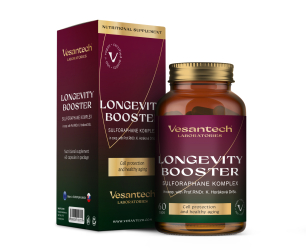
Autophagy is a chapter unto itself. We see a clear link between the m-Tor “grow–repair” cycle and a longer, healthier lifespan. Better sleep, regular exercise, occasional “lightening” of the diet, and a high-quality diet are associated with lower inflammation and better metabolic flexibility. This isn’t a quick fix, but a consistent regimen that transforms the tissue environment.
Nothing can replace the basics—sleep, exercise, diet, stress management, and the microbiome. Without them, even a promising molecule hits a ceiling. If we’re lazy and don’t take care of ourselves, even the best supplement won’t help us.
If we take reasonable expectations from the research, the approach is clear: first, slow down; then, carefully clean up; and in between, maintain a rhythm that allows the body time to repair itself. The promises are real—not in the form of immortality, but in the form of a greater health reserve grounded in both biology and daily habits.
8. A Practical Plan: A Gentle, Safe Start
A recap to wrap things up. Let’s improve our sleep—aim for consistent bedtime and wake-up times, a cooler room, darkness, and silence. This alone will reduce inflammatory stress and improve the body’s nighttime cleanup. Add a rhythm of movement: during the week, alternate brisk walking or aerobic activity with two short strength training sessions; your mitochondria will come alive and the “sparkling” in your cells will subside. Structure your meals so they mark a clear beginning and end to the day: a shorter eating window, breaks between meals, and a lighter dinner will create space for autophagy without feeling like a punishment.
Then activate the “silent modulators.” Incorporate various natural sources into your diet, such as omega-3s, fiber for the microbiome, and a variety of vegetables rich in polyphenols; in today’s fast-paced world, there’s no shame in turning to nutraceuticals and other high-quality health supplements.
Reaching for sulforaphane, NAD+, carnosine, or curcumin makes sense as a first, long-term sustainable step. Butlet’s not expect immediate miracles—instead, let’s look for signs that the skin is healing better, fatigue is subsiding, and digestion is calmer. These are signs that SASP is subsiding and that the tissues have room to repair themselves.
Repair takes time.
Only when things have settled down should you consider a cleanse. The senolytic “window” should be short and targeted, not a daily routine. In practice , this means incorporating a short cycle once in a while and then giving your body a few weeks of rest to consolidate the results. During these windows, keep your routine simple, pay attention to how you feel, and don’t fall into the “more is better” trap.
Finally, pay attention to the feedback. Your body speaks subtly: better sleep, calmer joints, a clearer mind, and more stable energy. If any of these fade, simplify the routine; if they improve, keep going. The goal isn’t to do everything at once, but to stay on course—less noise, more room for healing.

Conclusion: Less Noise, More Life
Aging isn’t just a matter of the calendar; it’s also the soundscape of our tissues. When too many “stuck” cells accumulate in them and their SASP floods the surrounding area, life turns into a room with a siren blaring constantly. The wiser path is not to seek a single miracle, but to harmonize three simple steps: quiet down (regularly take senomorphs and maintain a rhythm of sleep, movement, and food), clean up (careful senolytic “windows,” not daily), and maintain (autophagy as daily maintenance).
When the “noise” subsides, the cell can once again hear what it needs to do. Tissues begin to cooperate again, immune surveillance becomes clearer, and health reserves grow. This is not a path to immortality, but to a greater number of good days—and in biology, that is the most practical definition of longevity.