SK
 CZ
Why Acne Develops
Acne does not have a single cause. It typically involves a combination of increased sebum production, blockage of the sebaceous gland ducts, proliferation of the bacterium Cutibacterium acnes, and inflammation. Hormonal changes can increase sebum production, which is why acne is common during puberty, but it can persist or even develop in adulthood.
How Acne Manifests
- Blackheads and whiteheads—clogged pores.
- Inflamed red pimples and pustules.
- Deeper, painful nodules or cysts in more severe forms.
- Post-inflammatory hyperpigmentation and scars, especially if the breakouts are squeezed or the inflammation is severe.
Daily Care
Wash your skin gently, without aggressive scrubbing or frequent degreasing—over-drying can paradoxically increase sebum production. Non-comedogenic skincare products, light moisturization, and regular sun protection are recommended, especially if you’re using active anti-acne ingredients. Squeezing inflamed lesions increases the risk of scarring.
Common dermatological options include benzoyl peroxide, topical retinoids, and azelaic acid. For moderate to severe acne, a dermatologist may opt for systemic treatment.
How to Choose Skin Supplements
Dietary supplements won’t cure acne, but certain nutrients have a proven role in maintaining healthy skin:
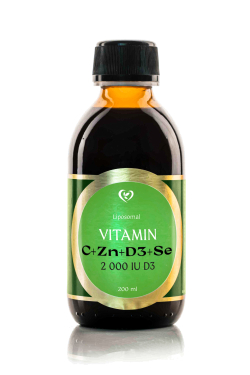
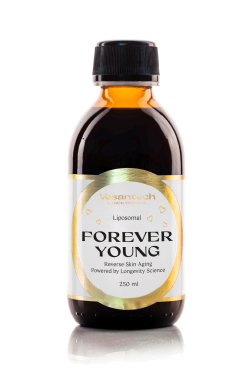
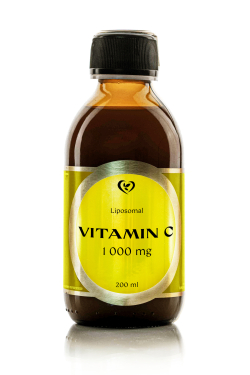
- Zinc helps maintain healthy skin. You can find it in the Vesantech Forever Young complex or in liposomal vitamin C with zinc.
- Niacin (vitamin B3) and vitamin A help maintain normal skin. Forever Young contains niacinamide and beta-carotene.
- Vitamin C contributes to normal collagen production for normal skin function.
We discuss the connection between diet and skin in the article “Eating Your Skincare—Nourishing Your Skin from the Inside.” If you suspect a hormonal cause or if your acne suddenly worsens, it’s better to see a doctor rather than self-treat with supplements.
When to See a Dermatologist
- Acne is painful, deep, or forms nodules and cysts.
- Scars or significant pigmentation are beginning to form.
- Regular skincare does not bring improvement even after two to three months.
- Acne significantly affects self-confidence or quality of life.
Frequently Asked Questions About Acne
What vitamins help with acne?
Zinc, niacin (B3), and vitamin A are particularly important for skin health—all three help maintain healthy skin. Vitamin C supports collagen production for normal skin function. Vesantech Forever Young, for example, combines these vitamins. Do not take high doses of vitamin A without a doctor’s recommendation—especially not during pregnancy or while undergoing treatment with retinoids.
Is acne just a hormonal problem?
No. Hormones are an important factor, but acne results from a combination of sebum, clogged follicles, bacteria, and inflammation.
Should you squeeze acne?
No. Squeezing can worsen inflammation and increase the risk of scarring and hyperpigmentation.
What skincare products are suitable for acne?
Gentle, non-comedogenic products that don’t clog pores or unnecessarily irritate the skin barrier. For cleansing, activated charcoal soap is a good option.
When are skincare products no longer enough?
For severe, painful, scarring, or long-lasting acne, it’s advisable to consult a dermatologist.
Sources
- European Dermatology Forum – European evidence-based (S3) guideline for the treatment of acne: https://onlinelibrary.wiley.com/doi/10.1111/jdv.13776
- American Academy of Dermatology – Acne clinical guideline: https://www.aad.org/member/clinical-quality/guidelines/acne
- European Commission – EU Register of Health Claims: https://food.ec.europa.eu/food-safety/labelling-and-nutrition/nutrition-and-health-claims/eu-register-health-claims_en