Healthy weight loss is gradual—about half a kilogram to one kilogram per week—and is based on three things: a slightly lower calorie intake, sufficient protein and fiber, and regular exercise. No pill or tea will burn fat for you. At the same time, obesity is becoming increasingly common in Slovakia: in 2022, 17% of adults were obese, which is higher than the EU average. In this category, you’ll find foods and supplements that can help you make changes to your diet. We’ve outlined specific steps in the article “How to Lose Weight Healthily and Permanently.”
Read more
What Really Works When Losing Weight
A moderate calorie deficit. The body loses weight when it takes in slightly fewer calories than it burns. Drastic diets lead to muscle loss and the yo-yo effect.
Protein at every meal. It helps maintain muscle mass and keeps you feeling full longer. Good sources include legumes, eggs, fish, dairy products, and plant-based proteins.
Fiber. Vegetables, legumes, whole-grain foods, and fiber such as psyllium increase the volume of your meal without adding many calories. Always drink plenty of water when taking psyllium.
Exercise. A combination of walking, endurance exercise, and strength training. However, only 17% of adult Slovaks exercise more than three times a week (WHO Europe / OECD).
Sleep and stress. Lack of sleep increases cravings for sweet and fatty foods.
Why “miracle pills” don’t work
“Fat burners,” detox teas, and capsules that promise weight loss without changing your diet have no approved weight-loss claims in the EU. The British Dietetic Association warns that detox teas can act as laxatives, and rapid weight loss is often just water loss (BDA). We discuss what medicine currently knows about weight-loss medications in the article “Why Ozempic Isn’t the Solution and What Actually Works.”
How to Choose Supplements and Foods for Weight Loss
Plant-Based Proteins — Protein helps build and maintain muscle mass, which is important for weight loss. Flaxseed or pumpkin protein works well in porridge, yogurt, or smoothies. You can find more options in the Proteins category.
Fiber — Psyllium or inulin can help supplement fiber, which is often lacking in most people’s diets. Learn more in the Fiber category.
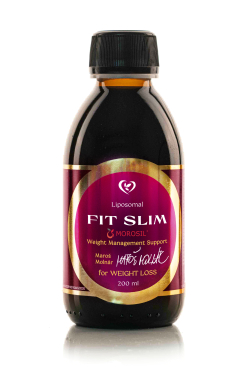
Choline - It contributes to normal lipid metabolism. It is found, for example, in liposomal FIT SLIM, which combines it with Morosil™ red orange extract and L-carnitine.
Sweeteners Instead of Sugar - When cutting back on sugar, sweeteners like stevia or birch sugar can help—but be careful: birch sugar also contains calories, although fewer than regular sugar.
No dietary supplement can replace changes to your diet and exercise routine.
When to Lose Weight Under a Doctor’s Supervision
If your body mass index (BMI) is over 30, or over 27 along with high blood pressure, diabetes, or high cholesterol.
If you’re gaining weight for no apparent reason or, conversely, losing weight unintentionally.
If you are taking medication or have a thyroid, heart, or kidney condition.
If you are pregnant or breastfeeding.
Frequently Asked Questions About Weight Loss
Which weight-loss products actually work?
No product on its own can burn fat. Foods and supplements that make healthy eating easier can help: plant-based proteins (protein helps maintain muscle mass), fiber such as psyllium, and sweeteners instead of sugar. The foundation always remains a moderate calorie deficit and exercise.
What vitamins should you take when losing weight?
When following a weight-loss diet, it’s important to keep your diet varied and ensure it includes plenty of vitamins and minerals. If you’re eating very little, a multivitamin can help. However, no vitamin will speed up weight loss.
How many kilograms is it healthy to lose in a month?
Approximately two to four kilograms per month. Faster weight loss is often due to the loss of water and muscle mass and leads to the yo-yo effect.
Do weight-loss teas help?
Warm herbal tea without sugar helps you stay hydrated and replace sugary drinks. However, it does not burn fat. Be careful with teas that have a laxative effect.
Should you cut out carbohydrates when losing weight?
No, it’s not necessary. It’s more important to limit sugar and white bread and replace them with vegetables, legumes, and whole-grain foods.
Sources
WHO Europe / OECD – State of Health in the EU: Slovakia, Country Health Profile 2025: https://eurohealthobservatory.who.int/docs/librariesprovider3/country-health-profiles/chp2025pdf/soheu-2025-slovakia-final-web.pdf?sfvrsn=80ee7a72_1&download=true
British Dietetic Association – Detox diets (2025): https://www.bda.uk.com/resource/detox-diets.html
European Commission – EU Register of Health Claims: https://food.ec.europa.eu/food-safety/labelling-and-nutrition/nutrition-and-health-claims/eu-register-health-claims_en

 SK
 CZ