SK
 CZ
Blood Pressure—Low, Normal, and High
Blood pressure is recorded as two numbers: the top number (systolic) indicates the pressure when the heart contracts, and the bottom number (diastolic) indicates the pressure when it relaxes. The European Society of Cardiology (ESC) considers readings below 120/70 mm Hg to be normal and readings of 140/90 mm Hg or higher to be hypertension when measured in a clinic (ESC 2024). Low blood pressure is generally defined as readings below 90/60 mm Hg (NHS).
- For more information on what helps with dizziness and weakness, see the Low Blood Pressure category.
- We discuss diet, salt, exercise, and omega-3s in relation to hypertension in the High Blood Pressure category.
- For more information on the heart and blood vessels, see the Heart and Cardiovascular System and Blood Vessels categories.
Red Blood Cells and Iron
Red blood cells contain hemoglobin, which binds oxygen. To produce them, the body primarily needs iron, vitamin B12, and folate. A deficiency in these nutrients leads to anemia, which manifests as fatigue, paleness, shortness of breath, or heart palpitations (NHS). EU-approved health claims:
- iron, vitamin B12, folate, and vitamin B6 contribute to normal red blood cell formation,
- vitamin B2 contributes to the maintenance of normal red blood cells,
- Vitamin C enhances iron absorption,
- vitamin K contributes to normal blood clotting.
For more details, see the Red Blood Cells and Platelets category and the article “Watch Out for Anemia.”
What to Do If You Want to “Cleanse Your Blood”
The liver and kidneys are primarily responsible for cleansing the blood. Herbal teas and juices can be part of your fluid intake, but they are no substitute for medical examination or treatment. Learn more about traditional herbs in the “Blood Cleansing” category, and about blood lipid levels in the “Cholesterol” category.
When to See a Doctor
- Your blood pressure is repeatedly measured at 140/90 mm Hg or higher.
- You frequently feel dizzy, faint, or fall.
- You feel chronically tired, pale, or short of breath during normal physical activity.
- You have unexplained bruises, or you bleed from your gums or nose—this could indicate a problem with blood clotting or platelets.
Frequently Asked Questions About Blood Problems
What vitamins are good for the blood?
Iron, vitamin B12, folate, and vitamin B6 are important for red blood cell production. Vitamin C enhances iron absorption, and vitamin K contributes to normal blood clotting.
What is a normal blood pressure?
According to the ESC, blood pressure below 120/70 mm Hg is considered normal. Readings between 120/70 and 139/89 mm Hg are classified as elevated blood pressure, and readings of 140/90 mm Hg or higher are classified as hypertension.
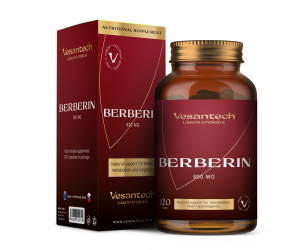
Is berberine effective for blood pressure?
Berberine does not have an approved health claim regarding blood pressure in the EU. If you are taking it along with medications for blood pressure, diabetes, or cholesterol, consult your doctor.
Sources
- ESC 2024 Guidelines for the Management of Elevated Blood Pressure and Hypertension: https://www.escardio.org/guidelines/clinical-practice-guidelines/all-esc-practice-guidelines/elevated-blood-pressure-and-hypertension/
- NHS – Low blood pressure: https://www.nhs.uk/conditions/low-blood-pressure-hypotension/
- NHS – Iron deficiency anemia: https://www.nhs.uk/conditions/iron-deficiency-anaemia/