SK
 CZ
Early Warning Signs
- Forgetting new information, repeatedly asking the same questions.
- Difficulty with planning, calculating, or performing routine activities that were previously no problem.
- Getting lost in familiar places, confusion about time.
- Trouble finding the right words.
- Changes in mood or personality; withdrawal from social interactions.
Not every instance of forgetfulness means dementia. Memory difficulties can also be caused by a vitamin B12 deficiency, a thyroid disorder, depression, lack of sleep, or a side effect of medication. That’s why it’s important to get checked out. You can read more about temporary difficulties with concentration in the article “Brain Fog.”
Modifiable Risk Factors
A 2024 report by the Lancet Commission lists 14 modifiable risk factors for dementia. It estimates that addressing these factors could prevent or delay up to approximately 45% of cases. These include:
- low educational attainment and lack of mental stimulation,
- untreated hearing and vision loss,
- high blood pressure and high LDL cholesterol,
- diabetes, obesity, and physical inactivity,
- smoking and excessive alcohol consumption,
- depression and social isolation,
- head injuries and air pollution.
Most of these are also linked to heart and vascular health. What’s good for your blood vessels is good for your brain, too.
How to Choose Supplements for Brain Health
No dietary supplement can prevent or cure Alzheimer’s disease. However, with a typical diet—especially one low in fish—supplementing certain nutrients may be beneficial:
- DHA contributes to the maintenance of normal brain function (with a daily intake of 250 mg of DHA). You can find it in EXTRA krill oil or in Omega-3 EXTRA STRONG fish oil. We explain the differences between omega-3 sources in the article “Omega-3 Under the Microscope.”
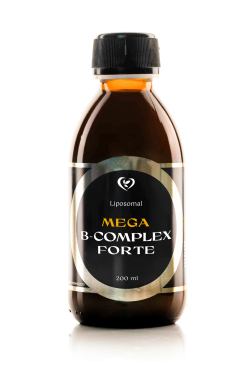
- Vitamins B6, B12, and folate contribute to normal mental function, and vitamin B12 also contributes to the normal function of the nervous system. All of these are contained in Liposomal Mega B-Complex Forte. In older adults, B12 absorption often decreases, so it’s a good idea to have your levels checked.
If a family member is taking medication for dementia or blood thinners, consult a doctor before taking any supplements.
When to See a Doctor
- Memory problems are getting worse or are noticed by loved ones.
- Changes are affecting daily life—managing finances, cooking, finding your way around, or taking medications.
- Sudden changes in behavior or confusion occur—these require prompt evaluation.
Frequently Asked Questions About Alzheimer’s Disease
What is the difference between dementia and Alzheimer’s disease?
Dementia is a general term for the decline in mental abilities. Alzheimer’s disease is its most common cause.
Is Alzheimer’s disease hereditary?
Most cases are not directly hereditary. Genetics may increase the risk, but age and modifiable risk factors play a major role.
Can Alzheimer’s disease be prevented?
Not entirely, but according to the Lancet Commission, a significant proportion of dementia cases can be delayed by managing blood pressure, hearing, physical activity, sleep, mental stimulation, and social engagement.
Do omega-3 fatty acids help the brain?
DHA helps maintain normal brain function with a daily intake of 250 mg. However, there is no evidence that it cures or halts Alzheimer’s disease.
Where can caregivers find help?
From a general practitioner, neurologist, or psychiatrist, and from patient organizations, such as the Slovak Alzheimer’s Association.
Sources
- VšZP – The Number of Alzheimer’s Patients Is Rising in Slovakia (September 22, 2025): https://www.vszp.sk/o-nas/informacie-media/tlacove-spravy/vseobecna-zdravotna-poistovna-pripaja-k-svetovemu-dnu-alzheimerovej-choroby-slovensku-pribuda-pacientov-najviac-zien-vo.html
- The Lancet Commission – Dementia Prevention, Intervention, and Care 2024: https://www.thelancet.com/commissions-do/dementia-prevention-intervention-and-care
- Alzheimer Europe – 2024 Lancet Commission, 14 Modifiable Risk Factors: https://www.alzheimer-europe.org/news/2024-lancet-commission-underscores-potential-dementia-risk-reduction-identifying-14-modifiable
- WHO – Dementia: https://www.who.int/news-room/fact-sheets/detail/dementia