SK
 CZ
The Most Common Types of Anemia
- Iron-deficiency anemia —the most common type. Causes typically include blood loss (menstruation, gastrointestinal bleeding), increased demand (pregnancy, growth), or low intake or poor absorption (vegan diet, celiac disease, inflammatory bowel disease).
- Vitamin B12 or folate deficiency anemia —red blood cells are larger than normal. It is common in older adults, vegans, after stomach surgery, or when taking certain medications, such as metformin.
- Anemia associated with chronic diseases —such as long-term inflammation, kidney disease, or tumors. Iron supplementation alone often does not help in these cases.
- Rarer types —hereditary or hemolytic anemias, which require treatment by a hematologist.
What ferritin indicates
Ferritin indicates how much iron the body has stored. Low ferritin is the earliest sign of iron deficiency—it may be reduced before hemoglobin levels drop. However, ferritin levels rise during inflammation, so your doctor evaluates it along with other test results. You can find more information about blood test results in the Blood category.
Diet for Iron Deficiency
- Iron from animal sources ( beef, liver, fish) is absorbed more easily than iron from plant sources.
- Combineplant-based sources— legumes, tofu, pumpkin seeds, and oatmeal—with a source of vitamin C, such as bell peppers or citrus fruits.
- Coffee, black and green tea, and calcium reduce iron absorption. Drink them at least one to two hours before or after a meal rich in iron or taking a supplement.
How to Choose Iron Supplements
If an iron deficiency is confirmed, supplementation is one of the essential steps—always as recommended by a doctor. Knowing the following facts will help you make the right choice:
- Iron contributes to the normal formation of red blood cells and hemoglobin, to the normal transport of oxygen in the body, and to the reduction of fatigue and exhaustion.
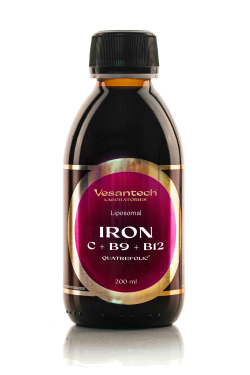
- Vitamin C enhances iron absorption. That is why liposomal natural iron contains it; this formulation also combines folate and vitamin B12 in a single dose. You can supplement vitamin C separately with liposomal vitamin C 1000 mg.
- Vitamin B12 and folate contribute to normal red blood cell formation and normal blood formation, respectively. If anemia is caused by a B12 deficiency, iron alone is not enough— Mega B-Complex Forte is recommended.
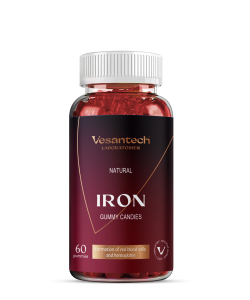
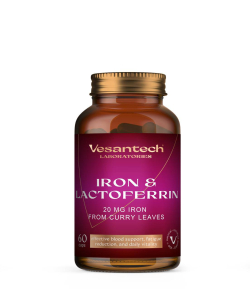
- Gentler forms of iron— Vesantech Iron + Lactoferrin combines iron from curry leaves with lactoferrin. For people who have trouble swallowing capsules, Vesantech Iron Gummies are available with vitamin B2, which contributes to normal iron metabolism.
Note on nettles: In folk medicine, nettles are traditionally associated with blood, but as a source of iron, a cup of nettle tea is negligible. If you have an iron deficiency, consider it only as a supplement to your fluid intake.
Never take iron supplements long-term without blood tests—an excess of iron is harmful to the body. Give it to children only after consulting a doctor, and keep it out of their reach.
When to See a Doctor
- Persistent fatigue, paleness, shortness of breath, or heart palpitations.
- Very heavy or prolonged menstrual periods.
- Black or bloody stools, blood in the urine, unexplained weight loss.
- Anemia during pregnancy or in children.
- Blood test results do not improve even after several months of iron supplementation.
Frequently Asked Questions About Anemia
What is the best form of iron for anemia?
It depends not only on the form but also on whether you tolerate it and take it regularly. Vitamin C enhances absorption. For those with sensitive stomachs, gentler forms are often chosen, such as liposomal natural iron or Iron + Lactoferrin. Your doctor will determine the dose and duration of treatment based on your blood test results.
How long does it take to replenish iron stores?
Hemoglobin levels usually begin to improve within a few weeks, but replenishing iron stores (ferritin) often takes three to six months.
When should you take iron—in the morning or at night?
It’s best to take it on an empty stomach or between meals, with vitamin C, and avoiding coffee, tea, and calcium. If taking it on an empty stomach causes discomfort, take it with a light meal.
Does tea help with anemia?
Herbal teas can be part of your daily fluid intake, but they won’t resolve an iron deficiency. Black and green tea actually reduce iron absorption.
Can fatigue caused by low ferritin levels occur even with normal hemoglobin levels?
Yes, low iron stores can cause fatigue even before anemia develops. The results should be evaluated with a doctor.
Sources
- WHO – Anemia (fact sheet): https://www.who.int/news-room/fact-sheets/detail/anaemia
- EFSA – Scientific Opinion on Dietary Reference Values for Iron: https://www.efsa.europa.eu/sites/default/files/consultation/150526.pdf
- EFSA – Tolerable Upper Intake Level for Iron: https://www.efsa.europa.eu/en/plain-language-summary/scientific-opinion-tolerable-upper-intake-level-iron
- European Commission – EU Register of Health Claims: https://food.ec.europa.eu/food-safety/labelling-and-nutrition/nutrition-and-health-claims/eu-register-health-claims_en