SK
 CZ
What Are Canker Sores and What Do They Look Like?
Canker sores (aphthous ulcers) are well-defined, painful sores inside the mouth. They usually have a whitish or yellowish center and a red border. They are not the same as cold sores, which are caused by the herpes virus and typically appear on the outside of the lips—more on this in the Herpes and Cold Sores category.
A common canker sore usually heals without leaving a scar. If it is very large, recurs frequently, or significantly limits your ability to eat and drink, it’s a good idea to consult a doctor or dentist to determine the cause.
What Can Contribute to the Development of Canker Sores
- Minor injuries to the mucous membrane —biting the inside of the cheek, a sharp tooth, braces, hard food, or a toothbrush that’s too stiff.
- Stress, fatigue, and hormonal changes, such as those during the menstrual cycle.
- Deficiencies in iron, folate, vitamin B12, or zinc —especially in cases of recurrent canker sores.
- Certain toothpastes containing sodium lauryl sulfate (SLS), which can irritate sensitive mucous membranes.
- Celiac disease, Crohn’s disease, certain immune disorders, or side effects from medications.
What Can Help with a Common Canker Sore
Gentle oral hygiene, a soft-bristled toothbrush, avoiding very spicy, acidic, and hard foods, and staying well-hydrated can help. For short-term relief, use topical gels and mouthwashes recommended by a pharmacist. A decoction of sage or chamomile is traditionally used as a mouth rinse. If the canker sores are very painful or extensive, a doctor may recommend more targeted topical treatment.
How to Choose Supplements for Recurrent Canker Sores
For recurrent canker sores, it makes the most sense to first have your doctor check your complete blood count, ferritin, vitamin B12, and folate levels. If a deficiency is confirmed or dietary intake has been consistently low, supplementation is clearly beneficial:
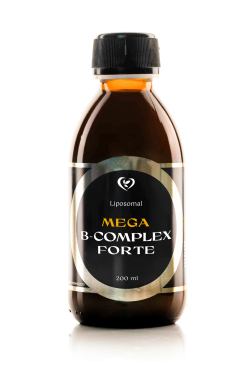
- B vitamins. Riboflavin (B2), niacin (B3), and biotin help maintain normal mucous membranes. Vitamin B12 and folate contribute to normal blood cell formation. All of these vitamins are combined in the liposomal Mega B-Complex Forte.
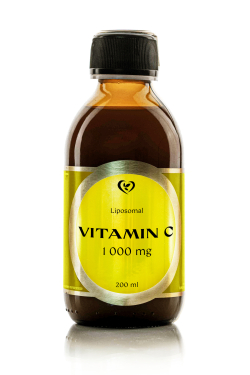
- Iron. It contributes to the normal formation of red blood cells and hemoglobin. Liposomal natural iron is combined with folate, vitamin B12, and vitamin C, which enhances iron absorption. You can read more about the proper use of iron in the Anemia category.
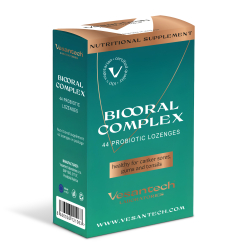
- Zinc. It contributes to the normal function of the immune system. It is found, for example, in Vesantech Biooral Complex lozenges, which are designed for oral care.
Dietary supplements are not a substitute for investigating the cause of recurrent canker sores and cannot guarantee that the sores will not return.
When to Seek Professional Help
- A canker sore or mouth ulcer lasts longer than three weeks.
- The sore is unusually large, bleeds, or worsens.
- Canker sores recur very frequently or appear in large numbers at once.
- You experience a fever, severe weakness, swelling, difficulty swallowing, or sores on other parts of the body.
Frequently Asked Questions About Canker Sores
What vitamins help with canker sores?
In cases of recurrent canker sores, deficiencies in vitamin B12, folate, and iron are most commonly cited, and zinc deficiency is less common. Riboflavin, niacin, and biotin help maintain healthy mucous membranes. The most sensible approach is to have your levels checked and supplement whatever is deficient—for example, with a B-vitamin complex or iron combined with folate and B12.
Are canker sores contagious?
Common canker sores are not contagious. They should be distinguished from cold sores, which are viral in origin and spread through contact.
How long does it take for a canker sore to heal?
Smaller canker sores usually heal within one to two weeks. Larger canker sores may take longer to heal.
Why do my canker sores keep coming back?
Common causes include repeated minor injuries, stress, and deficiencies in iron, vitamin B12, or folate, and sometimes a digestive tract disorder, such as celiac disease. If you experience frequent recurrences of canker sores, it’s a good idea to see a doctor.
When should a canker sore prompt a medical evaluation?
If it doesn’t heal within three weeks, recurs frequently, is unusually large, or is accompanied by other systemic symptoms.
Sources
- NHS – Mouth ulcers: https://www.nhs.uk/conditions/mouth-ulcers/
- EFSA – Dietary Reference Values (vitamins and minerals): https://www.efsa.europa.eu/en/topics/topic/dietary-reference-values
- European Commission – EU Register of Health Claims: https://food.ec.europa.eu/food-safety/labelling-and-nutrition/nutrition-and-health-claims/eu-register-health-claims_en