SK
 CZ
How Eczema Manifests Itself
- itching,
- dry, cracked, scaly, or thickened skin,
- redness, darker or lighter patches on darker skin,
- in infants and toddlers, most commonly on the face; later, mainly on the elbows, knees, and hands.
Eczema comes and goes in waves— periods of flare-ups alternate with calmer periods.
What Makes Eczema Worse
According to the NHS, the main triggers are (NHS):
- soaps, laundry detergents, and certain fabrics,
- allergens—pollen, dust mites, animal dander, and, for some people, certain foods,
- heat and sudden changes in temperature,
- stress and hormonal changes,
- skin infections.
Eczema caused by contact with a specific substance is described in the Dermatitis category.
Moisturizing as the Foundation
Both the European EuroGuiDerm guidelines and the NHS consider regular moisturizing (with emollients) to be the foundation of care for all forms of atopic eczema (EuroGuiDerm):
- Apply emollients as often as possible, at least twice a day, and continue even after symptoms improve,
- Wash briefly in lukewarm water and use a mild cleanser or emollient instead of soap;
- do not scoop the product out of the jar with your fingers; use a spoon or the pump instead.
For very dry areas, Hydra Dew Pure™ balm is a good choice. If symptoms worsen, your doctor will prescribe anti-inflammatory ointments.
How to Choose Supplements
Dietary supplements do not treat eczema. The following nutrients have EU-approved claims for skin health:
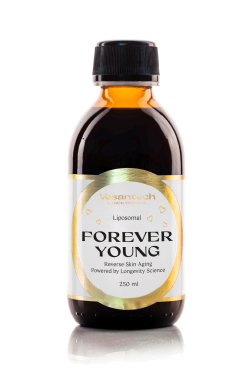
- Biotin, niacin, vitamin B2, vitamin A, and zinc contribute to the maintenance of normal skin. Biotin and zinc are found in Liposomal Peptides for Collagen Stimulation, and niacinamide and zinc are found in Vesantech Forever Young.
- Vitamin C contributes to normal collagen formation for normal skin function.
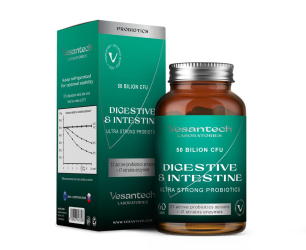
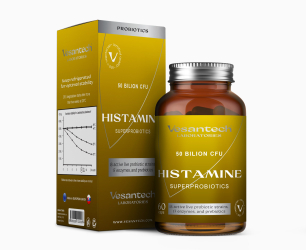
- Probiotics are the subject of research, but they do not have an approved claim for the skin in the EU. See the Probiotics category for more information.
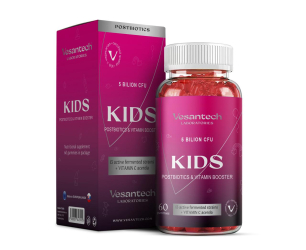
For children, choose only products intended for their age group, and for infants, consult a pediatrician before use.
When to See a Doctor
- If you are experiencing eczema symptoms for the first time, or if your current treatment is not helping.
- Seek urgent care if the eczema is weeping, has crusts or pus-filled blisters, is painful, warm, and swollen, has suddenly worsened, or is accompanied by a fever—it may be an infection (NHS).
Frequently Asked Questions About Eczema
What vitamins help with eczema?
Biotin, niacin, vitamin B2, vitamin A, and zinc help maintain healthy skin. These are found, for example, in Liposomal Multivitamin. However, vitamins are not a substitute for regular moisturizing and treatment prescribed by a doctor.
Do probiotics help with eczema?
Probiotics for eczema are being studied, but study results vary, and they do not have an approved claim for skin health in the EU. They can be part of gut microbiota care, but not a treatment for eczema.
Is eczema contagious?
No. Atopic eczema is not transmitted by touch. However, if the eczema oozes and scabs form, an infection may develop, which should be addressed with a doctor.
How often should you moisturize the skin if you have eczema?
As often as possible, at least twice a day, and continue even after the skin improves.
Can eczema be related to diet?
In some people, especially children, certain foods can worsen eczema. However, do not eliminate foods on your own—especially in children, as this can lead to nutrient deficiencies. Consult a doctor or allergist before making any changes.
What kind of cream should I use for eczema?
Fragrance-free emollients are recommended, as they moisturize and protect the skin. If symptoms worsen, your doctor will prescribe an anti-inflammatory ointment. Before using a new product, test it on a small area of skin.
Sources
- NHS – Atopic eczema: https://www.nhs.uk/conditions/atopic-eczema/
- Living EuroGuiDerm Guideline on atopic eczema (EDF): https://www.guidelines.edf.one/guidelines/atopic-ezcema
- NHS – Contact dermatitis: https://www.nhs.uk/conditions/contact-dermatitis/