Aging is a natural process, but how quickly and in what condition we age is largely influenced by our lifestyle. The strongest evidence points to regular exercise, including strength training; quality sleep; a varied diet rich in vegetables, legumes, and fish; not smoking; and managing blood pressure, blood sugar, and cholesterol. Daily protection against UV radiation is particularly beneficial for the skin. Dietary supplements can effectively complement these fundamentals, but they cannot replace them. We explain these connections in the article “12 Keys to Longevity and Sustainable Health.” You can also find Vesantech products for longevity in the “Anti-Aging and Longevity” category.
Read more
What Influences How We Age
Exercise and muscle strength. Muscle mass decreases with age. Strength training two to three times a week helps maintain strength, balance, and independence. Read more in the article “Exercise, Strength, Stability, and Aerobic Capacity.”
Sleep. Getting seven to nine hours of sleep regularly is linked to heart health, metabolism, and brain health.
Diet. The Mediterranean diet, rich in vegetables, legumes, nuts, olive oil, and fish, has the most supporting evidence. Find inspiration in the article “Blue Zones and the Secrets of Longevity.”
Silent inflammation. Long-term, low-grade inflammation is linked to several age-related diseases—read more in the article “Not All Inflammation Hurts.”
Skin. Daily sunscreen, not smoking, and getting enough sleep have a greater impact on wrinkles than most creams.
How to Choose Supplements for Healthy Aging
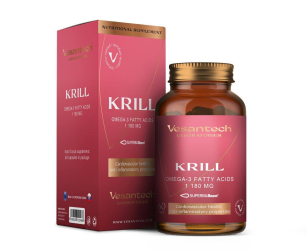
Omega-3 (EPA and DHA) contribute to normal heart function (with a daily intake of 250 mg of EPA and DHA). DHA also contributes to maintaining normal brain function. Sources include, for example, EXTRA krill oil.
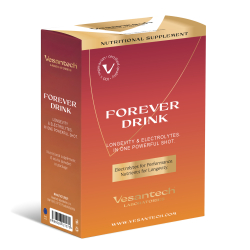
Creatine—with a daily intake of 3 g, creatine can enhance the effect of strength training on muscle strength in adults over 55. You can easily achieve this dose with Vesantech creatine monohydrate. Vesantech Forever Drink combines creatine with electrolytes and vitamin C, which contributes to normal collagen formation.
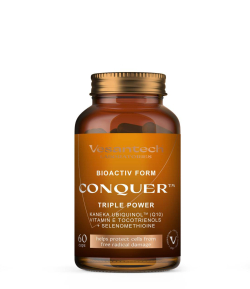
Vitamin C, vitamin E, and selenium help protect cells from oxidative stress. Vesantech Conquer, for example, combines vitamin E and selenium with coenzyme Q10.
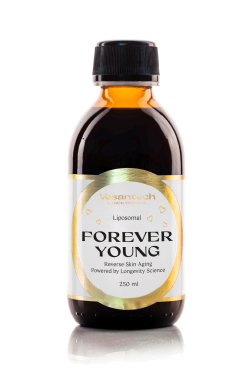
For the skin—zinc, niacin, and vitamin A help maintain normal skin condition, while vitamin C supports normal collagen production for normal skin function. Vesantech Forever Young combines these ingredients.
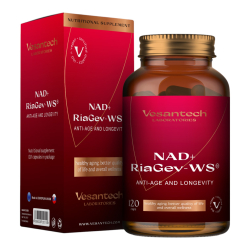
As for NAD+, coenzyme Q10, and other “longevity” substances, research in humans is still in its early stages. If you are taking blood thinners, blood pressure medication, or diabetes medication, consult your doctor before taking any supplements.
When to See a Doctor
In Slovakia, a preventive checkup with a general practitioner is covered by insurance every two years. It’s the easiest way to detect high blood pressure, high blood sugar, or high cholesterol early on—factors that most significantly influence aging.
Frequently Asked Questions About Anti-Aging
What slows down aging the most?
The strongest evidence points to regular exercise, including strength training; quality sleep; not smoking; a healthy diet; and monitoring blood pressure, blood sugar, and cholesterol.
Do anti-aging supplements make sense?
They can complement a healthy lifestyle—for example, omega-3 for normal heart function or creatine for strength training after age 55. However, they are no substitute for exercise, sleep, or diet.
What’s most important for aging skin?
Daily protection from UV rays, not smoking, and gentle skincare. Zinc, niacin, and vitamin A contribute to healthy skin.
At what age should you start taking creatine?
Creatine is suitable for adults of any age who exercise. The approved claim regarding muscle strength applies to people over 55 who engage in strength training.
Sources
WHO – Ageing and health: https://www.who.int/news-room/fact-sheets/detail/ageing-and-health
ESC 2021 Guidelines on cardiovascular disease prevention: https://academic.oup.com/eurheartj/article/42/34/3227/6358713
European Commission – EU Register of Health Claims: https://food.ec.europa.eu/food-safety/labelling-and-nutrition/nutrition-and-health-claims/eu-register-health-claims_en

 SK
 CZ