SK
 CZ
Perimenopause, Menopause, and Postmenopause
- Perimenopause is the period before the last menstrual period. Hormone levels fluctuate, the cycle tends to be irregular, and the first symptoms appear. It can last several years.
- Menopause is the last menstrual period. A doctor will confirm it retroactively after 12 months without bleeding.
- Postmenopause is the period following menopause. Lower estrogen levels primarily affect the bones, blood vessels, skin, and mucous membranes.
The climacteric, commonly known as “menopause,” is the collective term for this entire period.
The most common symptoms
- hot flashes and night sweats,
- poor sleep and fatigue,
- mood swings, irritability, and difficulty concentrating,
- irregular, lighter, or heavier periods,
- vaginal dryness and decreased libido,
- joint and muscle pain,
- more frequent urination or urinary tract infections.
Some women experience only mild symptoms, while others are significantly affected. We discuss hormones in more detail in the article “Hormonal Imbalance in Women.”
What Helps with Hot Flashes and Sleep
- Layered clothing, a cooler bedroom, and a light blanket.
- Regular exercise—walking, swimming, yoga, or strength training at least twice a week.
- Limit alcohol, caffeine, and very spicy foods if they trigger hot flashes for you.
- Don’t smoke and maintain a healthy weight.
- Stress management techniques—breathing exercises, relaxation, and getting enough sleep. See the Stress category for more information.
If you experience significant difficulties, consult your gynecologist. Hormone replacement therapy is an effective option for many women, and your doctor will assess whether it is right for you.
Herbs for Menopause
Herbs such as lady’s mantle, red clover, sage, lemon balm, hops, and lamb’s ear are traditionally used during menopause. You’ll find them in the Femina T9 tincture, Klimakterin tea, Menofyt syrup, and the K06 treatment regimen. Sage is also traditionally consumed to help with excessive sweating.
When choosing herbs, keep these rules in mind:
- Herbal preparations are not subject to the same testing as medications, so their effectiveness for menopausal symptoms is less well-studied (NHS).
- St. John’s wort may affect the effectiveness of medications—consult your doctor or pharmacist if you are taking any medications.
- Black cohosh in Menofyt syrup: If you experience yellowing of the skin or eyes, dark urine, or pain under your right rib cage, stop taking it and see a doctor.
- If you have had breast or uterine cancer, take products containing plant estrogens (red clover, licorice) only after consulting an oncologist.
Vitamins and Minerals During Menopause
After menopause, bone mass decreases more rapidly, so it’s important to take care of your bones, muscles, and nervous system. The following nutrients have EU-approved health claims (EU Register of Health Claims):
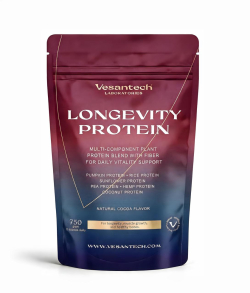
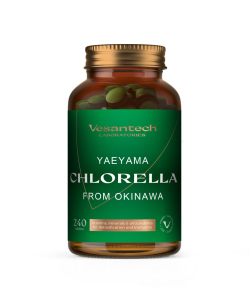
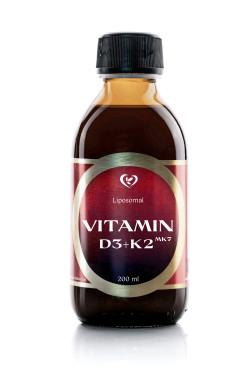
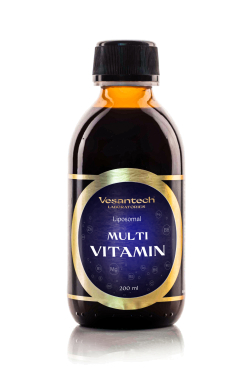
| Nutrient | Approved Claim (selection) | Example of a product |
|---|---|---|
| Vitamin D | contributes to the maintenance of normal bones and muscles and to normal calcium absorption | |
| Vitamin K | contributes to the maintenance of normal bones | |
| Vitamin C | contributes to normal collagen formation for normal bone function | |
| Magnesium | contributes to the reduction of fatigue and exhaustion and to normal muscle function | |
| Vitamin B6 | contributes to the regulation of hormonal activity | |
| EPA and DHA | contribute to normal heart function (when taking 250 mg daily) |
You get calcium mainly from dairy products, sardines, poppy seeds, sesame seeds, and mineral water. In Slovakia, the skin produces almost no vitamin D from October through March—read more in the article “Vitamin D Starting in October.” If you are taking warfarin, consult your doctor before taking vitamin K. For more information on bone health after age 50, see the Osteoporosis category.
Dietary supplements are not a substitute for a varied diet or for treatment recommended by your doctor.
When to See a Doctor
- Your symptoms significantly interfere with your sleep, work, or relationships.
- You’re bleeding after menopause—that is, after 12 months without a period—even light spotting should be checked out.
- Your periods are very heavy, last a long time, or occur more frequently than every three weeks.
- Menopausal symptoms have appeared before age 45.
- You’re experiencing prolonged sadness, anxiety, or a loss of interest.
Frequently Asked Questions About Menopause
What herbs are good for menopause?
During menopause, the following herbs are traditionally used: lady’s mantle, red clover, sage, lemon balm, hops, and lamb’s ear—either individually as tea or in blends, such as the Femina T9 tincture or Klimakterin tea. If you are taking medication, consult your pharmacist before using any herbs.
What Vitamins Are Recommended During Menopause?
The most commonly recommended vitamins are vitamin D and calcium for bone health, vitamin K, magnesium, and B vitamins. Vitamin B6 helps regulate hormonal activity, while vitamins D and K help maintain healthy bones.
What is the difference between the climacteric and menopause?
Menopause is the last menstrual period. The climacteric refers to the entire period surrounding it—the perimenopause before it and the first few years after it.
What herbs are recommended for perimenopause?
During perimenopause, women often focus on sleep, anxiety, and irregular periods. Traditionally, lemon balm, hops, lady’s mantle, and red clover are used. If you experience heavy or irregular bleeding, see your gynecologist first.
Does maca help with menopause?
Maca is a traditional food from Peru, and many women take it during menopause. However, it does not have any approved health claims, and studies are still limited. If you want to try it, follow the manufacturer’s dosage instructions.
What helps with hot flashes?
Layered clothing, a cooler bedroom, exercise, less alcohol and caffeine, and stress management. If you experience severe hot flashes, consult your gynecologist about treatment options.
Sources
- NHS – Menopause and perimenopause: https://www.nhs.uk/conditions/menopause-and-perimenopause/
- NHS – Herbal remedies and complementary medicines for menopause symptoms: https://www.nhs.uk/medicines/hormone-replacement-therapy-hrt/alternatives-to-hormone-replacement-therapy-hrt/herbal-remedies-and-complementary-medicines-for-menopause-symptoms/
- NICE NG23 – Menopause: Identification and Management: https://www.nice.org.uk/guidance/ng23