SK
 CZ
Why Does Gout Develop?
Uric acid is produced when purines—substances that the body produces on its own and that we also consume through our diet—break down. Normally, the kidneys excrete it in the urine. If the body produces too much uric acid or the kidneys cannot excrete it fast enough, its level in the blood rises. However, not everyone with elevated uric acid levels develops gout.
The risk is increased (NHS) by:
- being male and older; in women, the postmenopausal period;
- being overweight, high blood pressure, high cholesterol, and diabetes,
- alcohol consumption,
- certain medications, such as diuretics,
- kidney disease and a family history of gout.
Diet and Lifestyle for Gout
The European League Against Rheumatism (EULAR) recommends the following changes for anyone with gout (EULAR 2016):
- lose weight if you are overweight,
- avoid alcohol, especially beer and hard liquor,
- avoid sugary drinks, heavy meals, and excessive amounts of meat and seafood,
- choose low-fat dairy products,
- get regular exercise.
This includes drinking plenty of fluids—especially water and unsweetened herbal teas. When treating with uric acid-lowering medications, the goal, according to EULAR, is a level below 360 µmol/l (6 mg/dl). Medications should be taken regularly even when the joints are not painful. You can find more information about joint inflammation in the Joint Inflammation category.
How to Choose Supplements
No substance has an approved health claim for uric acid or gout in the EU. Supplements can be part of musculoskeletal care:
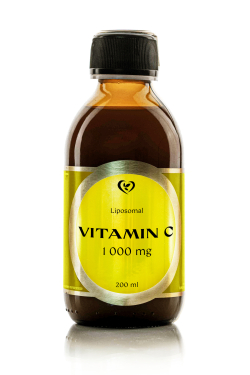
- Vitamin C contributes to normal collagen formation for the normal function of cartilage and bones, such as Liposomal Vitamin C 1000 mg.
- Herbal teas made from birch, stinging nettle, or horsetail help maintain adequate fluid intake. The DNA Herbal Tea blend contains white willow bark—consult your doctor if you are taking blood-thinning medications.
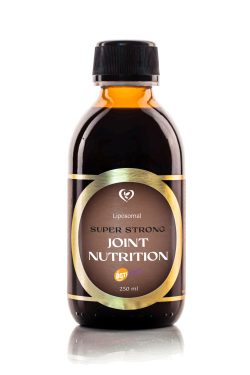
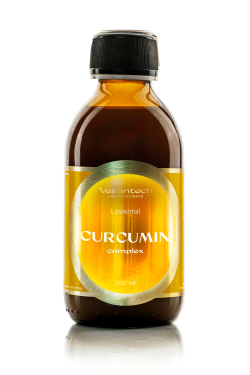
- Curcumin and Liposomal Joint Nutrition are supplements for joint care; they do not replace treatment for gout.
When to See a Doctor
- At the first onset of sudden joint pain and swelling.
- If your current treatment isn’t working or if the attacks recur.
- Seek urgent care if joint pain and swelling are accompanied by a high fever, chills, or nausea—this may indicate a joint infection (NHS).
An untreated attack usually lasts one to two weeks; subsequent attacks may last longer, and untreated gout can cause permanent joint damage.
Frequently Asked Questions About Gout
What herbs are used for gout?
No herb has an approved health claim for gout, and herbs are not a substitute for treatment. Herbal teas made from birch, stinging nettle, or horsetail can be part of a hydration regimen, which is important for gout.
What vitamins are recommended for gout?
No vitamin has an approved health claim regarding uric acid. Vitamin C contributes to normal collagen formation for the normal function of cartilage and bones—it is found, for example, in Liposomal Vitamin C 1000 mg.
What should you avoid eating if you have gout?
Limit alcohol (especially beer and hard liquor), sugary drinks, heavy meals, and large portions of meat, organ meats, and seafood. Low-fat dairy products, vegetables, and plenty of water are recommended.
How long does a gout attack last?
An untreated attack usually lasts one to two weeks. The sooner treatment begins, the faster the pain will subside.
What is a normal uric acid level?
According to EULAR, the target level for gout treatment is below 360 µmol/l (6 mg/dl); for more severe forms, it is below 300 µmol/l. This value is determined by a blood test.
Is gout hereditary?
Gout occurs more frequently in some families. However, weight, diet, alcohol, and other medical conditions also play a significant role.
Sources
- 2016 updated EULAR evidence-based recommendations for the management of gout (Annals of the Rheumatic Diseases, 2017): https://ard.bmj.com/content/76/1/29
- NHS – Gout: https://www.nhs.uk/conditions/gout/
- Commission Regulation (EU) No. 432/2012 – List of Authorized Health Claims: https://eur-lex.europa.eu/legal-content/EN/TXT/PDF/?uri=CELEX:32012R0432