Asthma is a chronic inflammatory disease of the airways. In asthma, the airways are sensitive and narrow when exposed to a trigger, leading to wheezing, shortness of breath, chest tightness, and coughing, often at night or early in the morning. Triggers can include allergens, such as pollen or dust mites, infections, physical exertion, cold air, smoke, or stress. Asthma cannot be cured, but with proper treatment, most people can live without limitations. The foundation of treatment is regular inhaled medication as prescribed by a doctor. If allergens are your triggers, see also the Allergy and Pollen Allergy categories.
Read more
How Asthma Manifests Itself
wheezing when exhaling,
shortness of breath and a feeling of tightness in the chest,
a dry, irritating cough, especially at night, in the morning, or after exertion,
symptoms that worsen with a cold or during pollen season.
Most common triggers
Allergens (pollen, dust mites, mold, animal dander), viral infections, cigarette smoke, air pollution, cold air, physical exertion, strong odors, and certain medications, such as acetylsalicylic acid. Knowing your own triggers helps prevent flare-ups.
Treatment and Daily Life
The international GINA initiative recommends treatment for adolescents and adults that includes an inhaled corticosteroid—which reduces inflammation in the bronchi. A reliever inhaler is not enough if you need to use it frequently. Proper inhalation technique, a written action plan from your doctor, and regular checkups are important.
Do not smoke and avoid smoky environments.
Stay active—with well-managed asthma, exercise is appropriate and beneficial.
Get a flu shot as recommended by your doctor.
If you have allergic asthma, limit your exposure to allergens.
How to Choose Supplements for Asthma
Dietary supplements do not treat asthma and are never a substitute for inhaled medication. As part of a varied diet, they can support immunity:
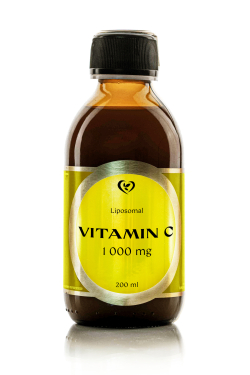
Vitamin C, vitamin D, and zinc contribute to the normal function of the immune system—these are combined in liposomal Vitamin C + Zinc + D3 + Se. Low vitamin D levels are common in people with asthma—have your levels checked.
Herbs — speedwell and the K23 herbal blend —are traditionally used to support the respiratory tract. We discuss thyme in the article “Thyme—An Herb for Healthy Breathing.” If you have a pollen allergy, check to make sure the blend does not contain plants from the Asteraceae family.
When to Seek Help
You need to use your reliever inhaler more than twice a week.
Asthma wakes you up at night or limits your ability to perform everyday activities.
Call 155 or 112 immediately if your reliever inhaler isn’t working, you can’t finish a sentence, your lips or nails are turning blue, or your shortness of breath is rapidly worsening.
Frequently Asked Questions About Asthma
Can asthma be cured?
No, but with proper treatment, it can be well controlled, and most people can live without limitations.
Can I play sports if I have asthma?
Yes. Exercise is appropriate if your asthma is well-managed. If physical exertion causes you difficulty, consult your doctor about adjusting your treatment.
Isasthma related to allergies?
Often, yes—allergic asthma is the most common form. However, asthma can also have other triggers. See the Allergy category for more information.
Do vitamins help with asthma?
Vitamins C and D, as well as zinc, contribute to the normal function of the immune system. However, they do not treat asthma and are not a substitute for inhaled medication.
Sources
Global Initiative for Asthma (GINA) – Global Strategy for Asthma Management and Prevention: https://ginasthma.org/reports/
European Respiratory Society – ERS/EAACI Guidelines: https://www.ersnet.org/guidelines/
Slovak Public Health Authority (ÚVZ SR) – Pollen Situation in Slovakia: https://www.uvzsr.sk/web/uvz/pelova-situacia-v-sr-za-aktualny-tyzden

 SK
 CZ