SK
 CZ
Foods High in Histamine
According to a 2025 review study, foods with higher histamine content include (IJMS 2025):
| Group | More histamine | May release histamine or inhibit DAO |
|---|---|---|
| Vegetables and fruits | tomatoes, spinach, eggplant, avocado, fermented vegetables | citrus fruits, pineapple, kiwi, papaya, bananas, strawberries |
| Meat and fish | smoked, dried, and fermented meats; mackerel and other fatty fish; canned fish | egg whites, cow’s milk, seafood |
| Beverages | Alcoholic beverages | coffee, tea, energy drinks |
| Other | Aged and smoked cheeses, fermented soy, yogurt, vinegar | chocolate, cocoa, peanuts, walnuts |
The histamine content in foods varies depending on freshness, processing, and storage. For fermented foods, it also depends on the quality of the raw ingredients and the bacteria used.
A Low-Histamine Diet, Step by Step
The study suggests four phases:
- Restriction (4 weeks) – you avoid foods high in histamine and keep a record of your meals and symptoms.
- First reintroduction (1–2 weeks) – Gradually try small portions of foods with higher histamine content.
- Second reintroduction (1–2 weeks) – if you tolerated the small portions, try larger ones.
- Long-term diet – you eat foods you can tolerate and gradually add those that may release histamine.
The goal is not to eliminate histamine permanently, but to determine how much you can tolerate. A strict diet over the long term can lead to nutrient deficiencies—ideally, work with a nutrition therapist.
What Else Affects DAO
- Alcohol inhibits DAO activity.
- Certain medications, such as metamizole or clavulanic acid, can block DAO. Do not stop taking any medication on your own; consult your doctor.
- Intestinal diseases and an impaired gut microbiome can reduce DAO production. Learn more in the “Poor Gut Microbiome” category.
How to Choose Supplements
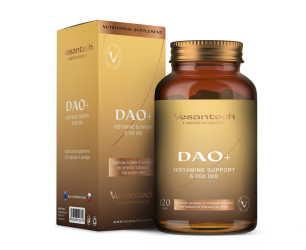
- The DAO enzyme is taken with meals because it acts in the gut and is not absorbed into the bloodstream. Clinical studies with DAO derived from pork kidneys have shown symptom relief, but the evidence is limited. Clinical data on plant-derived DAO are currently lacking (IJMS 2025). Vesantech DAO contains DAO from pea sprouts along with catalase. DAO does not have an approved health claim in the EU.
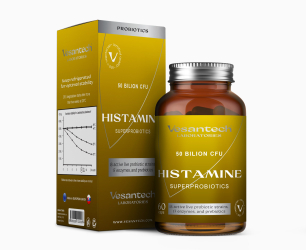
- Probiotics—some gut bacteria produce histamine, while others do not. If you take probiotics, choose products containing specific strains, such as Vesantech Histamine. They do not have an approved health claim.
Read more on this topic in the article “Histamine Intolerance—Causes, Symptoms, and Solutions with the Help of the DAO Enzyme.”
When to See a Doctor
- Before starting a diet—symptoms may also be caused by a food allergy, celiac disease, lactose intolerance, or inflammatory bowel disease.
- If you experience weight loss, blood in the stool, nighttime diarrhea, or a fever.
- Call 112 immediately if you experience swelling of the lips, tongue, or throat and difficulty breathing—this is an allergic reaction, not an intolerance.
Frequently Asked Questions About Histamine Intolerance
What foods contain histamine?
Aged and smoked cheeses, smoked and fermented meats, canned fish, fermented vegetables, vinegar, and alcoholic beverages contain the most histamine. Among vegetables, tomatoes, spinach, eggplant, and avocados are high in histamine.
What are the symptoms of histamine intolerance?
The most common symptoms are bloating, a feeling of fullness, diarrhea, and abdominal pain after eating. Headaches, dizziness, a stuffy nose, sneezing, itching, and skin redness may also occur.
Is histamine intolerance an allergy?
No. With an allergy, the immune system reacts to a specific protein. With intolerance, the body is unable to adequately break down histamine from food. However, an allergy should be ruled out by a doctor.
How is histamine intolerance diagnosed?
There is no reliable laboratory test. The doctor will first rule out other conditions and then recommend a low-histamine diet for several weeks, during which symptoms should be recorded and foods gradually reintroduced.
When should DAO be taken?
DAO acts in the intestines, so it should be taken with food. Follow the dosage instructions on the package.
What vitamins are recommended for histamine intolerance?
No vitamin has an approved health claim for histamine intolerance in the EU. During a long-term diet, ensure your diet is varied and contains all necessary nutrients—if in doubt, consult a nutrition therapist.
Sources
- Evidence for Dietary Management of Histamine Intolerance (International Journal of Molecular Sciences, 2025): https://pmc.ncbi.nlm.nih.gov/articles/PMC12470264/