SK
 CZ
Flu or a cold?
Flu | Common cold | |
|---|---|---|
| Onset | sudden, within hours | Gradual |
| Fever | often high, above 38 °C | Rare; more commonly a slight fever |
| Muscle and joint pain | severe | mild or none |
| Fatigue | severe, lasting even several weeks | mild |
| Runny nose and sneezing | Less common | typical |
The flu spreads very easily, and a person can spread it even before symptoms appear. If you’re sick, stay home, cough into your elbow, and wash your hands often.
Vaccination
Protective antibodies develop gradually over 10 to 14 days after vaccination. Therefore, the Slovak Public Health Authority (ÚVZ SR) recommends getting vaccinated in October or November, before the peak of the season. Vaccination is especially important for seniors, people with chronic illnesses, pregnant women, young children, and people with weakened immune systems (ÚVZ SR). It is also recommended by the European Centre for Disease Prevention and Control (ECDC).
What to Do When the Flu Strikes
- Rest and stay home until your fever subsides.
- Drink plenty of fluids—water, tea, and broth. Thyme, sage, or chamomile are traditionally used to make warm beverages.
- For fever and pain, use medications recommended by your doctor or pharmacist.
- For a cough, you’ll find additional products in the Cough category.
How to Choose Supplements for Flu Season
Vitamins are not a substitute for vaccination and will not prevent the flu. However, they help ensure that the immune system has the nutrients it needs during the season:
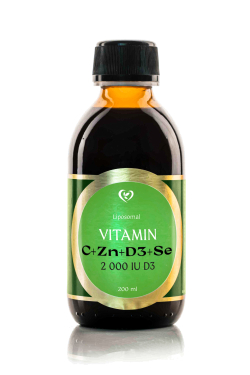
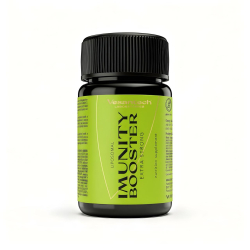
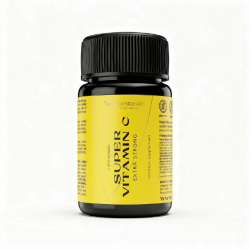
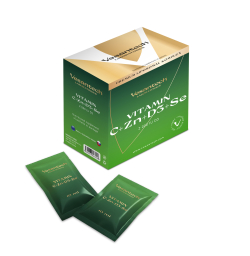
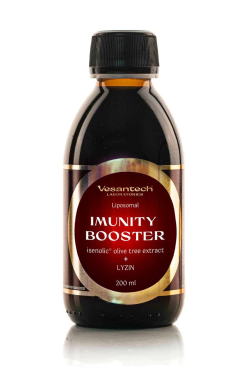
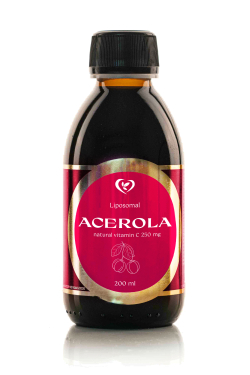
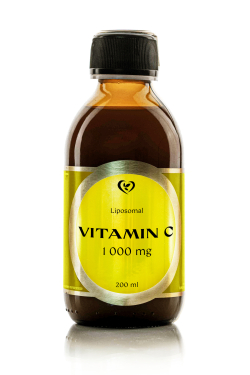
- Vitamin C, vitamin D, zinc, and selenium contribute to the normal function of the immune system. Liposomal Vitamin C + Zinc + D3 + Se contains all of them. Immunity Booster adds olive leaf extract and lysine to the mix. If you’re looking for just vitamin C, you can choose between liposomal vitamin C 1000 mg or natural vitamin C from acerola.
- The skin produces almost no vitamin D in the winter, so it makes sense to pay special attention to it from fall through spring. Liposomal Vitamin D3 + K2 contains it on its own.
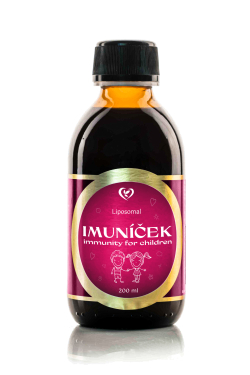
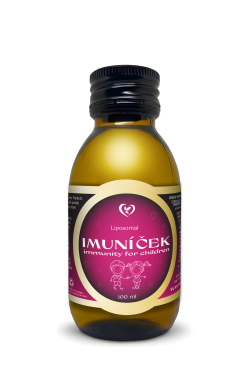
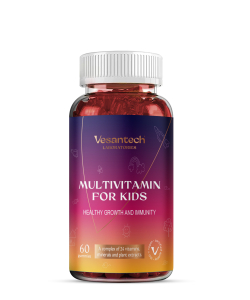
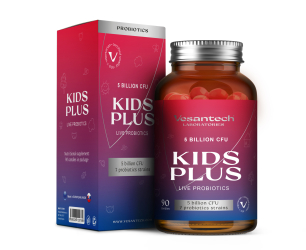
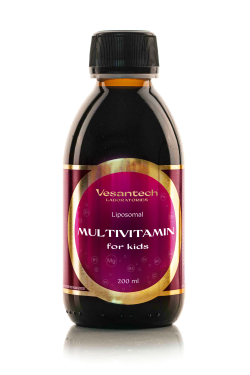
- For children, products with a lower dose and child-friendly dosing are recommended, such as Imuníček or the liposomal multivitamin for children.
For more fall tips, see the article “Immune System Issues in the Fall.”
When to See a Doctor
- A fever above 39 °C lasts more than three days or returns after improving.
- You have shortness of breath, chest pain, or a cough with blood-tinged mucus.
- You are confused, very sleepy, or unable to drink.
- You belong to a high-risk group—such as seniors, people with chronic illnesses, or pregnant women—or if the patient is a young child.
Frequently Asked Questions About the Flu
What vitamins should you take for the flu?
During flu season, it’s a good idea to make sure you’re getting enough vitamin C, vitamin D, zinc, and selenium—all of which contribute to the normal function of the immune system. For example, liposomal Vitamin C + Zinc + D3 + Se contains all of these. However, vitamins won’t cure the flu—when you’re sick, rest and fluids are essential, and if complications arise, see a doctor.
Are there products to prevent the flu?
The most effective protection against the flu is vaccination. Dietary supplements won’t prevent the flu, but they can be part of a healthy lifestyle along with sleep, exercise, and a varied diet.
When should you get a flu shot?
Ideally in October or November. Protection develops over 10 to 14 days, so it’s best to get vaccinated before the peak of the season.
How long does the flu last?
The fever usually subsides within three to five days, but fatigue and a cough can persist for up to two weeks.
Can I go to work if I have the flu?
No. The flu is highly contagious and spreads in the workplace. Stay home until your fever subsides and you feel better.
Sources
- ÚVZ SR – Flu season is approaching: https://www.uvzsr.sk/web/uvz/uvz-sr-blizi-sa-sezona-chripky
- ECDC – Seasonal influenza: https://www.ecdc.europa.eu/en/seasonal-influenza
- European Commission – EU Register of Health Claims: https://food.ec.europa.eu/food-safety/labelling-and-nutrition/nutrition-and-health-claims/eu-register-health-claims_en