Arthritis is inflammation of one or more joints. It manifests as pain, swelling, warmth, redness, and stiffness, especially in the morning. It is not a single disease—it includes rheumatoid arthritis, gout, psoriatic arthritis, and infectious joint inflammation. Unlike osteoarthritis, which is associated with cartilage wear and tear, inflammation is the primary feature of arthritis. For inflammatory types, early diagnosis by a rheumatologist is crucial, as modern treatment can prevent permanent joint damage. You can find an overview of other topics in the Joints and Bones category.
Read more
The Most Common Types of Arthritis
Rheumatoid arthritis—an autoimmune disease that typically affects the small joints of the hands and feet symmetrically and is accompanied by morning stiffness lasting longer than 30 minutes. Learn more in the Rheumatism category and in the article on Rheumatism.
Gout—a sudden, very painful inflammation, often in the big toe, caused by uric acid crystals. See the Gout category.
Psoriatic arthritis – affects some people with psoriasis.
Reactive and infectious arthritis—occurs after an infection or as a result of a direct infection of the joint. Infectious joint inflammation accompanied by fever is an acute condition.
How is arthritis treated?
According to the recommendations of the European League Against Rheumatism (EULAR), the goal in rheumatoid arthritis is to achieve remission of inflammation as soon as possible. Disease-modifying medications (such as methotrexate) are used, and biologic therapy is employed if the response is insufficient. Exercise, physical therapy, maintaining a healthy weight, and not smoking are important parts of treatment. For gout, limiting alcohol, sugary drinks, and large portions of meat can help.
How to Choose Supplements for Arthritis
Dietary supplements are not a substitute for treatment by a rheumatologist, and you should always consult your doctor before taking them if you are on immunosuppressants or blood thinners. As part of a varied diet, they can include:
Omega-3 (EPA and DHA)—a daily intake of 250 mg contributes to normal heart function, which is beneficial in cases of inflammatory joint diseases associated with an increased cardiovascular risk. Source: EXTRA krill oil.
Vitamin D helps maintain normal bone health and supports normal muscle and immune system function. Vitamin K helps maintain normal bone health. Both are combined in liposomal vitamin D3+K2.
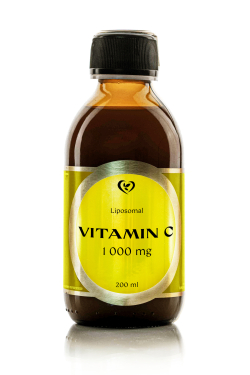
Vitamin C contributes to normal collagen formation for the normal function of cartilage and bones— liposomal vitamin C 1000 mg.
Joint swelling and pain last longer than a few weeks.
Morning stiffness lasts longer than 30 minutes.
Multiple joints are affected at once, especially in the hands.
A joint suddenly becomes hot, red, and very painful, or a fever develops—seek medical help that same day.
Frequently Asked Questions About Arthritis
What is the difference between arthritis and osteoarthritis?
Arthritis is inflammation of a joint; osteoarthritis is the gradual wear and tear of cartilage. They are treated differently. You can find more about osteoarthritis in the Osteoarthritis category.
What vitamins are recommended for arthritis?
Vitamins D and K help maintain healthy bones, and vitamin C supports collagen production for normal cartilage function. People with rheumatoid arthritis often have low vitamin D levels—be sure to get yours checked.
Does diet help with arthritis?
A Mediterranean-style diet rich in vegetables, fish, and olive oil is beneficial for overall health, and for gout, dietary adjustments are an important part of treatment. However, it is not a substitute for treatment of inflammatory arthritis.
Is arthritis only a disease of older people?
No. Rheumatoid arthritis often begins between the ages of 30 and 50, and there are also forms that affect children.
Sources
EULAR recommendations for the management of rheumatoid arthritis: 2022 update: https://ard.bmj.com/content/82/1/3
European Commission – EU Register of Health Claims: https://food.ec.europa.eu/food-safety/labelling-and-nutrition/nutrition-and-health-claims/eu-register-health-claims_en

 SK
 CZ