SK
 CZ
How Lyme disease is transmitted
Lyme disease is caused by bacteria of the Borrelia burgdorferi complex and is transmitted by infected ticks, particularly nymphs and adult females. According to the European Centre for Disease Prevention and Control (ECDC), a tick usually does not transmit the bacteria in the first few hours after attaching—the risk increases the longer it feeds on blood (ECDC). Therefore, it is important to find and remove the tick as soon as possible. There is currently no vaccine available against Lyme disease. The vaccination recommended in Slovakia protects against tick-borne encephalitis—another disease transmitted by ticks.
Symptoms You Should Not Underestimate
- Erythema migrans—a red patch at the bite site that appears 3 to 30 days after the bite and gradually spreads. It usually does not hurt or itch. According to the ECDC, it appears in most infected individuals (ECDC).
- Fatigue, fever, and flu-like headaches, muscle aches, and joint pain.
- Later, joint pain and swelling, facial nerve paralysis, or other neurological problems may develop.
The bite mark from a tick does not need to be confirmed by a test—a doctor can make the diagnosis based on its appearance. Take a photo of the bite mark in case it changes later. You can read more about the symptoms and progression of the disease in the articles “Could It Be Lyme Disease?” and “Lyme Disease—Do You Know Its Symptoms and Consequences?”
How to Protect Yourself from Ticks
- When outdoors, wear light-colored clothing with long sleeves and tuck your pants into your socks.
- Use a tick repellent.
- When you return home, check yourself—especially the backs of your knees, groin, armpits, behind your ears, and your scalp. Check your children and pets as well.
- Remove the tick with tweezers or a hook as close to the skin as possible, using a smooth, steady pull. Do not apply oil or ointment to the tick.
- Monitor the bite site for several weeks.
How to Choose Supplements During and After Treatment
Treatment for Lyme disease is managed by a doctor, and dietary supplements are not a substitute for it. However, during treatment and recovery, it’s important to maintain a varied diet, get enough sleep, and ensure adequate intake of nutrients that support the immune system:
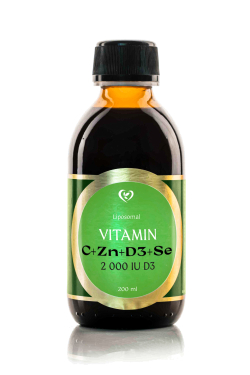
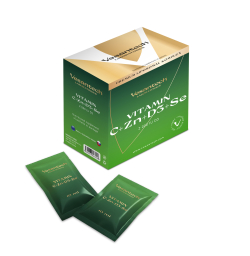
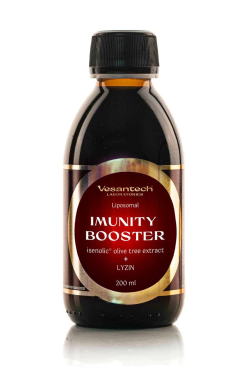
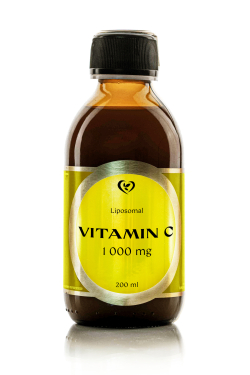
- Vitamin C, zinc, vitamin D, and selenium. These contribute to the normal function of the immune system. They are all contained in Liposomal Vitamin C + Zinc + D3 + Se or Immunity Booster, which also includes olive leaf extract. You can find additional products in the Immunity category.
- B vitamins. They help reduce exhaustion and fatigue and support normal nervous system function—for example, Mega B-Complex Forte.
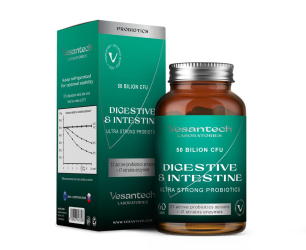
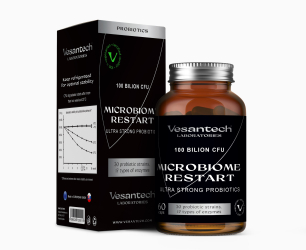
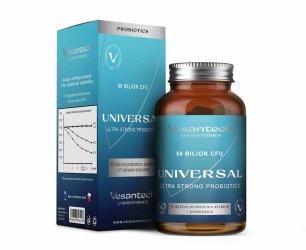
- Probiotics. Antibiotics also affect the gut microbiota. Many people therefore turn to probiotics during and after treatment, such as Vesantech Universal or Microbiome Restart. Take them several hours apart from your antibiotics. Learn more in the Probiotics category.
If you are taking antibiotics or other medications, consult your doctor or pharmacist before taking any herbal tinctures or supplements.
When to See a Doctor
- After a tick bite, a red spot appears that grows larger.
- Within a few weeks of the bite, you develop a fever, fatigue, and muscle or joint pain.
- You may experience facial paralysis, severe headaches, tingling, or joint pain with no apparent cause.
- If the tick was not removed completely or the bite site becomes inflamed.
Frequently Asked Questions About Lyme Disease
Is there a new treatment for Lyme disease?
Antibiotics prescribed by a doctor remain the mainstay of treatment for Lyme disease. According to the ECDC, most cases can be successfully treated with a few weeks of antibiotic therapy (ECDC). Dietary supplements and herbal products are not medicines and do not replace treatment.
Does zinc help with Lyme disease?
Zinc does not treat Lyme disease. However, it contributes to the normal function of the immune system, just like vitamin C, vitamin D, and selenium. Liposomal Vitamin C + Zinc + D3 + Se contains all of these together.
How long after a tick bite does the rash appear?
Erythema migrans usually appears 3 to 30 days after a tick bite. If a rash appears during this period and continues to grow, see a doctor.
Is there a vaccine against Lyme disease?
Not yet. A vaccine against tick-borne encephalitis is available in Slovakia, but it does not protect against Lyme disease.
Can I take probiotics along with antibiotics?
Many people do, but always several hours apart from taking the antibiotic. Consult your doctor or pharmacist about whether this is appropriate.
Do I need to see a doctor if I removed the tick myself?
If the tick was removed whole and the site remains pain-free, simply monitor it for a few weeks. If a growing rash, fever, or joint pain develops, see a doctor.
Sources
- ECDC – Factsheet on Lyme disease: https://www.ecdc.europa.eu/en/borreliosis/facts/factsheet
- TASR / ÚVZ SR – 3,127 cases of Lyme disease have been reported this year (September 26, 2025): https://www.teraz.sk/slovensko/nebezpecne-klieste-tento-rok-eviduj/908987-clanok.html
- ÚVZ SR – Analysis of the epidemiological situation, December 2024: https://www.uvzsr.sk/documents/d/uvz/masr_122024
- European Commission – EU Register of Health Claims: https://food.ec.europa.eu/food-safety/labelling-and-nutrition/nutrition-and-health-claims/eu-register-health-claims_en