SK
 CZ
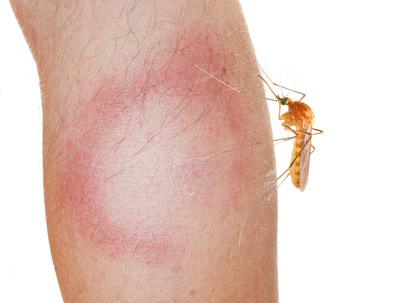
Looking back at its history, Lyme disease was not identified as a distinct disease until 1975. Its causative agent, the bacterium Borrelia, was subsequently discovered several years later, in 1981, by Willi Burgdorfer.
In the microbial world, Borrelia is considered a truly unique bacterium. Its characteristics are highly unusual compared to other bacteria.
It can change incredibly quickly, even altering its surface structure. It can adapt, hide, and communicate with other Borrelia bacteria to evade antibiotics, other medications, and the immune system itself.
This is why it is often so difficult to identify.
Since Borrelia have a primitive metabolism, they must parasitize their hosts; thus, even though they are bacteria, they behave like typical parasites. To combat them, we must realize that they are completely different from other bacteria.
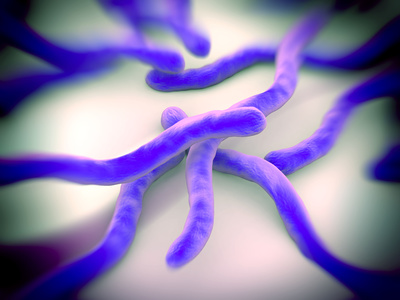
Borrelia can alter the structure of their genome, which is why they can infect organisms as diverse as ticks and humans. Once they enter the bloodstream, they specifically adapt the structure of their genes depending on the type of animal involved. According to the latest findings, once they identify the animal species, they are highly likely to integrate into its genome.
Identifying the host then tells them how to evade the immune system and allows them to live in the environment of warm-blooded animals with varying pH levels.
Since they cannot produce all the nutrients they need, they obtain them from their host’s tissues—primarily from tissues containing collagen. The organs most at risk from Lyme disease are the skin, brain, spinal cord, nerves, heart, and eyes.
Diagnosing Lyme disease is indeed difficult and cannot be based solely on precise data from laboratory tests. Currently, indirect methods (ELISA, Western blot) are predominantly used for diagnosis, as direct methods are very expensive. Unfortunately, often only the ELISA test is performed.
Lyme disease testing using the ELISA method yields a large number of both false-negative and false-positive results and should therefore not be used as the sole method for establishing or ruling out a diagnosis.
If a patient has multiple symptoms caused by this disease, they should also be tested using the Western blot method. However, some manifestations of Lyme disease cannot be confirmed by any such indirect laboratory method; therefore, even after a negative Western blot result and the presence of positive symptoms, Lyme disease cannot be ruled out.
One of the goals of this article is precisely to ensure that diagnosis and treatment are not underestimated, because in my practice I encounter many people who have been prescribed the wrong treatment due to an incorrect diagnosis. In most cases, those affected were not treated for Lyme disease at all, and many of them were referred to psychiatry after a series of negative test results.
To fully understand the mechanism of infection, it is important to realize that when a tick bites, highly bioactive substances—most commonly from the tick’s saliva—are released into the host’s bloodstream. These substances interact with our immune system, slowing its response to the infection and allowing Borrelia bacteria to spread rapidly throughout the body.
I described a natural treatment for Lyme disease in my article “Get Rid of Lyme Disease for Good: Treating Lyme Disease with Natural Remedies,” so today we’ll focus on comprehensively supporting the body’s immune system—one of the most important factors in both identifying and defeating Lyme disease.
The risk of infection in an affected individual therefore depends primarily on their immune response. In the event of infection, in addition to conventional or natural treatment, it is necessary to strengthen the immune system, for which we can use certain specific medicinal plants.
Borrelia bacteria cannot easily multiply in a host with an active and strong immune system; therefore, it is absolutely essential to keep the immune system as active as possible, and it is advisable to support it.
Since most of the population has a weakened immune system, supporting the immune system during treatment is currently essential and extremely important.
Furthermore, antibiotic treatment disrupts the gut microbiota in the large intestine, leading to a further weakening of immunity. Therefore, it is essential to always support a probiotic environment in the gut. In terms of diet, I recommend regularly incorporating bryndza and žinčica into your meal plan. Currently, when taking strong antibiotics, these specific probiotics are particularly important.
However, not all probiotics are created equal. We recommend American probiotics from Garden of Life, which contain up to 16 strains and 50 billion CFU in a single dose. They are specifically formulated as probiotics for men and probiotics for women.
A healthy digestive tract and healthy intestines are truly the foundation for a strong immune system. The large intestine is the foundation of immunity and the entire complex system. We can also support it with an aqueous solution made from the Chaga mushroom— Chaga concentrate. Personally, I consider the Chaga mushroom a miracle of nature for the intestines, the digestive tract, and the entire digestive system. I recommend mixing at least one teaspoon of the solution with 2 deciliters of water twice a day (morning and evening) and drinking it on an empty stomach.
As for herbs, you can add Fit Colon tincture or the special Kalísia-Eleutherococcus tincture, which will help significantly boost your immunity.
Learn to incorporate plenty of fiber and natural probiotics into your diet. A well-blended drink made from grass juices with probiotics will significantly help your immune system. Personally, I recommend Perfect Food RAW Organic Powder from the American company Garden of Life, which is a truly well-balanced blend of 34 natural ingredients.
In the morning, I recommend fruit smoothies, which contain enough fiber to cleanse the intestinal tract and are rich in vitamins, especially vitamin C. Use pineapple as the base for your smoothie—it’s high in fiber—and feel free to add an apple, a pear, or even a banana. You can boost the vitamin C content with acerola juice, which is a natural “vitamin C powerhouse.” For more information on treating Lyme disease, I recommend my latest article , “Lyme Disease: Do You Know Its Symptoms and Consequences?” In it , I focus on the beneficial effects of certain herbs.
If you boost your immunity, not only will you be able to fight Lyme disease more effectively, but you’ll also make it easier to detect. Test results depend directly on the state of your immune system, and it often happens that you have Lyme disease but the tests fail to detect it.
I believe that today’s article will contribute to better identification of Lyme disease and support for its natural treatment.
Pavol Machnič, Zdravysvet.sk