SK
 CZ

Why Crash Diets Don’t Work and Which Approach Pays Off in the Long Run
Almost everyone who has ever tried to lose weight knows the tempting allure of quick results. Seven-day detoxes, single-food diets, or completely cutting out entire food groups promise miracles in just a few weeks. The reality, however, is often different—the body quickly enters an extreme calorie deficit, leading to fatigue, irritability, and irresistible cravings for sweets, and the classic scenario ends with overeating and regaining the weight. Often with interest.
Long-term success in weight loss doesn’t depend on how quickly a few numbers disappear from the scale, but on whether you can maintain the changes a year, two years, or even five years from now. A slower pace (half a kilogram to one kilogram per week) is clearly more beneficial in terms of health, preserving muscle mass, and mental well-being than aggressive starvation diets.
Tip: Set realistic expectations. The lifestyle changes you make today should be ones you’ll be able to stick with a year from now—otherwise, the weight will come back.
Even while losing weight, your diet must be nutritious
While a calorie deficit is the foundation of weight loss, that doesn’t mean your body should receive fewer nutrients. On the contrary—when eating smaller portions, it’s even more important that every bite “counts.” Eliminating entire food groups (grains, dairy products, fruit) usually leads to a deficiency in vitamins, minerals, and trace elements that are necessary for a healthy metabolism.
A well-balanced weight-loss meal plan should include:
- protein in every main meal (meat, fish, eggs, dairy products, legumes, tofu),
- complex carbohydrates with a higher fiber content (oatmeal, buckwheat, quinoa, whole-grain rice varieties, legumes),
- healthy fats (olive oil, nuts, seeds, avocado, fish),
- plenty of vegetables and a moderate amount of fruit,
- and, as part of a modern diet, functional supplements that provide often-missing micronutrients—you can find them, for example, in the functional nutrition category.

The Liver—The Unsung Hero of Every Successful Weight Loss Journey
What is often overlooked when losing weight is the role of the liver. It is the liver that processes fats, hormones, and toxic metabolic waste. When it is overburdened (by a sedentary job, refined foods, alcohol, medications, or stress), metabolism slows down and the body stores fat rather than burning it.
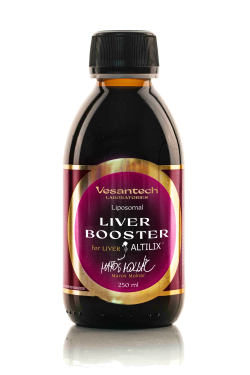
That’s why, when trying to lose weight, it makes sense to also focus on supporting the liver and gentle detoxification. One option is the liposomal Liver Booster with the patented ALTILIX™ extract from artichoke, milk thistle, curcumin, and glutathione. Clinical trials have confirmed the positive effect of ALTILIX™ on liver function and in combating fatty liver.
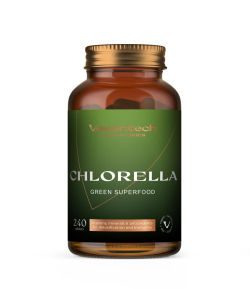
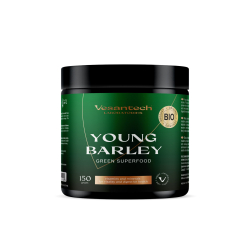
If you also want to help your body eliminate toxins and heavy metals, Vesantech Organic Chlorella or green barley are good options.
10 Steps to Simplify Your Journey to a Healthier Weight
1. Plan your meals in advance
The most common reason people “fall off” their diet isn’t a lack of willpower, but a lack of preparation. Hunger is faster than you and your good intentions—and in that situation, you’ll reach for whatever’s handy. Therefore:
- Create a weekly meal plan and use it to make a shopping list.
- Set aside one or two days a week for meal prep.
- Always keep some quick snacks on hand at home—kefir, plain yogurt, skyr, cottage cheese, hard-boiled eggs, a handful of nuts, rolled oats, whole-grain bread.
- Pack a healthy snack in your bag so hunger doesn’t catch you off guard.
Quick tip: Fermented overnight oats prepared in the evening are ready in the morning—just add some fruit and a handful of nuts.
2. Adjust Your Home Environment
Willpower is a finite resource. If you spend every day deciding twenty times whether to open that package of cookies, sooner or later you’ll give in. The solution is simple: if I don’t have it at home, I won’t eat it.
- Identify your weaknesses (chocolate, salty snacks, sugary drinks).
- Cutting them out of your regular shopping list isn’t a sacrifice—it’s protection.
- On the contrary, keep fruit, nuts, and a bottle of water in plain sight.
3. Consistency Over Restriction
Skipping lunch or dinner in the hope of saving calories usually ends up with a double portion in the evening plus a “reward” in the form of sweets. The optimal approach is 3 to 5 meals a day with similar caloric content, so your body doesn’t get the signal that it should go hungry.
For people with insulin resistance or prediabetes, berberine —a clinically used substance that contributes to healthy glucose and fat metabolism—can also support the natural stabilization of blood sugar levels.
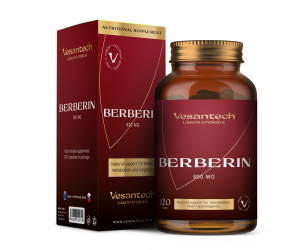
The most potent berberine on the market, a natural support for metabolism, heart health...
4. Focus on Filling Foods—Fiber and Protein
When in a calorie deficit, it’s crucial that you don’t feel constantly hungry. Two things help ensure this:
Fiber slows stomach emptying, stabilizes blood sugar levels, and improves digestion. Your daily intake should be around 25–30 g. The richest sources are legumes, whole grains, vegetables, fruits, nuts, and seeds. If you can’t get enough of them from your regular diet, supplements are a great help:
- Psyllium 150 g —pure soluble fiber from Indian psyllium, ideal for regular digestion.
- Psyllium Plus 150 g – a combination of psyllium, probiotics, omega-3, and inulin.
- Psyllium SLIM 150g – psyllium combined with chitosan, which can bind some of the fats from the food you eat and is used for weight loss.
You can find more options in the Fiber category.
Of all the macronutrients,protein has the highest satiating power. The recommended intake is 1.2–2 g per kilogram of body weight during weight loss, depending on age and activity level. Sources:
- animal-based— poultry, fish, eggs, white meat, yogurt, skyr, cottage cheese,
- plant-based —lentils, beans, chickpeas, tofu, tempeh.
5. Drink plenty of fluids
The feeling of hunger is often confused with thirst. The optimal fluid intake varies from person to person, but as a general guideline, aim for 30–45 ml of fluids per kilogram of body weight per day. For a 70-kg person, this is approximately 2.1–3.1 liters.
- The foundation should be plain water and unsweetened tea.
- Sweetened and alcoholic beverages are typical “liquid calories”—it’s extremely difficult to lose weight while consuming them.
- A glass of water before a meal naturally reduces the portion you eat.
6. Discover new flavors and recipes
The quickest way to derail your diet is boredom on your plate. If you eat chicken with rice and broccoli for three weeks, frustration is sure to set in. Try:
- pseudo-grains— quinoa, buckwheat, amaranth
- legume-based pasta
- new spices and herbs (turmeric, caraway, cilantro, smoked paprika)
- roasted vegetables instead of boiled ones
- homemade versions of your favorite treats (protein pancakes, banana-oat cookies, baked zucchini sticks).
7. Forget about perfection; stick to the 80/20 rule
“All-or-nothing” diets almost always end in failure. Just one square of chocolate is enough to trigger the thought, “It’s ruined anyway, so I might as well eat the rest.” The 80/20 rule says that 80% of your diet should consist of nutritious, high-quality foods, and within that 20%, you can happily treat yourself to pizza, chocolate, or dessert.
This approach is sustainable in the long run and protects you from overeating, because you aren’t completely depriving yourself of anything.
8. Get Quality Sleep
Sleep is often the most underestimated factor in weight loss. When you don’t get enough sleep, levels of the hunger hormone ghrelin rise, levels of the satiety hormone leptin fall, and cortisol increases—resulting in greater hunger, cravings for sweets, and poorer recovery. Your goal should be 7–9 hours of quality sleep every night.
In cases of poor sleep, stress, and fatigue, a high-quality B-complex supplement in liposomal form can also help, as it supports nervous system function and energy metabolism.
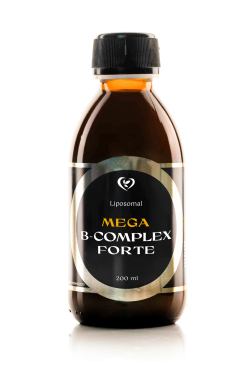
Liposomal Vitamin B Complex Forte with High Bioavailability

For natural support of falling asleep, deep sleep, and recovery during sleep.

Bioactive ashwagandha with the highest percentage of withanoids on the market
9. Don’t weigh yourself every day
Your weight fluctuates naturally—depending on how much salt you’ve eaten, where you are in your menstrual cycle, how much water is in your muscles after a workout, or how well you slept. Stepping on the scale every day is therefore a motivational trap for most people.
- Weigh yourself no more than once a week, ideally in the morning on an empty stomach, on the same day each week.
- Also track your waist, hip, and thigh measurements —when you combine diet and exercise, your body composition may change before the number on the scale does.
- Take a photo of yourself in your underwear from the same angle once every few weeks.
10. Look for allies, not critics
Losing weight is easier when you’re not doing it alone. Try to find a friend, coworker, or partner with whom you can share meal plans, motivate each other, or go for walks. If the people around you are discouraging you from losing weight, bring up the topic—often, it’s enough to explain why you’re doing it and what you need from them.
How to Support Your Body with Natural Supplements
Dietary supplements can never replace a healthy diet, exercise, and sleep—but they can help fill in the gaps in your body’s needs. When it comes to weight loss, three groups are particularly helpful:
1. Metabolism and fat-burning support
• Liposomal FIT SLIM 200 ml —contains MOROSIL™ (an extract from Moro red oranges, recognized in the U.S. as the 2023 Ingredient of the Year for weight management), L-carnitine, and choline bitartrate to support fat metabolism.
• Berberine 800 mg (98% HCl) – natural support for blood sugar levels, lipid profile, and fat metabolism.
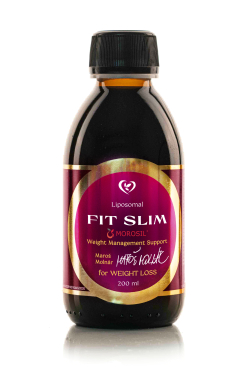
Liposomal FIT SLIM is a revolutionary product in the field of weight loss and overall...
2. Detoxification and Liver Support
• Liver Booster – a comprehensive liposomal formula with ALTILIX™, milk thistle, curcumin, and selenium.
• Vesantech Organic Chlorella and Young Green Barley – green superfoods rich in chlorophyll that help the body eliminate toxins.
3. Fiber, Digestion, and Satiety
• Psyllium, Psyllium Plus, and Psyllium SLIM with chitosan.
• Other products from the Fiber category.
Recommended combination to start: Liver Booster (2–3 weeks to support liver function) + FIT SLIM (daily during weight loss) + psyllium in the morning or before meals (for satiety and regular digestion). You can find a clear overview of the detox and weight loss category here: Liposomal Solutions for Detox and Weight Loss.
Summary
Weight loss isn’t about detoxes, starvation, or miracle pills. It’s about what you do 80% of the time: how you eat, how you sleep, how much you drink, how you exercise, and how you organize your day. A slow and gradual approach always beats a crash diet—because only an approach that becomes part of your lifestyle will lead to long-term weight maintenance.
If you also give your body the support it needs in the form of high-quality fiber, gentle liver detoxification, and supplements to support fat metabolism, the journey to your dream figure will be much more enjoyable—and, above all, more sustainable.
The best time to start was a year ago. The second-best time is today.
Author: Martin Kolčák, zdravysvet.sk