SK
 CZ
What Really Helps Your Immune System
- Sleep. Regular and sufficient sleep is essential. You can find tips in the Sleep category.
- Exercise in the fresh air, ideally every day.
- A varied diet including vegetables, fruits, legumes, fish, nuts, and fermented foods.
- Less stress. Long-term stress affects the entire body—more on this in the Stress category.
- Don’t smoke and limit alcohol.
- Get vaccinated against the flu and other illnesses as recommended by your doctor.
For more tips , see the article “5 Daily Habits That Will Improve Your Digestion and Immunity” and the seasonal article “Immune System Problems in the Fall.”
Vitamins and Minerals for Immunity
The following nutrients have the approved claim “contributes to the normal function of the immune system” in the EU (EU Register of Health Claims):
| Nutrient | Where to Find It in Your Diet | Example of a product |
|---|---|---|
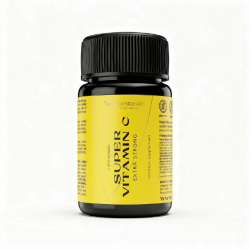
| Vitamin C | bell peppers, rose hips, sea buckthorn, citrus fruits, broccoli | |
| Vitamin D | fatty fish, eggs; produced in the skin when exposed to sunlight | |
| Zinc | meat, cheese, legumes, pumpkin seeds | |
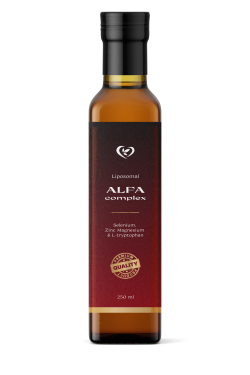
| Selenium | Brazil nuts, fish, eggs | |
| Vitamin A | carrots, pumpkin, eggs, dairy products | |
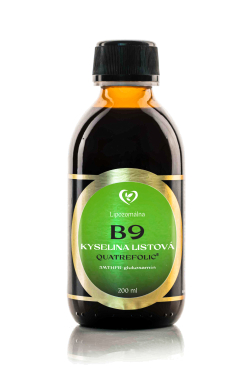
| Vitamins B6, B12, folate | meat, eggs, legumes, leafy greens | |
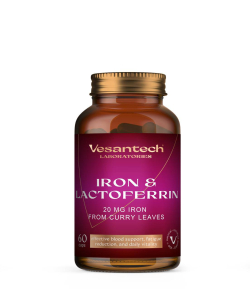
| Iron | Meat, legumes, leafy greens |
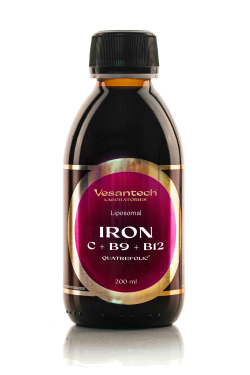
Vitamin C also enhances iron absorption. Take iron supplements only if you have a confirmed deficiency—see the Anemia category for more information.
Vitamin D in the Fall and Winter
From October through March, the sun in Slovakia does not rise high enough for the skin to produce sufficient vitamin D. Therefore, during this period, it is recommended to ensure adequate intake through diet or supplements. Vitamin D contributes to the normal function of the immune system and to the maintenance of normal bone health. If you’re taking higher doses over the long term, have your levels checked with a blood test. You can find liposomal forms in the Liposomal Vitamins category.
Immunity in Children
Children who start preschool tend to get sick more often—their immune systems are learning to respond to new viruses and bacteria. Most childhood colds and coughs are a normal part of the immune system’s development. Sleep, outdoor activity, and a varied diet are important. Choose products designed for your child’s age:
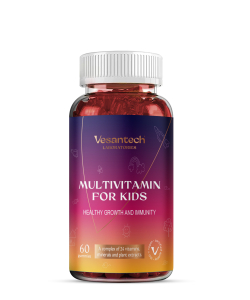
- Vesantech Multivitamin for Kids Gummies —vitamins D3, C, A, and more,
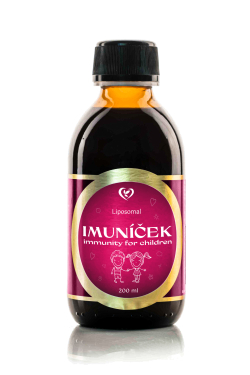
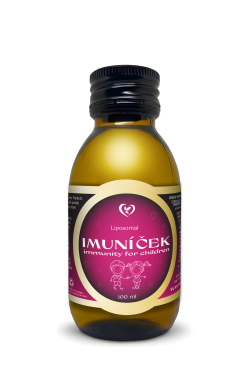
- Liposomal Imuníček – vitamin C from acerola, zinc, and D3, for children ages 3 and up,
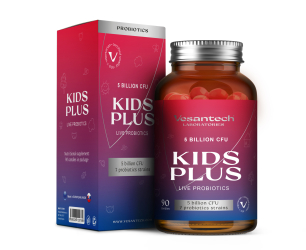
- Vesantech KIDS PLUS – probiotics in the form of fruit-flavored gummies.
Find more in the “For Kids ” category and in the article “Probiotics for Kids—Why Today’s Kids Get Sick More Often.”
Probiotics and Immunity
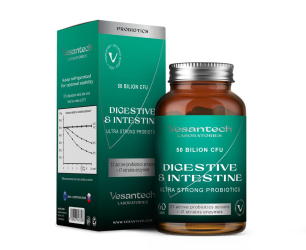
The relationship between gut microbiota and immunity is being intensively studied. However, probiotics do not yet have approved health claims regarding immunity in the EU. If you take them, choose products that list specific strains and CFU counts, such as Vesantech Universal. Learn more in the “Probiotics” category and in the article “Myths and Facts About Probiotics.”
When to See a Doctor
- If you get sick very often, your illnesses last an unusually long time, or it takes you a long time to recover from them.
- If you have recurrent bronchitis, sinus infections, or urinary tract infections.
- If you have a high fever that won’t go away or shortness of breath.
- If you’re losing weight for no apparent reason or feel chronically exhausted.
Frequently Asked Questions About Immunity
Which vitamins support immunity?
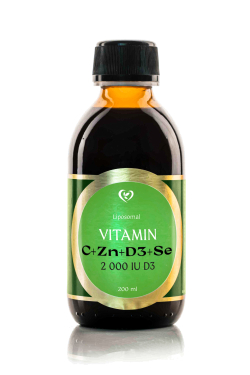
In the EU, vitamins C, D, A, B6, B12, and folate, as well as the minerals zinc, selenium, iron, and copper, have approved health claims for supporting normal immune system function. Vitamin C, D3, and zinc are most commonly combined, for example in Liposomal Vitamin C + Zinc + D3 + Se.
How can you boost your immunity?
The best ways to support immunity are getting regular sleep, exercising, eating a varied diet, reducing stress, and not smoking. Vitamins and minerals help supplement your diet when nutrients are lacking—especially vitamin D in the fall and winter. Read more in the article “How to Boost Immunity in Winter.”
What vitamins support immunity in children?
Give children only products intended for their age group, such as Multivitamin for Kids Gummies with vitamins D3, C, and A, or Liposomal Imuníček for children 3 years and older. Consult your pediatrician about dosages, especially for vitamin D.
Do Probiotics Help Boost Immunity?
The relationship between gut microbiota and immunity is being intensively studied, but probiotics do not have approved claims regarding immunity in the EU. They can be part of a regimen to support digestion and gut microbiota.
When should you start taking vitamin D?
In Slovakia, it’s a good idea to focus on vitamin D especially from October through March, when the skin cannot produce enough of it from the sun. If you’re taking higher doses over the long term, have your levels checked.
How much vitamin C per day?
The recommended daily intake for adults is 80 mg. A varied diet rich in vegetables and fruits typically meets this requirement. Supplements with higher doses are used mainly during periods of increased physical or mental stress.
Sources
- Regulation (EU) No. 1169/2011 – Reference Intakes for Vitamins and Minerals (Annex XIII): https://eur-lex.europa.eu/legal-content/SK/TXT/?uri=CELEX:32011R1169
- Slovak Public Health Authority (ÚVZ SR) – Flu season is approaching: https://www.uvzsr.sk/web/uvz/uvz-sr-blizi-sa-sezona-chripky