SK
 CZ
The Most Common Types of Allergies
- Pollen allergy (hay fever) —seasonal sneezing, runny nose, itchy eyes. Learn more in the Pollen Allergy category.
- Allergies to dust mites and animal dander— symptoms often last year-round, especially at home and at night.
- Food allergy – a reaction to a specific food, such as peanuts, tree nuts, milk, eggs, or fish. This should be distinguished from intolerance – see the Histamine and Intolerances category.
- Skin allergic reactions —contact dermatitis, hives, itchy rashes. See the Skin Allergies category for more information.
- Allergies to medications or insect stings —these can also occur very suddenly.
How Allergies Are Diagnosed
An allergist bases the diagnosis on symptoms, their timing, and test results—skin prick tests or blood tests for specific IgE antibodies. When it comes to food, it is not advisable to eliminate large groups of foods without professional guidance. If an allergy to pollen or dust mites is confirmed, an allergist may consider allergen immunotherapy, which is the only treatment that addresses the cause of the reaction.
What Helps in Everyday Life
- Limit contact with the trigger —for pollen, monitor pollen levels; take a shower and wash your clothes after coming indoors.
- For dust mites, ventilate rooms regularly, wash bedding at high temperatures, and minimize dusty fabrics.
- Take medications as recommended by your doctor —antihistamines, nasal sprays, or eye drops.
How to Choose Supplements During Allergy Season
No dietary supplement cures allergies or replaces antihistamines. However, certain nutrients play a role in the normal functioning of the immune system:
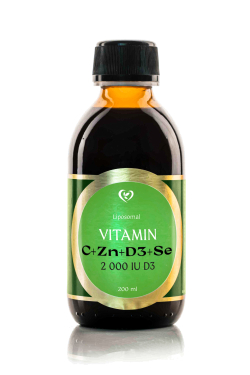
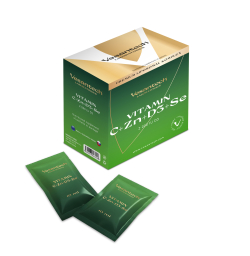
- Vitamin C, vitamin D, zinc, and selenium contribute to the normal function of the immune system. All four are combined in Liposomal Vitamin C + Zinc + D3 + Se.
- Herbal blends and gemmotherapy — the S4 package and P8 tincture made from currant, viburnum, and rosemary buds are traditionally used in the spring and summer.
- Black cumin is traditionally used in cooking as well as in folk medicine. Regarding black cumin oil, research is still in its preliminary stages.
You can find more about seasonal herbs in the article “Allergies and Their Possible Herbal Remedies.” If you’re allergic to any plant in the Asteraceae family (such as mugwort or ragweed), be cautious with herbal teas as well—they may contain related plants.
When to See a Doctor
- If your symptoms recur every year or interfere with your sleep, work, or school.
- If you develop a cough, wheezing, or shortness of breath—it could be asthma.
- You don’t know what triggers the reaction.
Call 155 or 112 immediately if you experience swelling of the lips, tongue, or throat, difficulty breathing, dizziness, or loss of consciousness.
Frequently Asked Questions About Allergies
What vitamins should you take for allergies?
Vitamin C, vitamin D, zinc, and selenium contribute to the normal function of the immune system—you can find them, for example, in liposomal Vitamin C + Zinc + D3 + Se. However, they are not a substitute for allergy medications.
What is the difference between an allergy and an intolerance?
With an allergy, the immune system reacts. With an intolerance (such as lactose or histamine intolerance), it is most often a problem with digestion or the processing of a substance. Learn more in the Histamine and Intolerances category.
Can an allergy develop in adulthood?
Yes. Allergies can develop at any age, even to substances you previously tolerated without difficulty.
Does tea help with allergies?
Herbal teas can be a pleasant part of your daily fluid intake, but they do not treat allergies. People with allergies to Asteraceae pollen should carefully read the ingredients list on herbal blends.
When is an allergic reaction dangerous?
If you experience swelling in the mouth or throat, difficulty breathing, dizziness, or loss of consciousness. In such cases, call emergency services.
Sources
- EAACI – Guidelines & Position Papers: https://eaaci.org/guidelines-position-papers/eaaci-guidelines-on-allergen-immunotherapy-prevention-of-allergy/
- ARIA-EAACI Guidelines (allergic rhinitis): https://pmc.ncbi.nlm.nih.gov/articles/PMC13256267/
- ÚVZ SR – Pollen Forecast in Slovakia: https://www.uvzsr.sk/web/uvz/pelova-situacia-v-sr-za-aktualny-tyzden
- NHS – Allergies: https://www.nhs.uk/conditions/allergies/