SK
 CZ
Depression or Sadness?
Sadness following a loss, disappointment, or a difficult period is a natural reaction and will gradually subside. We speak of depression when a low mood or loss of interest persists for most of the day, nearly every day, for at least two weeks, and is accompanied by other symptoms (WHO):
- impaired concentration and decision-making,
- feelings of guilt or worthlessness,
- hopelessness and thoughts of death,
- sleep disturbances—insomnia or excessive sleepiness,
- changes in appetite and weight,
- severe fatigue and lack of energy.
Depression can also occur after childbirth—according to the WHO, more than 10% of pregnant women and new mothers experience it. We discuss the symptoms in more detail in the article “Depression—It’s Not Just Depressive Thoughts.”
How Depression Is Treated
According to the WHO, psychological methods are the first-line treatment, such as cognitive-behavioral therapy, behavioral activation, or interpersonal psychotherapy. For moderate to severe depression, a doctor may prescribe antidepressants. The first step is to consult with your primary care physician, a psychologist, or a psychiatrist. If you’re already taking medication, do not stop taking it without consulting your doctor, and do not take herbal supplements without consulting a healthcare professional.
What You Can Do on Your Own
- Exercise. Regular walking or other physical activity are proven self-help measures.
- Regular sleep. Go to bed and wake up at the same time every day. You can find tips in the Sleep category.
- Socializing. Don’t isolate yourself—even a brief conversation with a loved one can help.
- Less alcohol. Alcohol improves your mood in the short term, but worsens it in the long term and disrupts sleep.
- Stress management. Long-term stress and depression are often linked—learn more in the article “What Is Stress—Symptoms and Causes” and in the Stress category.
How to Choose Supplements
Dietary supplements are not medications for depression. They can provide nutrients that have EU-approved health claims for the nervous system and mental health:
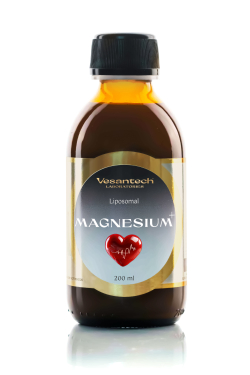
- Magnesium contributes to normal mental function, normal nervous system function, and the reduction of exhaustion and fatigue. It is found in Liposomal Magnesium or Magnesium Performance & Focus with vitamin B6. Read more in the article “Magnesium Deficiency Is More Problematic Than We Think.”
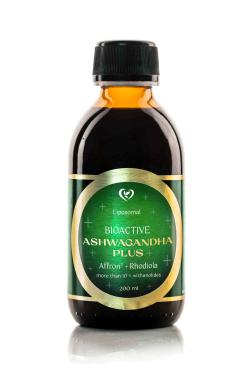
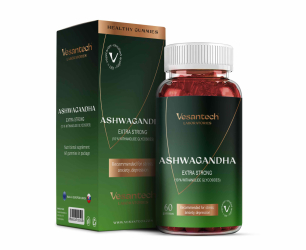
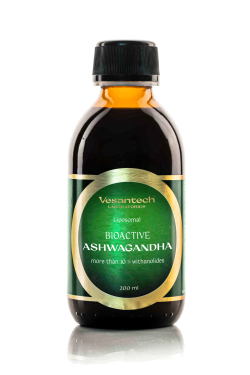
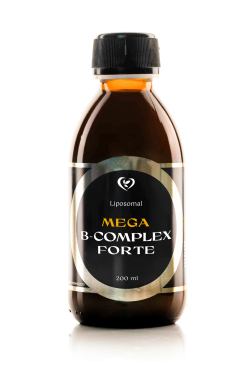
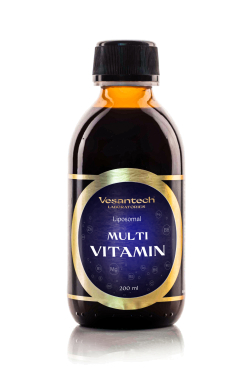
- Vitamins B6, B12, folate, B1, and niacin contribute to normal mental function and normal nervous system function. Liposomal Mega B-Complex Forte contains all of them. Liposomal Ashwagandha Plus combines magnesium, B6 , and B12 with ashwagandha extract—however, ashwagandha itself does not have an approved claim in the EU.
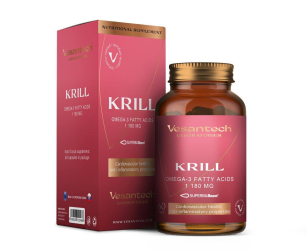
- DHA contributes to the maintenance of normal brain function at a daily intake of 250 mg. This dose is contained in Omega-3 – Fish Oil.
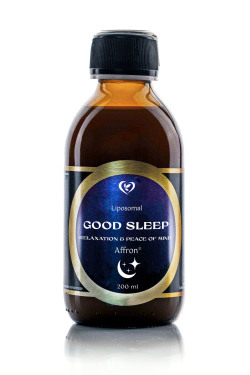
- Melatonin helps reduce the time it takes to fall asleep when you take 1 mg shortly before bedtime. It is contained in Good Sleep.
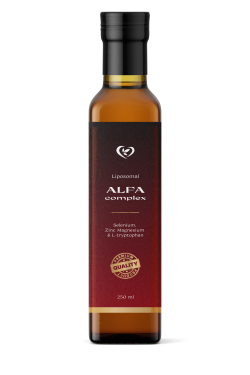
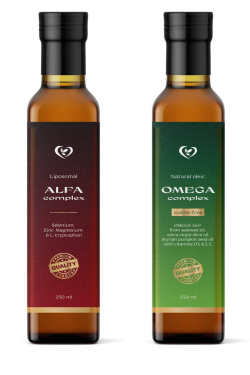
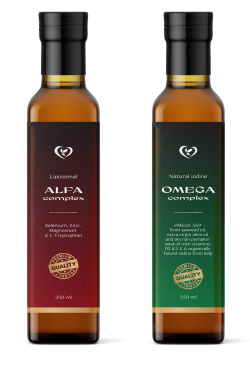
Do not take supplements containing L-tryptophan (Good Sleep, Alfa Complex) or St. John’s wort together with antidepressants without your doctor’s approval. Probiotics and herbs do not have approved health claims regarding mental health—take them as part of your daily routine, not as a treatment.
When to See a Doctor
- If feelings of sadness, emptiness, or loss of interest last longer than two weeks.
- If your symptoms prevent you from working, taking care of your household, or socializing.
- If depression has developed during pregnancy or after childbirth.
- Immediately if you have thoughts of suicide—call 112 or the Nezabudka Helpline at 0800 800 566 (24/7, toll-free, anonymous).
Frequently Asked Questions About Depression
What kind of tea helps with depression?
No herbal tea cures depression or replaces psychotherapy or medication. Warm tea made from lemon balm, lavender, or chamomile can be part of a relaxing evening ritual. If you haven’t been feeling well for more than two weeks, see a doctor.
What herbs help with depression?
St. John’s wort is the most commonly mentioned herb. However, it has serious interactions with many medications, including antidepressants, blood thinners, and hormonal birth control. Use it only after consulting a doctor or pharmacist.
What vitamins help with depression?
Magnesium, vitamins B1, B6, B12, folate, niacin, biotin, and vitamin C have approved claims regarding normal mental function. You can find them, for example, in Liposomal Mega B-Complex Forte. Vitamins do not treat depression, but they can supplement your diet.
Does magnesium help with depression?
Magnesium contributes to normal mental function and helps reduce exhaustion and fatigue. However, it is not a treatment for depression. For long-term difficulties, the right course of action is to see a doctor.
Can I take supplements along with antidepressants?
Vitamins and minerals in standard doses are generally safe, but always consult your doctor first. Be cautious with L-tryptophan, saffron, and St. John’s wort—they may interact with antidepressants.
Where can I find help in a crisis?
The Nezábudka Helpline is available 24/7 at 0800 800 566—free of charge and anonymously. In an emergency, call 112.
Sources
- WHO – Depressive disorder (depression), fact sheet: https://www.who.int/en/news-room/fact-sheets/detail/depression
- Nezábudka Helpline – 0800 800 566: https://www.linkanezabudka.sk/
- EMA / HMPC – European Union herbal monograph on Hypericum perforatum L., herba (Revision 1): https://www.fitoterapia.net/archivos/202302/final-european-union-herbal-monograph-hypericum-perforatum-l-herba-revision-1_en.pdf?1
- Commission Regulation (EU) No. 432/2012 – List of Authorized Health Claims: https://eur-lex.europa.eu/legal-content/EN/TXT/PDF/?uri=CELEX:32012R0432
- European Commission – EU Register of Health Claims: https://food.ec.europa.eu/food-safety/labelling-and-nutrition/nutrition-and-health-claims/eu-register-health-claims_en