SK
 CZ
Fluids are the most important
- Drink often and in small sips—water, unsweetened tea, or diluted soups.
- If you experience significant fluid loss, use an oral rehydration solution from the pharmacy. It contains a precise ratio of salts and sugar that helps the body absorb water. The WHO considers it the cornerstone of diarrhea treatment (WHO).
- Continue to breastfeed or feed infants—if they are vomiting, give smaller, more frequent feedings (NHS).
What to Eat When You Have Diarrhea
When your body allows it, return to your normal diet in smaller portions—rice, potatoes, bread, bananas, cooked vegetables, and soups. Fasting is not necessary. Avoid fatty, fried, and very spicy foods, as well as alcohol, until your digestion settles down. You can find more information about restoring digestion in the Digestion category.
Probiotics for Diarrhea
- For children with acute diarrhea, the ESPGHAN working group recommends specific strains, such as Lacticaseibacillus rhamnosus GG, at a dose of at least 10¹⁰ CFU daily for 5–7 days (ESPGHAN 2023). The effect depends on the strain and dose—consult a pediatrician or pharmacist when choosing a probiotic.
- In adults, the evidence is less conclusive. Probiotics are often used during and after antibiotic treatment.
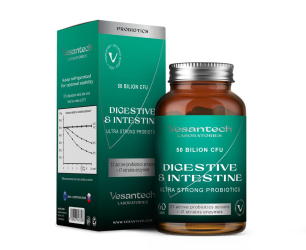
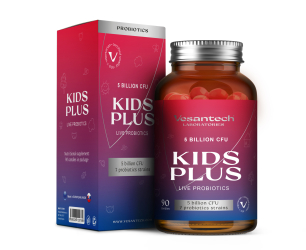
In the EU, no probiotic has an approved health claim. Therefore, probiotics are not a substitute for staying hydrated, nor should they replace medical care in cases of severe symptoms. From our product line, Vesantech Digestive or Microbiome Restart are used to restore the gut microbiome; for children, KIDS PLUS is recommended. Read more in the article “Probiotics for Children—Why Today’s Children Get Sick More Often.”
How to Prevent Diarrhea
- Wash your hands with soap before eating and after using the restroom.
- When traveling, drink bottled water and avoid raw foods of unknown origin.
- Store meat and eggs properly and cook them thoroughly.
When to See a Doctor
According to the NHS, seek medical help (NHS):
- if an infant under 12 months has diarrhea, or if the child stops drinking or eating,
- if a child under 5 years old has signs of dehydration, such as fewer wet diapers,
- if someone is unable to keep fluids down or has symptoms of dehydration even after receiving an oral rehydration solution,
- if there is bloody diarrhea or rectal bleeding,
- if diarrhea lasts longer than 7 days or vomiting lasts longer than 2 days,
- immediately (112) if there is vomiting of blood, severe abdominal pain, a stiff neck, confusion, or blue lips.
Frequently Asked Questions About Diarrhea
What should I do for diarrhea?
Fluids are the most important—drink small sips frequently; if you’ve lost a significant amount of fluid, use an oral rehydration solution from the pharmacy. When your body allows it, eat light meals in smaller portions.
Which probiotics should you take for diarrhea?
The effect depends on the specific strain and dosage. For children, ESPGHAN recommends, for example, L. rhamnosus GG at a dose of at least 10¹⁰ CFU per day. Consult a pharmacist when choosing a product. Vesantech Digestive, for example, is used to restore the gut microbiota in adults.
How long does diarrhea last?
In both adults and children, it usually stops within 5–7 days. If it lasts longer than 7 days, see a doctor.
What should you drink when you have diarrhea?
Water, unsweetened tea, diluted soups, and an oral rehydration solution from the pharmacy. Avoid alcohol.
What vitamins should you take for diarrhea?
With diarrhea, the body mainly loses water and electrolytes, not vitamins. An oral rehydration solution is the top priority. Once the symptoms subside, returning to a varied diet will help.
When is diarrhea dangerous in a child?
If the child is an infant under 12 months old, and if the child isn’t drinking, has fewer wet diapers, is drowsy, has blood in the stool, or has a high fever, contact a doctor.
Sources
- NHS – Diarrhea and vomiting: https://www.nhs.uk/conditions/diarrhoea-and-vomiting/
- WHO – Diarrheal disease, fact sheet: https://www.who.int/en/news-room/fact-sheets/detail/diarrhoeal-disease
- ESPGHAN – Probiotics for the Management of Pediatric Gastrointestinal Disorders (2023): https://www.espghan.org/dam/jcr:299e3330-b1b6-4940-aa72786501bffff1/2023_Probiotics%20for%20the%20Management%20of%20Pediatric%20Gastrointestinal%20Disorders:%20Position%20Paper%20of%20the%20ESPGHAN%20Special%20Interest%20Group%20on%20Gut%20Microbiota%20and%20Modifications.pdf