Pollen allergy, also known as hay fever, is characterized primarily by sneezing, a runny or stuffy nose, an itchy nose, and watery or burning eyes. Symptoms are seasonal and depend on which plants you are sensitive to. In Slovakia, the pollen season begins as early as late winter with hazel and alder pollen, continues in the spring with birch, in the summer with grasses, and in late summer with weeds, including ragweed. The current pollen situation is published by the Public Health Authority of the Slovak Republic. If you develop a cough or wheezing, see a doctor—it could be a sign of developing asthma. You can find a more comprehensive overview in the Allergy category.
Some people with birch pollen allergies experience an itchy sensation in their mouths after eating raw apples, nuts, or carrots. This is known as oral allergy syndrome. Cooked fruits and vegetables usually do not cause symptoms. If you experience a more severe reaction, consult an allergist.
Tips for Every Day During Pollen Season
Air out your home early in the morning or after it rains, when pollen concentrations are lower.
When you return home, wash your hair and change your clothes. Do not dry your clothes outside.
Wear sunglasses outdoors, and use a pollen filter in your car.
Nasal rinses with saline solution help remove pollen from the nasal lining.
Start taking allergy medication as recommended by your doctor before the peak of the season.
How to Choose Supplements
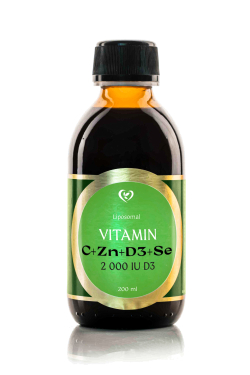
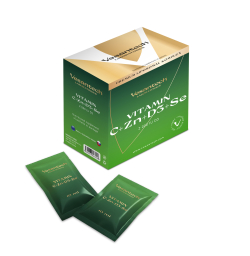
Supplements are not a substitute for antihistamines or immunotherapy. Vitamin C, vitamin D, and zinc contribute to the normal function of the immune system—these are combined in the liposomal Vitamin C + Zinc + D3 + Se formula. The S4 herbal blend and the P8 gemmotherapy tincture are traditionally taken during spring and summer. If you are allergic to pollen from Asteraceae plants (mugwort, ragweed, chamomile), check the ingredients of the herbal blends.
When to See a Doctor
Your symptoms have lasted for weeks and over-the-counter medications aren’t enough.
You have a cough, wheezing, or chest tightness.
You’re considering allergen immunotherapy—this is prescribed by an allergist.
Frequently Asked Questions About Pollen Allergies
When is pollen season in Slovakia?
Roughly from February to September—trees in the spring, grasses in the summer, and weeds in late summer.
Can a pollen allergy be year-round?
No, pollen allergies are seasonal. Year-round symptoms are more commonly caused by dust mites or animal dander.
Do vitamins help with hay fever?
Vitamins C and D, along with zinc, contribute to the normal function of the immune system. However, they do not treat hay fever—medications recommended by a doctor or pharmacist are intended for that purpose.
Why does my mouth itch after eating an apple?
This may be a cross-reaction associated with an allergy to birch pollen. Cooked apples usually do not cause symptoms.
Can a pollen allergy be cured?
Allergen immunotherapy can provide long-term relief from symptoms. An allergist will determine whether it is appropriate for you.
Sources
ÚVZ SR – Pollen levels in Slovakia for the current week: https://www.uvzsr.sk/web/uvz/pelova-situacia-v-sr-za-aktualny-tyzden

 SK
 CZ