SK
 CZ
LDL, HDL, and Triglycerides – What the Results Mean
- LDL cholesterol – the component that, when levels are high, builds up in the walls of the arteries. The European ESC/EAS guidelines consider lowering LDL to be the primary goal in the prevention of cardiovascular disease. The target level varies depending on each person’s overall risk—it is determined by a doctor (ESC/EAS 2025).
- HDL cholesterol – the type that transports cholesterol from tissues back to the liver.
- Triglycerides —another type of fat in the blood. Their levels are primarily elevated by excess sugar, alcohol, and being overweight.
High cholesterol has no symptoms. That is why preventive checkups, which include a blood test, are important.
What Really Affects Cholesterol Levels
- Diet – Less saturated fat (fatty meats, smoked meats, butter, coconut oil, and palm oil) and more vegetable oils, nuts, legumes, vegetables, and whole-grain foods. The Mediterranean diet, featuring olive oil and fish, has been thoroughly studied—read more in the article “The Mediterranean and Nordic Diets Under the Microscope of Longevity Genes.”
- Exercise and Weight – Regular physical activity and weight loss improve blood lipid levels.
- Smoking and Alcohol - Smoking damages blood vessels, and alcohol raises triglyceride levels.
- Genetics – In cases of hereditary (familial) hypercholesterolemia, cholesterol levels remain high even with a healthy lifestyle, and treatment is managed by a doctor.
The article “Cholesterol—A Killer Myth or a Misunderstood Player” explores the myths and facts about cholesterol.
How to Choose Supplements
The updated 2025 ESC/EAS European guidelines note that dietary supplements are not a substitute for treatment and have no proven effect on cardiovascular risk (ESC/EAS 2025). If your doctor has prescribed medication, do not stop taking it. Supplements can be part of a healthy diet:
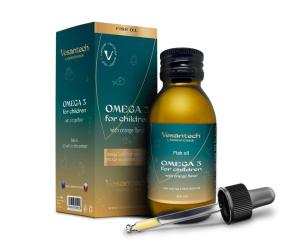
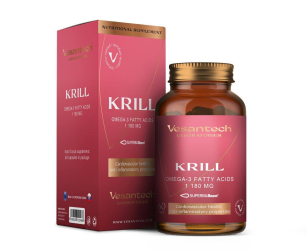
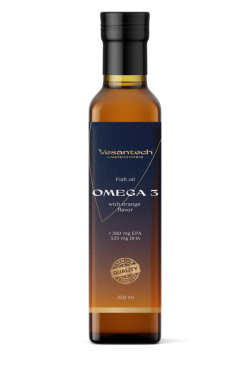
- Omega-3 fatty acids EPA and DHA. They contribute to normal heart function at a daily intake of 250 mg. At a daily intake of 2 g, they help maintain normal blood triglyceride levels—this dose is contained in Omega 3 EXTRA STRONG (3,000 mg of EPA and DHA in 4 ml). For your regular daily intake, try Omega-3 fish oil or Krill Oil EXTRA capsules. You can find other oils in the Omega-3 category. If you are taking blood-thinning medications, consult your doctor before taking higher doses.
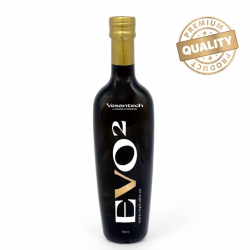
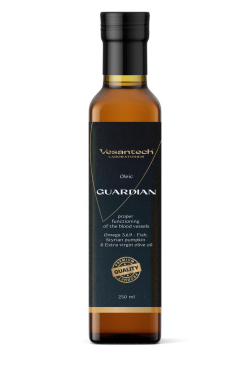
- Extra virgin olive oil. It is a staple of the Mediterranean diet and can replace animal fats in cooking, such as Vesantech EVO².
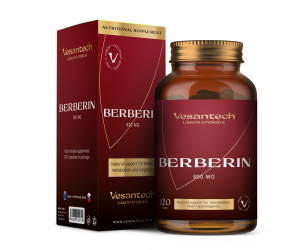
- Berberine. It is the subject of research in the field of metabolism, but no health claims have been approved for it in the EU. If you are considering taking it alongside medications, consult your doctor. Read more in the article “Berberine Is More Than Just an Herb.”
Be cautious with red yeast rice products: As of 2022, the European Union has banned supplements containing 3 mg or more of monacolins per daily dose and requires warning labels for lower doses (ESC / EAS 2025).
When to Discuss Cholesterol with Your Doctor
- If your cholesterol levels were last measured more than five years ago.
- If there has been a history of heart attack or stroke at a young age in your family.
- If you have diabetes, high blood pressure, are overweight, or smoke.
- If your doctor has detected elevated LDL cholesterol—they will determine the next steps based on your overall risk.
Frequently Asked Questions About Cholesterol
What vitamins help lower cholesterol?
No vitamin has an approved claim in the EU regarding cholesterol reduction. Omega-3 fatty acids are more important for heart health and blood lipids: EPA and DHA contribute to normal heart function (250 mg daily) and, at 2 g daily, help maintain normal triglyceride levels in the blood. Omega 3 EXTRA STRONG, for example, contains these fatty acids. However, the foundation remains a healthy diet, exercise, and, in cases of high levels, treatment prescribed by a doctor.
What kind of oil is suitable for high cholesterol?
In the kitchen, it’s a good idea to replace butter, lard, and coconut oil with vegetable oils, especially extra virgin olive oil. Fish oil or krill oil is used to supplement omega-3s.
Can cholesterol be lowered through diet?
Yes, diet affects LDL cholesterol levels—especially limiting saturated fats and increasing fiber, legumes, nuts, and vegetable oils. However, in cases of hereditary cholesterol or high risk, diet alone is not enough, and treatment is managed by a doctor.
What is the difference between fish oil and krill oil?
Both contain EPA and DHA. Fish oil typically has a higher concentration of these, while krill oil contains them in the form of phospholipids and also contains astaxanthin. We discuss the oxidation of omega-3 oils in the article “Antarctic Gold—Krill Oil.”
How often should you have your cholesterol checked?
In healthy adults, cholesterol is checked during preventive checkups. If you have elevated levels or are taking medication, your doctor will determine the frequency.
Sources
- 2025 Focused Update of the 2019 ESC/EAS Guidelines for the Management of Dyslipidemias (European Heart Journal, 2025): https://academic.oup.com/eurheartj/article/46/42/4359/8234482
- TASR – High cholesterol should not be underestimated: https://www.teraz.sk/zdravie/zvyseny-cholesterol-netreba-podcenovat/318596-clanok.html
- Commission Regulation (EU) No. 432/2012 – List of Authorized Health Claims: https://eur-lex.europa.eu/legal-content/EN/TXT/PDF/?uri=CELEX:32012R0432
- European Commission – EU Register of Health Claims: https://food.ec.europa.eu/food-safety/labelling-and-nutrition/nutrition-and-health-claims/eu-register-health-claims_en