SK
 CZ
How Cold Sores Develop and Why They Recur
The herpes simplex virus is transmitted through direct contact—such as kissing, sharing a glass, using the same utensils, or sharing a towel. After the initial infection, which often occurs in childhood, the virus “hides” in nerve cells and remains there for life. When the body is weakened by illness or other stressors, the virus reactivates and a new cold sore develops.
The most common triggers (NHS):
- another illness, such as a cold or the flu,
- strong sunlight and tanning beds,
- menstruation,
- stress, fatigue, and lack of sleep.
How to Manage a Cold Sore and Prevent It From Spreading
- Start early. If you get cold sores regularly, use an antiviral cream from the pharmacy as soon as you feel the first burning or tingling sensation—once blisters appear, the cream may no longer be effective (NHS).
- Don’t touch the cold sore, and wash your hands with soap after every time you touch it.
- Avoid kissing until the cold sore has completely healed. Take special care to protect newborns—the infection is very dangerous for them.
- Do not share glasses, utensils, towels, or lip balm.
- Protect your lips from the sun with lip balm that has an SPF of 15 or higher.
How to Choose Supplements
No dietary supplement has an approved health claim for cold sores. However, the following claims are approved for the immune system, which helps keep the virus in check:
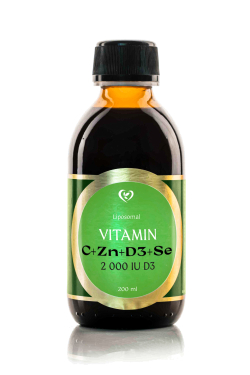
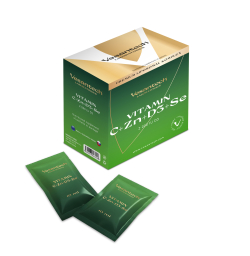
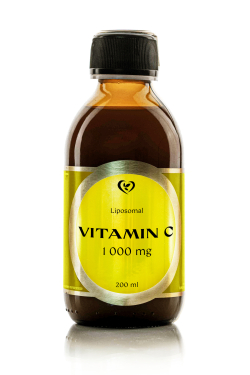
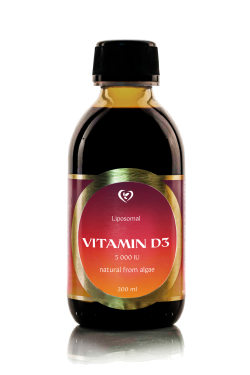
- Vitamin C, vitamin D, zinc, and selenium contribute to the normal function of the immune system. Liposomal Vitamin C + Zinc + D3 + Se contains all of them.
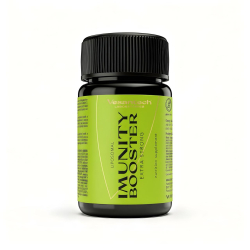
- L-lysine is an amino acid currently being studied in relation to herpes. Study results vary, and lysine does not have an approved health claim. It is contained in Liposomal Immunity Booster and Immunity Booster Shot, along with vitamins and zinc to support immunity.
- Herbs such as sage, chamomile, and lemon balm are traditionally used for gargling and compresses. They do not have approved health claims.
We discuss licorice in the article “Licorice—A Natural Remedy for a Weakened Immune System.”
When to See a Doctor
According to the NHS, see a doctor (NHS):
- if the cold sore doesn’t start to heal within 10 days,
- if it is very large or painful,
- if, in addition to the cold sore, your child has swollen, painful gums and mouth sores,
- if you have a weakened immune system, such as from chemotherapy or diabetes,
- if you are pregnant or if it involves a newborn,
- if blisters appear on the genitals—genital herpes is a sexually transmitted infection and should be treated by a doctor.
Frequently Asked Questions About Herpes (Cold Sores)
What vitamins help with herpes?
Vitamin C, vitamin D, zinc, and selenium contribute to the normal function of the immune system. For example, Liposomal Vitamin C + Zinc + D3 + Se contains all of these. However, no vitamin can cure a cold sore—if you experience frequent cold sores, consult a doctor.
Does lysine help with cold sores?
L-lysine is being studied in relation to cold sores, but the results are inconclusive, and it does not have an approved health claim in the EU. It may be included in supplements such as Liposomal Immunity Booster.
What herbs are used for herpes?
Sage, chamomile, and lemon balm are traditionally used for compresses and gargling. They do not have approved health claims. For the cold sore itself, an antiviral cream from the pharmacy is more effective if you apply it at the first sign of tingling.
How long does a cold sore last?
A cold sore usually heals on its own within 10 days. If it hasn’t started to heal after 10 days, see a doctor.
Is a cold sore contagious?
Yes, from the first tingling sensation until it’s completely healed. Avoid kissing, don’t share glasses or towels, and wash your hands after touching the area.
What can you do for a cold sore on your lip at home?
Don’t touch it, protect your lips from the sun, and apply an antiviral cream from the pharmacy at the first sign of tingling. Do not apply toothpaste, alcohol, or concentrated essential oils to a cold sore—they can irritate the skin.
Sources
- WHO – Herpes simplex virus, fact sheet: https://www.who.int/news-room/fact-sheets/detail/herpes-simplex-virus
- NHS – Cold sores: https://www.nhs.uk/conditions/cold-sores/