SK
 CZ
Why Blood Cell Counts Decrease
- Iron deficiency —the most common cause. It occurs with heavy menstrual bleeding, during pregnancy, due to gastrointestinal bleeding, a diet low in iron, or impaired absorption (NHS).
- Vitamin B12 or folate deficiency —a risk with a vegan diet without supplements, stomach and intestinal diseases, after stomach surgery, with certain medications, and with excessive alcohol consumption (NHS).
- Chronic kidney disease, inflammatory conditions, or inherited blood disorders.
A blood test, ferritin levels, and vitamin B12 and folate levels will reveal which nutrient is lacking. Do not take iron supplements long-term without a medical evaluation—the body cannot excrete excess iron. We discuss hidden iron deficiency in more detail in the article “When Iron Isn’t Enough.”
Nutrients for Red Blood Cells
| Nutrient | EU-Approved Claim | Where to Find It in Your Diet | Example of a product |
|---|---|---|---|
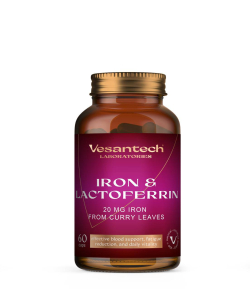
| Iron | contributes to the normal formation of red blood cells and hemoglobin | red meat, organ meats, legumes, pumpkin seeds | |
| Vitamin B12 | contributes to the normal formation of red blood cells | meat, fish, eggs, dairy products | |
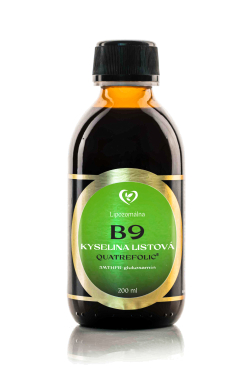
| Folate | contributes to normal blood formation | leafy vegetables, legumes, liver | |
| Vitamin B6 | contributes to normal red blood cell formation | poultry, fish, bananas, potatoes | |
| Vitamin B2 | contributes to the maintenance of normal red blood cells | dairy products, eggs, almonds | |
| Vitamin C | increases iron absorption | bell peppers, rose hips, sea buckthorn, citrus fruits | |
| Copper | contributes to normal iron transport in the body | nuts, seeds, whole-grain products | |
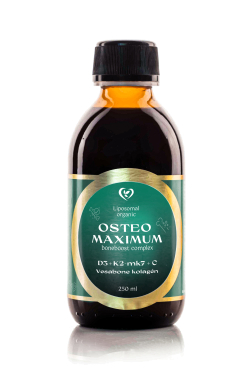
| Vitamin K | contributes to normal blood clotting | leafy greens, fermented foods |
Source of claims: EU Register of Health Claims.
How to Take Iron for Better Absorption
- Take it on an empty stomach or with a meal rich in vitamin C—a glass of orange juice can also help (NHS).
- Wait at least two hours before or after consuming black or green tea, coffee, milk, or calcium.
- If iron makes you feel nauseous or constipated, try taking it with food or choose a different form. Read more in the article “Why Iron Makes You Feel Sick.”
- Keep iron out of the reach of children—an overdose is dangerous for them.
Platelets
Platelets (thrombocytes) clump together when you’re injured and, together with clotting factors, stop bleeding. Vitamin K contributes to normal blood clotting. However, a low platelet count is not caused by a vitamin deficiency but by diseases, infections, or medications—and cannot be increased with supplements. If you have unexplained bruises, small red spots on your skin, or bleeding from your gums or nose, see a doctor. If you are taking warfarin, consult your doctor before taking vitamin K.
When to See a Doctor
- You’ve been feeling tired, pale, short of breath, or have a racing heart for a long time.
- You have heavy or prolonged menstrual periods.
- There is blood in your stool or it is black (unless you are taking iron supplements).
- You have tingling in your hands and feet, a burning sensation on your tongue, or memory problems—this could be a sign of vitamin B12 deficiency.
Frequently Asked Questions About Red Blood Cells and Platelets
What kind of tea is good for red blood cells?
Herbal tea is not a significant source of iron and will not increase red blood cell count on its own. Nettle tea is traditionally consumed. More importantly, here’s what not to drink: black and green tea reduce iron absorption, so drink them at least two hours apart from meals or iron supplements.
What kind of juice is good for red blood cells?
Fruit juice rich in vitamin C, such as orange juice, increases the absorption of iron from food. Eisenblut fruit juice also contains iron itself—20 ml covers 107% of the reference value. Beet juice is healthy, but it contains very little iron.
What vitamins support red blood cells?
Vitamin B12, folate, and vitamin B6 contribute to normal red blood cell production, while vitamin B2 helps maintain them. Among minerals, iron is key, and vitamin C enhances its absorption.
Does red wine help with red blood cells?
No. Alcohol actually impairs the absorption and utilization of nutrients needed for blood formation. If you have an iron deficiency, opt for a diet rich in iron and vitamin C.
How quickly does hemoglobin increase after taking iron?
The first improvement in blood counts is usually visible after a few weeks, but it takes months to replenish iron stores. A doctor will typically recommend taking iron for about six months and will verify the results with a blood test (NHS).
Sources
- NHS – Iron deficiency anemia: https://www.nhs.uk/conditions/iron-deficiency-anaemia/
- NHS – Vitamin B12 or folate deficiency anemia: https://www.nhs.uk/conditions/vitamin-b12-or-folate-deficiency-anaemia/