SK
 CZ
How Helicobacter Manifests Itself
The infection often has no symptoms. If it causes gastritis or an ulcer, it may present with:
- a burning sensation or pain in the upper abdomen,
- a feeling of fullness after eating only a small amount of food,
- loss of appetite, nausea, belching,
- recurring digestive problems.
Acid reflux has similar symptoms—see the Heartburn and Stomach Acid category for more information.
How is Helicobacter treated?
Treatment (eradication) is prescribed by a doctor. It involves a combination of antibiotics and medications that reduce stomach acid production, and depending on the cause, treatment lasts from one week to two months. After treatment, your doctor may recommend a follow-up test to confirm whether it was successful (NHS). It is important to complete the entire course of treatment, even if your symptoms improve sooner—otherwise, there is a risk that the bacteria will become resistant to antibiotics.
Probiotics During Treatment
The Maastricht VI / Florence European Consensus states that certain probiotics may reduce digestive side effects of treatment, such as diarrhea, and thereby help patients complete the course of treatment. However, the quality of the evidence is low, and probiotics alone do not eradicate Helicobacter without antibiotics (WGO). Take probiotics at a sufficient interval from the antibiotic, following the instructions on the package.
How to Choose Supplements
No probiotic or herbal remedy has an approved health claim in the EU for Helicobacter or for the stomach. Therefore, view supplements as a support during treatment, not as a substitute for it:
- Probiotics—for example, Vesantech Universal or Microbiome Restart. See the Probiotics category and the article “Myths and Facts About Probiotics” for more information.
- Mastic – a resin from the island of Chios that is being studied in relation to Helicobacter. It is not suitable for pregnant women, young children, or those with an allergy to resin.
- Chamomile – a traditional herbal tea to soothe the digestive system.
If you are taking prescription medications, consult your doctor or pharmacist before using any herbs.
When to See a Doctor
- If you have digestive problems that do not improve or recurring abdominal pain.
- Seek immediate medical attention if you are losing weight for no apparent reason, have difficulty swallowing, are vomiting repeatedly, or feel constantly tired.
- Call 112 immediately if you are vomiting blood or coffee-ground-like material, have black, tarry stools, or experience sudden, severe abdominal pain.
Frequently Asked Questions About Helicobacter
Can Helicobacter be treated with herbs?
No. Helicobacter pylori is treated by a doctor with a combination of antibiotics and stomach medications. Herbs and probiotics alone do not eliminate the bacteria. However, some probiotics may help alleviate the side effects of treatment.
Which probiotics are recommended for Helicobacter pylori?
According to the Maastricht VI Consensus, certain probiotics containing lactobacilli or the yeast Saccharomyces boulardii may reduce the digestive side effects of treatment. Take them alongside your treatment, not in place of it—for example, Vesantech Universal.
Is Helicobacter contagious?
The bacteria are transmitted from person to person. If you or other family members are experiencing symptoms, consult a doctor about getting tested.
Can I eat nuts or sugar if I have Helicobacter?
A special diet will not eliminate the bacteria. However, if you have gastritis, limit foods that cause you discomfort, as well as alcohol, smoking, and pain relievers without consulting your doctor.
What vitamins should I take if I have Helicobacter pylori?
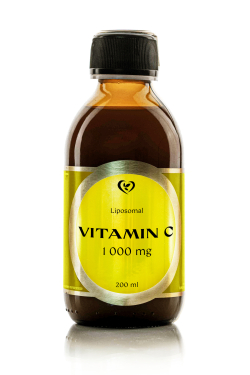
No vitamin has an approved claim for stomach health. A varied diet and, if necessary, vitamin C contribute to the normal function of the immune system, but they are not a substitute for treatment.
Sources
- NHS – Stomach ulcer: https://www.nhs.uk/conditions/stomach-ulcer/
- Management of Helicobacter pylori infection: the Maastricht VI / Florence consensus report (Gut, 2022): https://gut.bmj.com/content/71/9/1724
- World Gastroenterology Organization – Probiotics and Prebiotics: https://www.worldgastroenterology.org/guidelines/probiotics-and-prebiotics/probiotics-and-prebiotics-english