SK
 CZ
When Is Blood Pressure High?
According to the 2024 recommendations of the European Society of Cardiology (ESC):
| Category | Clinic Measurement | Home measurement |
|---|---|---|
| Normal blood pressure | below 120/70 mm Hg | – |
| Elevated blood pressure | 120/70 to 139/89 mm Hg | – |
| Hypertension | 140/90 mm Hg and above | 135/85 mm Hg and above |
At home, measure your blood pressure while at rest, sitting down, with your arm resting at heart level—ideally in the morning and evening for several days in a row. Write down the readings and show them to your doctor. Untreated hypertension puts long-term strain on the heart, blood vessels, kidneys, brain, and eyes.
What Lowers Blood Pressure Without Medication
Lifestyle changes can significantly lower blood pressure (ESC 2024, NHS):
- Less salt —no more than 5 g of salt per day, which is equivalent to approximately 2 g of sodium. We get most of our salt from baked goods, smoked meats, cheeses, and prepared foods.
- More potassium from vegetables, fruits, legumes, and nuts. If you have kidney disease, consult your doctor about your potassium intake.
- Exercise —at least 150 minutes of moderate aerobic activity per week, such as brisk walking, plus strength training two to three times a week.
- Healthy weight— even a modest weight loss can lower your blood pressure.
- Less alcohol —the ESC recommends less than 100 g of pure alcohol per week; ideally, avoid it entirely.
- Do not smoke.
- Getquality sleep and manage stress. See the Stress category formore information .
If your doctor has prescribed medication, take it regularly even when you feel well. Dietary supplements and herbs are not a substitute for treatment.
Omega-3 and Blood Pressure
The omega-3 fatty acids EPA and DHA have two approved claims in the EU (EU Register of Health Claims):
- they contribute to normal heart function with a daily intake of 250 mg of EPA and DHA,
- they contribute to the maintenance of normal blood pressure with a daily intake of 3 g of EPA and DHA. A daily intake of 5 g should not be exceeded.
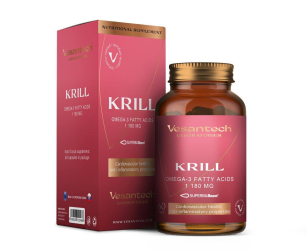
A 4-ml dose of Vesantech Omega 3 EXTRA STRONG contains 3 g of EPA and DHA. For heart health, Vesantech Omega 3 Fish Oil or Krill Oil EXTRA is also sufficient. If you are taking blood-thinning medications, consult your doctor before taking higher doses of omega-3. We discuss the quality of fish oil in more detail in the articles “Omega-3 Under the Microscope ” and “Antarctic Gold—Krill Oil.”
Herbs for the Heart and Blood Vessels
Traditionally, hawthorn, white mistletoe, lemon balm, and wild garlic are consumed for heart and blood vessel health. You can find them individually or in blends such as “High Blood Pressure with Hawthorn” and “Hypertonik, ” or as part of the K31 regimen. Herbal teas do not have approved health claims regarding blood pressure. If you are taking heart or blood pressure medications, consult your doctor before drinking these teas—hawthorn may enhance their effects.
What to Watch Out For:
- Licorice root may raise blood pressure with long-term use. It is found, for example, in some teas and syrups for respiratory health and for women going through menopause—if you have hypertension, check the ingredients list.
- Ginseng, mate, guarana, and energy drinks have a stimulating effect; if you have high blood pressure, consume them only after consulting your doctor.
- St.John’s wort and certain other herbs can interact with medications.
When to See a Doctor
- You repeatedly measure 135/85 mm Hg or higher at home.
- You have high blood pressure accompanied by a headache, dizziness, or a nosebleed.
- Call 112 immediately if your blood pressure is above 180/120 mm Hg and is accompanied by chest pain, shortness of breath, slurred speech, paralysis, confusion, or vision problems.
Frequently Asked Questions About High Blood Pressure
What vitamins help with high blood pressure?
No vitamin has an approved health claim regarding blood pressure in the EU. Omega-3 fatty acids EPA and DHA (at 3 g per day) and potassium—which we get mainly from vegetables and fruits—have approved health claims.
Does magnesium help with high blood pressure?
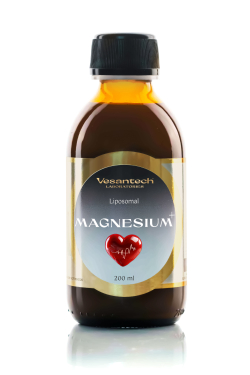
Magnesium does not have an approved health claim regarding blood pressure. It contributes to the normal function of muscles and the nervous system and helps reduce fatigue. If you have kidney disease, take it only after consulting your doctor. Read more in the article “Magnesium Deficiency.”
Is krill oil suitable for high blood pressure?
Krill oil contains EPA and DHA, which contribute to normal heart function at a daily intake of 250 mg. For a claim regarding blood pressure, 3 g of EPA and DHA per day is required, which corresponds more to concentrated fish oil. Krill oil is not suitable for people with shellfish allergies.
Does sea buckthorn help with high blood pressure?
Sea buckthorn is rich in vitamin C and is a beneficial part of the diet. However, it has no proven effect on blood pressure. If you drink sea buckthorn juice, make sure it does not contain added sugar.
Does milk thistle help with blood pressure?
Milk thistle is traditionally used for liver health. There is no evidence of its effect on blood pressure.
Can I take ashwagandha if I have high blood pressure?
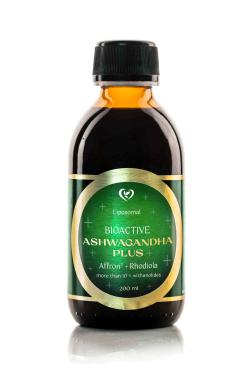
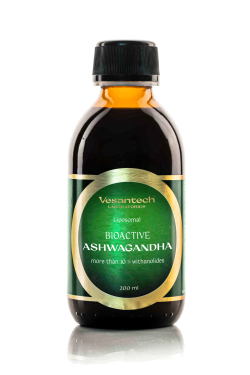
Ashwagandha has no approved health claims regarding blood pressure. If you’re taking blood pressure medication, consult your doctor before using it, as it may affect the medication’s effectiveness.
How much salt per day if I have high blood pressure?
No more than 5 g of salt per day—roughly one teaspoon, including salt in baked goods, smoked meats, and prepared foods.
Sources
- WHO – Hypertension (fact sheet): https://www.who.int/news-room/fact-sheets/detail/hypertension
- ESC 2024 Guidelines for the Management of Elevated Blood Pressure and Hypertension: https://www.escardio.org/guidelines/clinical-practice-guidelines/all-esc-practice-guidelines/elevated-blood-pressure-and-hypertension/
- McEvoy J. W. et al.: 2024 ESC Guidelines, European Heart Journal: https://academic.oup.com/eurheartj/article/45/38/3912/7741010
- NHS – High blood pressure (hypertension): https://www.nhs.uk/conditions/high-blood-pressure/
- NCZI – 240,590 Slovaks Are Being Treated for High Blood Pressure: https://www.nczisk.sk/Aktuality/Pages/NCZI-Vysoky-krvny-tlak-si-lieci-240-590-Slovakov.aspx