SK
 CZ
Symptoms of osteoarthritis
- pain during activity that subsides at rest,
- morning stiffness, which usually lasts less than 30 minutes,
- creaking or cracking in the joint,
- limited mobility and, later, changes in the shape of the joint,
- in advanced osteoarthritis, pain even at night.
Who Is at Higher Risk
The risk of osteoarthritis increases with age and is higher in women, in people who are overweight, after joint injuries or surgeries, with long-term joint overuse at work or during sports, and in people with weak thigh muscles. Part of the risk is hereditary.
Exercise is the foundation of treatment
The 2023 EULAR European recommendations consider exercise tailored to the patient’s current condition, education, and—for those who are overweight—weight loss to be the foundation of treatment for hip and knee osteoarthritis. Every kilogram lost reduces the load on the knee while walking by several times.
- Strengthening the thigh and gluteal muscles stabilizes both the knees and hips.
- Low-impact activities—walking, cycling, swimming, and water exercises.
- Consistency is more important than intensity—the joint needs movement to nourish the cartilage.
- A physical therapist can help you design an exercise routine that won’t worsen the pain.
For more tips, see the article “Having trouble managing joint, spine, or disc problems?
How to Choose Vitamins and Supplements for Osteoarthritis
Let’s be honest: no supplement can stop cartilage wear and tear, and there are no EU-approved health claims for glucosamine, chondroitin, or collagen. A sensible choice therefore focuses on nutrients with approved claims and treats substances with inconclusive evidence as optional additions:
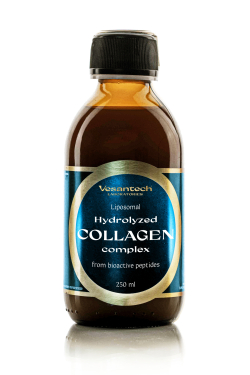
- Vitamin C contributes to normal collagen formation for the normal function of cartilage and bones. It is contained in liposomal vitamin C 1000 mg as well as liposomal collagen peptides (150 mg per daily dose).
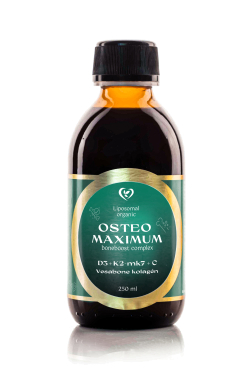
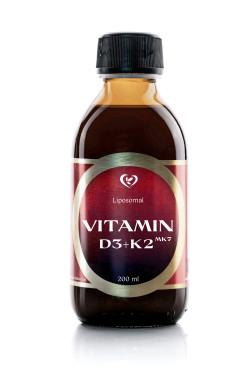
- Vitamins D and K contribute to the maintenance of normal bones, and vitamin D also contributes to normal muscle function. You can find them separately in liposomal vitamin D3+K2, and together with collagen peptides and vitamin C in Osteomaxim.
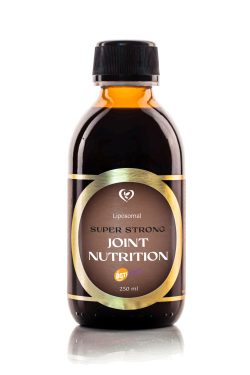
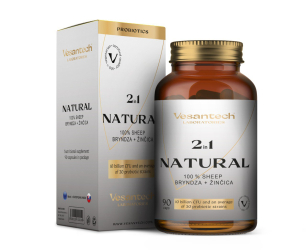
- Glucosamine, chondroitin, and hyaluronic acid—studies have yielded mixed results. Some people with mild knee osteoarthritis report relief, while others do not. If you want to try them, choose a product with clear dosage instructions—such as a liposomal joint supplement containing 1,500 mg of glucosamine—and assess after three months whether it’s helping you.
- Collagen peptides—we discuss the differences between the various collagen products on the market in the articles “The Truth About Collagen” and “Collagen Is Collagen, But….”
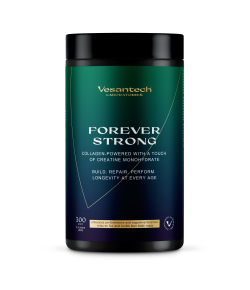
- Protein for Exercise – Adequate protein intake supports the growth and maintenance of muscle mass, which protects the joints. Vesantech Forever Strong is a good choice for strength training.
Glucosamine may affect the efficacy of warfarin, and caution is advised for people with shellfish allergies. If you are taking any medications, consult your doctor or pharmacist.
When to See a Doctor
- The pain lasts longer than a few weeks or is getting worse.
- The joint is swollen, warm, or red—this may indicate inflammation.
- The pain wakes you up at night or limits your ability to walk.
- The joint “pops out” or gets stuck.
Frequently Asked Questions About Osteoarthritis
What vitamins are good for osteoarthritis?
Vitamin C is the most beneficial, as it contributes to normal collagen formation for the normal function of cartilage and bones, as well as vitamins D and K, which contribute to maintaining normal bone health. Osteomaximum, for example, combines these vitamins. You can have your vitamin D levels checked by a doctor.
Does glucosamine help with osteoarthritis?
Study results are mixed. Some people with mild knee osteoarthritis experience relief, so it makes sense to try it for at least three months and then assess its effectiveness. It is a supplement, not a treatment.
Should I exercise even if it hurts?
Mild pain during exercise that subsides within 24 hours is usually not a problem. According to EULAR, exercise is the foundation of treatment. If the pain worsens, adjust your exercise routine with a physical therapist.
Does collagen help the joints?
Collagen peptides are being studied for their effects on joints, but they do not have any approved health claims. Vitamin C supports the body’s production of collagen, which is necessary for normal cartilage function.
Can osteoarthritis be cured?
Worn-out cartilage cannot be restored, but exercise, weight loss, and appropriate treatment can significantly relieve pain and preserve mobility.
Sources
- EULAR recommendations for the non-pharmacological core management of hip and knee osteoarthritis: 2023 update (Ann Rheum Dis 2024): https://pubmed.ncbi.nlm.nih.gov/38212040/
- EULAR – Management Recommendations: https://www.eular.org/recommendations-management
- NHS – Osteoarthritis: https://www.nhs.uk/conditions/osteoarthritis/
- European Commission – EU Register of Health Claims: https://food.ec.europa.eu/food-safety/labelling-and-nutrition/nutrition-and-health-claims/eu-register-health-claims_en