SK
 CZ
How Atherosclerosis Develops
The inner layer of the artery (endothelium) is damaged by high blood pressure, smoking, high blood sugar, and high LDL cholesterol levels. LDL particles penetrate the damaged wall, triggering inflammation and gradually forming a plaque. If the plaque ruptures, a blood clot forms on its surface, which can suddenly block the artery—this is how most heart attacks and ischemic strokes occur.
Risk Factors
- high LDL cholesterol—see the article “Cholesterol: A Killer Myth or a Misunderstood Player?”,
- high blood pressure—see the “High Blood Pressure” category,
- smoking, including secondhand smoke,
- diabetes and insulin resistance,
- obesity, especially abdominal fat,
- lack of physical activity,
- age and a family history of cardiovascular disease.
What You Can Control
The European Society of Cardiology (ESC) recommends, as a basis for prevention, not smoking, engaging in at least 150–300 minutes of moderate-intensity physical activity per week, maintaining a healthy weight, and eating a diet rich in vegetables, fruits, legumes, whole grains, nuts, and fish. It also recommends limiting salt, alcohol, and saturated fats. If your doctor prescribes medication for cholesterol or blood pressure, take it regularly—lifestyle changes often complement but do not replace these medications.
How to Choose Supplements for Heart and Blood Vessels
- EPA and DHA contribute to normal heart function with a daily intake of 250 mg. If you don’t eat fish at least once or twice a week, a suitable source is Omega-3 EXTRA STRONG fish oil or EXTRA krill oil. You can find other omega-3 products in the Omega-3 and Fish Oil category.
- The quality of omega-3 depends on the freshness of the oil. We explain why oxidized oil isn’t worth it in the article “Antarctic Gold—Krill Oil.”
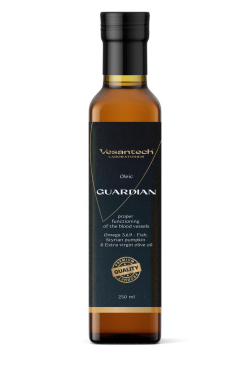
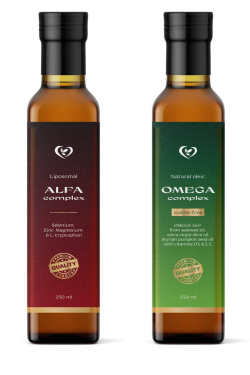
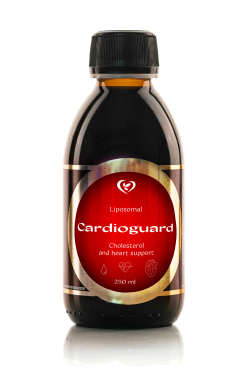
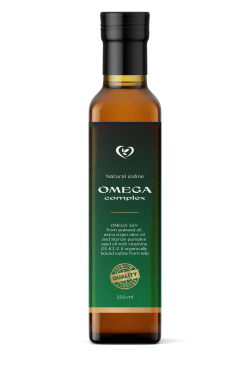
- Combined products— Alfa & Omega (iodine-free), CardioGuard, and Guardian —combine omega-3 with other ingredients.
If you are taking blood-thinning medications, consult your doctor before taking high doses of omega-3.
When to See a Doctor
- Chest pain, tightness, or a burning sensation during physical exertion.
- Pain in the calves when walking that subsides at rest.
- Sudden paralysis, slurred speech, drooping of the corner of the mouth, or loss of vision—call 155 or 112 immediately.
- If you have high blood pressure, diabetes, or a family history of heart attacks, get checked regularly.
Frequently Asked Questions About Atherosclerosis
What is the difference between atherosclerosis and arteriosclerosis?
Arteriosclerosis is the general hardening of the arteries. Atherosclerosis is its most common form, in which plaques form in the walls of the arteries.
Can atherosclerosis be reversed?
Existing plaques can be stabilized and their growth slowed—especially by significantly lowering LDL cholesterol, quitting smoking, and controlling blood pressure. Your doctor will decide on the treatment.
Do omega-3s help the blood vessels?
EPA and DHA contribute to normal heart function with a daily intake of 250 mg. However, they are not a substitute for cholesterol or blood pressure medications.
How often should you have your cholesterol checked?
Adults should have their cholesterol checked as part of a preventive checkup; those with risk factors should have it checked more frequently, as recommended by their doctor.
Sources
- ESC 2021 Guidelines on Cardiovascular Disease Prevention in Clinical Practice: https://academic.oup.com/eurheartj/article/42/34/3227/6358713
- ESC – CVD Prevention Guidelines: https://www.escardio.org/guidelines/clinical-practice-guidelines/all-esc-practice-guidelines/cvd-prevention/
- European Commission – EU Register of Health Claims: https://food.ec.europa.eu/food-safety/labelling-and-nutrition/nutrition-and-health-claims/eu-register-health-claims_en