SK
 CZ
Types of Dermatitis
- Atopic dermatitis (atopic eczema) – a chronic, recurrent form that often begins in childhood. More in the Eczema category.
- Irritant contact dermatitis – occurs when a substance directly damages the outer layer of the skin. Typical triggers include soaps, cleaning products, solvents, and frequent soaking of the hands in water.
- Allergic contact dermatitis – a less common allergic reaction, such as to nickel in costume jewelry, ingredients in cosmetics, or when handling raw fruits and vegetables (NHS).
Skin Care
- Avoid the trigger. With contact dermatitis, the skin often clears up on its own once you avoid the irritant. Wear gloves when working with water and cleaning products.
- Moisturize. Apply moisturizing creams and balms (emollients) regularly, even after your skin improves. For very dry areas, try Hydra Dew Pure™ balm, for example.
- Gently cleanse. Use mild, fragrance-free products and lukewarm water instead of soap.
- Test a new product on a small area of skin first.
How to Choose Supplements
Dietary supplements do not treat dermatitis. The following nutrients have EU-approved claims for skin health:
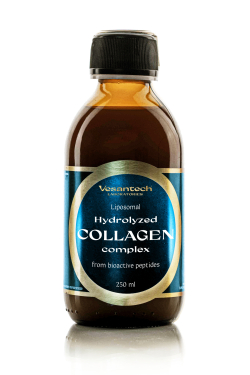
- Biotin, niacin, vitamin B2, vitamin A, and zinc contribute to the maintenance of normal skin. Biotin and zinc are found in Liposomal Peptides for Collagen Stimulation, while biotin, niacin, vitamin B2, and zinc are found in Liposomal Multivitamin.
- Vitamin C contributes to normal collagen formation for normal skin function.
Find more products in the Skin category.
When to See a Doctor
- If your symptoms persist, recur, or are severe.
- If you don’t know what’s triggering the inflammation, a dermatologist can perform patch tests.
- If you develop oozing areas, scabs, pus, or a fever—it may be an infection.
Frequently Asked Questions About Dermatitis
What is the difference between dermatitis and eczema?
These terms are often used interchangeably. Atopic dermatitis and atopic eczema are the same condition. Contact dermatitis is a type of eczema triggered by contact with a specific substance.
Is dermatitis contagious?
No. Dermatitis is not an infection and is not spread by touch. However, if an infection develops on the affected area, it should be treated by a doctor.
What vitamins are good for dermatitis?
Biotin, niacin, vitamin B2, vitamin A, and zinc help maintain healthy skin. You can find them, for example, in Liposomal Multivitamin. However, vitamins are no substitute for regular moisturizing and avoiding triggers.
How often should you moisturize your skin?
As often as possible, at least twice a day, and even after the skin has improved.
What helps with dermatitis on the hands?
Wear gloves when cleaning and washing dishes, use a mild cleanser instead of soap, and apply cream after every time you wash your hands. If the symptoms persist, see a dermatologist.
Sources
- NHS – Contact dermatitis: https://www.nhs.uk/conditions/contact-dermatitis/
- NHS – Atopic eczema: https://www.nhs.uk/conditions/atopic-eczema/
- Commission Regulation (EU) No. 432/2012 – List of permitted health claims: https://eur-lex.europa.eu/legal-content/EN/TXT/PDF/?uri=CELEX:32012R0432