SK
 CZ
This problem has become significantly more widespread in recent years, which is linked to modern dietary habits, high intake of processed and fermented foods, chronic stress, and the use of medications that can block the activity of the DAO enzyme.
Symptoms of Histamine Intolerance—How to Recognize It
Histamine intolerance can manifest with a wide variety of symptoms, which often complicates an accurate diagnosis. The most common gastrointestinal symptoms include bloating, abdominal cramps, diarrhea or alternating constipation, a feeling of fullness even after small meals, and stomach pain after consuming certain foods. Skin symptoms include redness, itching, and hive-like rashes, particularly on the face and décolletage, though they can also occur on other parts of the body. Neurological symptoms are often underestimated and include headaches, migraines, fatigue, difficulty concentrating, and, in some cases, anxiety or depressive moods. Respiratory and cardiovascular symptoms may include a stuffy nose, cough, shortness of breath, rapid heartbeat, or a sensation of heart palpitations.
- Gastrointestinal: bloating, cramps, diarrhea, stomach pain after eating.
- Skin: redness, itching, hive-like rashes.
- Neurological: headaches, migraines, fatigue, difficulty concentrating.
- Respiratory: stuffy nose, cough, shortness of breath.
- Cardiovascular: rapid heartbeat, low blood pressure.
Causes and Mechanisms of Histamine Intolerance
The main cause of histamine intolerance is insufficient activity of the enzyme diamine oxidase (DAO), which is produced in the enterocytes of the small intestine and is responsible for breaking down histamine from food. This activity can be reduced by various factors, such as genetic predisposition, inflammatory bowel diseases, the use of certain medications (particularly ACE inhibitors, nonsteroidal anti-inflammatory drugs, and, paradoxically, antihistamines), or chronic stress.
Another important factor is gut dysbiosis—an imbalance in the microbiota in which histamine-producing bacteria outnumber those that break it down. Hormonal changes, particularly in women during menstruation or menopause, can also affect DAO activity and thereby worsen symptoms of intolerance.
Foods High in Histamine
Histamine occurs naturally in many foods, and its concentration depends on how the food is processed, stored, and how fresh it is. Fermented products such as sauerkraut, kimchi, kombucha, aged cheeses, wine, and beer have the highest histamine content. Smoked and processed meats contain histamine as well as other biogenic amines, which can worsen symptoms. Fish and seafood, if not fresh enough, can contain large amounts of histamine due to bacterial fermentation.
Some fruits and vegetables naturally contain histamine or promote its release—the most problematic include tomatoes, spinach, avocados, bananas, strawberries, and citrus fruits.
- Fermented foods: sauerkraut, cheese, wine, beer, kombucha.
- Meat: smoked meats, salami, canned meats.
- Fish: tuna, sardines, mackerel (if not fresh).
- Fruits/vegetables: tomatoes, spinach, avocados, bananas, and strawberries.
- Guideline values: fermented foods 10–1,000+ mg/kg.

Solutions for histamine intolerance
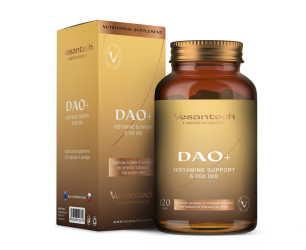
DAO enzyme supplementation is a direct way to address histamine intolerance. Vesantech Diamine Oxidase DAO 6,000,000 HDU is a specialized supplement containing a vegan DAO enzyme derived from peas in an extremely high concentration. Each capsule contains 6 million units of DAO activity, ensuring the effective breakdown of histamine from consumed foods.
The product is enriched with catalase, an enzyme with antioxidant properties that protects cells from damage caused by free radicals. Best results are achieved by taking one capsule 15–20 minutes before a meal that may contain higher levels of histamine.
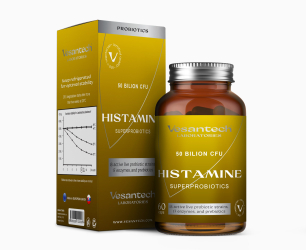
Vesantech Histamine 50 Billion CFU probiotics represent a revolutionary approach to addressing histamine intolerance by modulating the gut microbiota. This product contains 19 specially selected strains of probiotic bacteria that do not increase histamine levels in the body—on the contrary, some of them even have antihistamine properties.
The complex is supplemented with 17 digestive enzymes and prebiotics that support the regeneration of the intestinal mucosa and improve overall digestion. Unlike conventional probiotics, which can worsen symptoms in cases of histamine intolerance, these special strains gradually restore the balance of the microbiota and improve tolerance to a wider range of foods.
- DAO enzyme: 6 million HDU vegan from peas + catalase.
- DAO dosage: 1 capsule 15–20 minutes before a meal containing histamine.
- Probiotics: 19 strains that do not increase histamine levels + 17 enzymes.
- Goal of probiotics: to restore the microbiota and gradually improve tolerance.
How to Properly Combine Products and Develop a Strategy
The most effective approach is to combine the DAO enzyme for immediate relief in acute situations with long-term supplementation of specialized probiotics for systemic improvement. DAO is taken as needed before meals that may contain histamine, while probiotics are taken regularly to restore healthy gut microbiota.
It is important to introduce these gradually—start with probiotics in smaller doses and slowly increase them while monitoring the body’s response. When combining these products, patience is key, as improving the microbiota and gut function can take several weeks to months.
Frequently Asked Questions and Important Distinctions
One of the most common mistakes is confusing histamine intolerance with an allergy. While an allergy is an immune system reaction involving the release of histamine from mast cells, intolerance is a problem with the inadequate breakdown of histamine already present in food. Therefore, antihistamines, which help with allergies, often do not help with intolerance; in fact, they may even block the activity of the DAO enzyme and worsen the condition.
Common probiotics are not suitable for histamine intolerance because most strains, such as Lactobacillus casei or L. rhamnosus, produce histamine and can worsen symptoms. The DAO enzyme does not help with true allergies, but only with intolerance, which is why proper diagnosis is important. Improvement may take weeks to months, with gastrointestinal symptoms improving first and other symptoms later.
- Is HIT the same as an allergy? NO—different mechanism, different treatment.
- Do antihistamines help? NO—they may even block DAO.
- Can I take regular probiotics? NO—most of them increase histamine levels.
- How long should I wait for improvement? Weeks to months of gradual progress.
Practical Tips for Living with Histamine Intolerance
Keeping a food diary is an essential tool for identifying problematic foods and tracking your progress. Record not only what you ate, but also when, in what combination, and how you felt afterward. When shopping, choose fresh foods over processed ones, and always read the labels—many additives may contain or release histamine.
Store food properly and consume it as fresh as possible, because histamine continues to form even after a food has been picked or slaughtered. When traveling or eating away from home, always take a DAO enzyme supplement and choose simple, fresh meals over complex or fermented dishes.
When to See a Doctor and Diagnostic Options
If symptoms of histamine intolerance significantly affect your quality of life, seek professional help. Diagnosis involves measuring DAO enzyme activity in the blood or, if necessary, a histamine challenge test under medical supervision. Differential diagnosis is important to rule out other conditions such as food allergies, celiac disease, or irritable bowel syndrome. Warning signs that require immediate medical attention include difficulty breathing, a significant drop in blood pressure, severe abdominal pain, or widespread skin reactions.
Conclusion and the Path to Improvement
Histamine intolerance is not a one-time problem that can be solved overnight, but a chronic condition requiring a comprehensive and patient approach. The combination of the DAO enzyme for immediate relief and specialized probiotics for long-term improvement represents the most effective strategy. With a proper understanding of the problem, high-quality products, and gradual lifestyle changes, most people can achieve a significant improvement in their quality of life.
Start addressing histamine intolerance today—with a comprehensive DAO + probiotics approach for histamine and expert advice from Zdravý Svet.