SK
 CZ
Symptoms of a yeast overgrowth
- Vaginal yeast infection —itching and burning, thick white discharge without a strong odor, pain during sex or urination.
- In men— redness, itching, and a white coating on the glans.
- In the mouth (thrush)— white patches on the tongue and mucous membranes, burning sensation, altered sense of taste. More common in infants, the elderly, among denture wearers, and after using inhaled corticosteroids.
- On the skin— red, itchy patches in skin folds, under the breasts, and in the groin.
Bacterial infections or sexually transmitted diseases can also cause similar symptoms. Therefore, see a doctor at the first sign of symptoms.
Why Yeast Overgrowth Occurs
According to the NHS, the risk increases if:
- you are taking or have recently taken antibiotics,
- you are pregnant,
- you have diabetes that isn’t well-controlled,
- you have a weakened immune system,
- you are taking hormone replacement therapy.
A warm, moist environment, tight synthetic clothing, and perfumed intimate hygiene products can also contribute. We discuss yeast and fungi in more detail in the article “Fungi—Our Friends, but Also Our Enemies.”
What Helps
- Treatment with antifungal medication —you can get vaginal tablets, creams, or oral tablets over the counter at a pharmacy. Symptoms usually subside within 7–14 days (NHS).
- Gentle hygiene— wash your intimate areas with water or a mild emollient, not soap or shower gel. Avoid vaginal douches and intimate deodorants.
- Wearcotton underwear and loose-fitting clothing; change out of wet swimwear immediately.
- Manage diabetes —yeast thrives in high blood sugar levels. See the Diabetes category for more information.
Antifungal creams can damage condoms and diaphragms—use alternative protection during treatment.
Probiotics for Yeast Infections
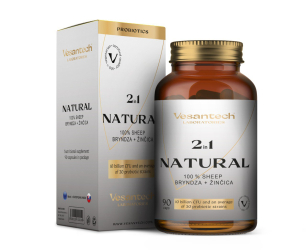
A healthy vaginal environment is naturally acidic and dominated by lactobacilli. That’s why women who have taken antibiotics or experience recurrent symptoms often seek out probiotics containing lactobacilli. The Vesantech Vaginal Probiotics product contains 27 strains, including Lactobacillus crispatus, L. rhamnosus GG, and L. gasseri. Vesantech Universal is designed for the overall gut microbiota, while Vesantech Natural contains traditional Slovak strains derived from bryndza.
Probiotics do not have approved health claims in the EU and are not a substitute for treatment of yeast infections. Choose them based on specific strains and CFU counts. Learn more in the article “Myths and Facts About Probiotics” and in the “Probiotics” category.
Diet and Yeast
The so-called Candida diet—which excludes sugar, baked goods, and fruit—is popular, but its benefits have not been scientifically proven. It makes sense to limit sweets and sugary drinks, eat plenty of vegetables and fiber, and, if you have diabetes, maintain stable blood sugar levels. We do not recommend strict elimination diets without professional supervision.
When to See a Doctor
According to the NHS, see a doctor if:
- you’re experiencing symptoms for the first time,
- you are pregnant or breastfeeding,
- over-the-counter medication hasn’t worked,
- you have a weakened immune system, such as from chemotherapy or diabetes,
- you are under 16 or over 60,
- the infection keeps coming back.
Frequently Asked Questions About Yeast Infections and Candida
Which probiotics are best for yeast infections?
Women most often choose probiotics containing lactobacilli, which are a natural part of the vaginal environment, such as Vesantech Vaginal with the strains L. crispatus, L. rhamnosus GG, and L. gasseri. Probiotics are not a substitute for antifungal treatment.
What is Candida?
Candida albicans is a yeast that normally lives in the body. Candidiasis is an infection in which the yeast overgrows—most commonly in the vagina, mouth, or on the skin.
What tea is good for yeast infections?
No tea can cure a yeast infection. As part of a healthy hydration routine, people traditionally drink cistus, for example—we offer it as Cistus Juice. If you have symptoms of an infection, you’ll need an antifungal medication from the pharmacy.
What herbs are good for Candida?
Traditionally, cistus, wormwood, yarrow, and oregano are mentioned. Their effectiveness against Candida in humans has not been confirmed. Do not take wormwood during pregnancy or for long periods of time.
Can a yeast infection be transmitted to a partner?
A yeast infection is not a sexually transmitted disease, but it can be transmitted during sex. If your partner has symptoms, they should also be treated.
Sources
- NHS – Thrush in men and women: https://www.nhs.uk/conditions/thrush-in-men-and-women/