SK
 CZ

You may have heard that it is also a systemic autoimmune disease. Rheumatism most commonly affects the joints, but it can also affect the cardiovascular system, and it can even affect the eyes. What will you learn in this article about rheumatism?
> What is rheumatism?
> What are the symptoms and signs of rheumatism?
> Treatment of rheumatism
> Everything about herbs for rheumatism
> Rheumatism and St. John’s wort oil
> Rheumatism and diet
> Rheumatism and rehabilitation
What is rheumatism?
Rheumatism is by no means a disease of the elderly; rather, it affects a very large number of people in their early working years.
A former colleague had long-standing eye problems. Every once in a while, one of his eyes would become so inflamed that he couldn’t see out of it for a week or two, and then, all of a sudden, the inflammation would go away. Years later, he was diagnosed with rheumatism. Later, the inflammation began to gradually spread from his eyes to all his joints.
Medical science cannot identify the cause of rheumatism and speaks of it only in general terms, suggesting it may be hereditary, caused by stress, or influenced by bacterial infections or hormonal disorders. The truth, however, could lie anywhere, but that does not help with treatment.
The inflammatory process most commonly affects the joint linings and tendons, so this is precisely where treatment should focus. Inflammation can lead to the complete destruction of the joints.
Such severe rheumatoid symptoms can also be observed in cases of severe bacterial Lyme disease infection; therefore, if you have these problems, it is always essential to rule out Lyme disease. If the infection is confirmed, intensive anti-Lyme therapy must be initiated. Read more in our article on natural treatments for Lyme disease.

Rheumatism: Its Symptoms and How It Manifests?
- Joint pain and swelling—the pain varies in intensity and radiates into the tissues and muscles surrounding the affected joint; it is particularly worse in the morning,
- stiffness in the joints even at rest; the tendons in the fingers and toes may also be stiff,
- pain in the hands and feet similar to that caused by viral infections, but lasting much longer,
- symmetrical, warm, reddened joints in both limbs,
- erosion and decalcification of joint structures visible on X-rays.
The initial symptoms may not be typical; they may resemble a common viral infection, and the characteristic symptoms of rheumatism do not appear until a later stage.
Treatment of rheumatism and what medications are used?
Rheumatoid pain occurs in waves, alternating between periods of lower and higher intensity. Treatment must be intensive. Conventional medicine focuses on immunosuppressants, which suppress the excessive activity of the immune system as it attacks the body’s own tissues; corticosteroids or nonsteroidal anti-inflammatory drugs(NSAIDs) are also administered, or patients may undergo biologic therapy.
Untreated rheumatism often leads to disability, so it should not be underestimated. The purpose of this article is not to describe the medical treatment of rheumatism. We will focus on how to help yourself using nature and herbs—that is, on supportive herbal treatment for rheumatism.

What helps with rheumatism?
Above all, a comprehensive approach helps with rheumatism, and that is the most important thing. An inadequate or weak treatment regimen for rheumatism usually leads nowhere. Therefore, I recommend a consistent combination of herbs, vitamins, and minerals, but changing dietary habits and lifestyle is also important.
Herbs for Rheumatism
The foundation of herbal treatment consists of tinctures made from alder (P36), poplar (T42), white willow (P49), elm (T56), and Jewish cherry (T47). These herbs have anti-inflammatory properties and also help cleanse the joints. This is extremely important in the treatment of rheumatism.
For acute inflammation, I recommend a combination of poplar and alder, followed one hour later by a combination of meadowsweet and white willow or meadowsweet and Jewish cherry. You’ll need to experiment to see which combination works best for you.
Once the acute inflammation subsides, elm usually suffices in combination with Jewish cherry.
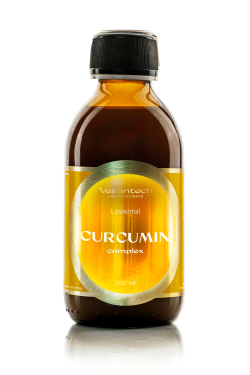
Often, the herbs alone provide significant relief from rheumatism. However, we recommend taking them together with liposomal curcumin, which suppresses inflammatory processes in the body.
Some people take only turmeric, but the bioavailability of turmeric in our bodies is very low, which is why we recommend liposomal preparations.
If joint structures are damaged, we add theP9 currant-pine-grapevine tincture to the herbs mentioned above; it has a broad-spectrum effect and helps make joint movement less painful.
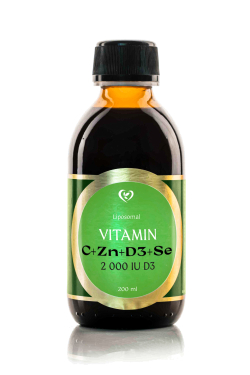
An extremely important vitamin supplement is the liposomal vitamin complex C+Zn+D3. Always include it along with the herbs. You can alternate it with natural calcium.
If joint structures are damaged, be sure to supplement with liposomal collagen—preferably the liposomal form.
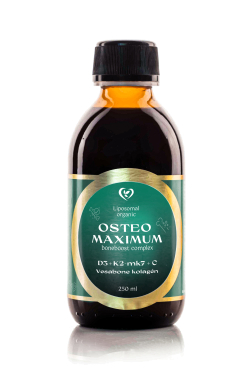
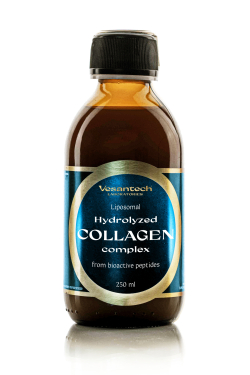
Liposomal bioactive peptides to stimulate collagen in joints and tendons.
Rheumatism and St. John’s Wort Oil
St. John’s wort oil is very suitable for external use on affected joints in cases of rheumatism. However, we recommend combining it with Sustarad cream and magnesium oil. Apply all three products to the affected joint, cover with plastic wrap, and let it sit for at least an hour a day. After removing the plastic wrap, gently massage it into the skin.

Rheumatism and Diet
For rheumatoid arthritis, in addition to herbal treatment, we recommend adjusting your diet and fluid intake to help the herbs cleanse the joints.
Therefore, increase your fluid intake; you can also drink a specially blended rheumatic tea made from anti-rheumatic and cleansing herbs. Alternate this tea with Himalayanslesak tea. Also add black elderberry juice, which is particularly helpful for rheumatoid pain. You can also make jam from elderberries in the summer.
When rheumatism is in an acute, flare-up phase, we recommend completely eliminating meat, meat products, and smoked meats from your diet . During this time, follow a vegetarian diet for two weeks, to which you can add cayenne pepper or chili peppers with ginger. Capsaicin from chili peppers is effective for rheumatism, so if you have this condition, you should really learn to eat chili peppers.
You can manage rheumatism not only through a carefully chosen diet and a healthy lifestyle, but also by avoiding foods that should be avoided when you have rheumatism. In addition to the meat mentioned above, eliminate processed foods from your diet and limit sweets and products containing corn syrup. A varied diet for rheumatism should include vegetables, fruits, nuts, and whole-grain breads and pasta. You can try the Mediterranean diet, for example. You can also enjoy your favorite coffee, but limit yourself to 1 to 2 cups a day.

Rheumatism and Rehabilitation
To conclude our article, here are a few more tips on what you can do as part of your rehabilitation.
- If you’re overweight, I recommend significant weight loss to reduce the strain on your joints, which will in turn help alleviate your pain. Significantly limit your intake of bread and all leavened products; this will help you lose weight more quickly.
- If you have rheumatism, never stop moving—as long as the activity is appropriate for your health condition, of course. The worst thing you can do is stop moving altogether. Even if the exercises hurt, your condition will improve over time.
- Warm up your joints and tendons daily.
- Outside of the acute phase, I recommend swimming as part of your rehabilitation, as it gently exercises all your joints and tendons.
- If you have acute joint inflammation, apply cold gel packs to the affected joint. Buy a gel pack for cold compresses at the pharmacy and apply it to the inflamed joints.
- If the inflammation is not acute, apply warm compresses to the affected joints instead. You can buy microwaveable heating pads to apply to your joints.
- You can rub the joints externally with St. John’s wort oil or magnesium oil, and then apply Sustarad cream—which contains extracts from more than 30 medicinal plants—to the affected joints.
Rheumatism is an incurable disease, so you need to manage it depending on what stage it’s in. By following the advice above, we can even bring rheumatism into so-called remission—meaning it will be in a dormant state and won’t necessarily cause you constant problems and pain. That’s the goal. You certainly won’t help yourself by relying solely on the disease to heal on its own. No, you must learn to live with it and take preventive measures so that it remains in remission for as long as possible and so that you can live as full a life as possible even with it.
I hope my advice will help you with this.

Photo: Dr. Manuel González Reyes, Septimiu Balica, StockSnap, Nattanan Kanchanaprat from Pixabay