SK
 CZ

After the first drink, you feel like you’ve finally let loose. In reality, your brain has started to slow down—and the first brakes to loosen are the ones that keep your behavior in check. Take a look at what alcohol does to your memory and sleep, and what regular drinking does to your brain.
Many people say that their first drink “gives them a boost.” They become more talkative, bolder, and in a better mood. It looks like a boost, but the exact opposite is happening. Alcohol is one of the substances that depress the nervous system.
In Slovakia, the average adult consumes 9.5 liters of pure alcohol per year, which is slightly below the EU average. With parties and holidays approaching, now is a good time to take a look at what’s really going on in our heads when we drink.
First Drink: The Brain Doesn’t Speed Up—It Slows Down
The brain functions thanks to a balance between signals that excite nerve cells and signals that inhibit them. The main inhibitory neurotransmitter is GABA (gamma-aminobutyric acid), and the main excitatory one is glutamate.
Alcohol interferes with both at once. It enhances the effect of GABA on its receptors while simultaneously weakening glutamate transmission via NMDA receptors. The brain thus receives more “slow down” signals and fewer “work” signals.
So where does the good mood come from? Alcohol releases dopamine and the body’s own opioids in the reward center. The brain therefore remembers drinking as a pleasant experience and entices you to repeat it. If you’re interested in how the brain applies the brakes and what overloads it even without alcohol, read the article “When the Brain Stops Applying the Brakes.”
Why You Feel Relaxed: You’re Turning Off Your Own Inhibitions
The feeling of “I’ve finally let loose” has a simple explanation. Alcohol lowers inhibitions and impairs judgment, even though it initially has a stimulating effect. It loosens the very control that normally weighs whether something is appropriate, safe, or reasonable.
In addition, alcohol disrupts the activity of the amygdala—the part of the brain that assesses danger. That’s why, after a few drinks, an idea that you would reject while sober suddenly seems reasonable.
The tricky part is that you don’t notice these changes. Your decision-making ability and the skills needed to drive begin to deteriorate long before visible signs of intoxication—such as slurred speech—appear. Someone who claims, “I’m fine,” is often no longer capable of judging that for themselves.
More Drinks: Reaction Time, Coordination, and Judgment
With each additional drink, reaction time slows, coordination worsens, and behavior becomes less controlled—sometimes even aggressive. As drinking continues, slurred speech and loss of balance set in.
The effects don’t end with the last drink. Alcohol that remains in the stomach and intestines continues to be absorbed into the bloodstream. Judgment and coordination can therefore remain impaired for several hours after you’ve stopped drinking.
Coffee Won’t Sober You Up
Caffeine can ward off drowsiness, but it has no effect on decision-making or coordination. When its effects wear off, the fatigue from alcohol is compounded by fatigue from the coffee. There is no quick way to sober up—only time helps.
A Memory Gap: What Happens in the Hippocampus
The hippocampus is the part of the brain that converts short-term experiences into long-term memories. A sufficient amount of alcohol temporarily blocks this process. The result is a blackout—a gap in memory for events that occurred while intoxicated.
During a blackout, a person is awake, talking, walking, and acting. However, their brain is not forming new memories. In the morning, there is nothing to recall—the memory was never stored in the first place.
Experts distinguish between two types of blackouts:
- A partial blackout is more common. Memories are fragmented, with gaps in time between them. Sometimes part of the memory comes back when someone reminds you of what happened.
- A complete blackout means a loss of memory, often lasting several hours. Memories are not formed and usually cannot be recovered.
Blackouts usually begin at a blood alcohol level of around 1.6 per mille. That is nearly double the limit many countries consider the legal limit for driving. They are more likely to occur when the blood alcohol level rises rapidly—such as when drinking on an empty stomach or having many drinks in a short period of time. Women reach higher blood alcohol levels after consuming the same amount of alcohol because, on average, they weigh less and have less body water. If sleeping pills or anti-anxiety medications are taken at the same time, a blackout can occur even at much lower levels.
Memory doesn’t start to suffer only when you reach the “blackout” threshold. Even a small amount of alcohol slightly impairs memory, and the impairment becomes more pronounced with each additional drink.
Alcohol and Sleep: You Fall Asleep Faster, but Rest Less Well
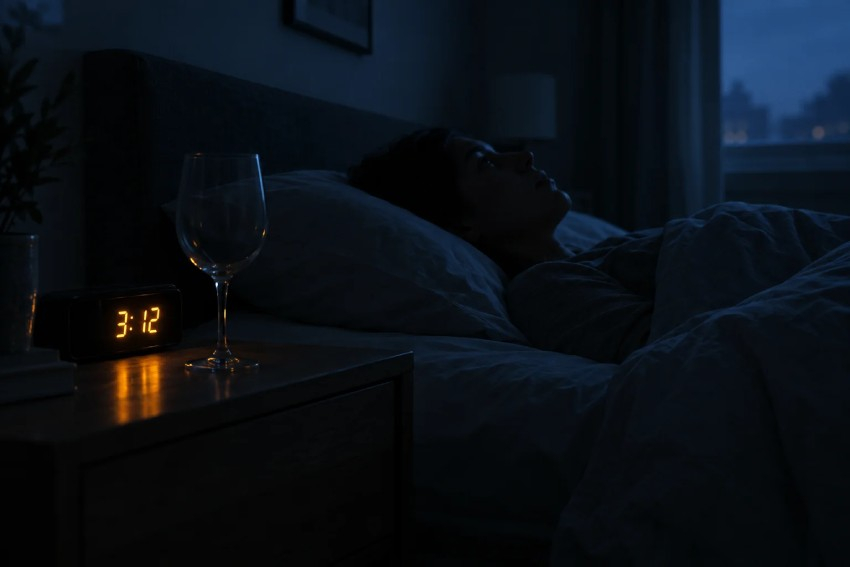
A drink “to help you sleep better” is one of the most common misconceptions. A review of 20 studies involving healthy volunteers confirmed that alcohol, at any dose, shortens the time it takes to fall asleep. Sleep tends to be deeper during the first half of the night. In the second half, however, it becomes disrupted, and the onset of the REM phase—during which dreaming occurs—is delayed. At higher doses, the total amount of REM sleep over the entire night is reduced.
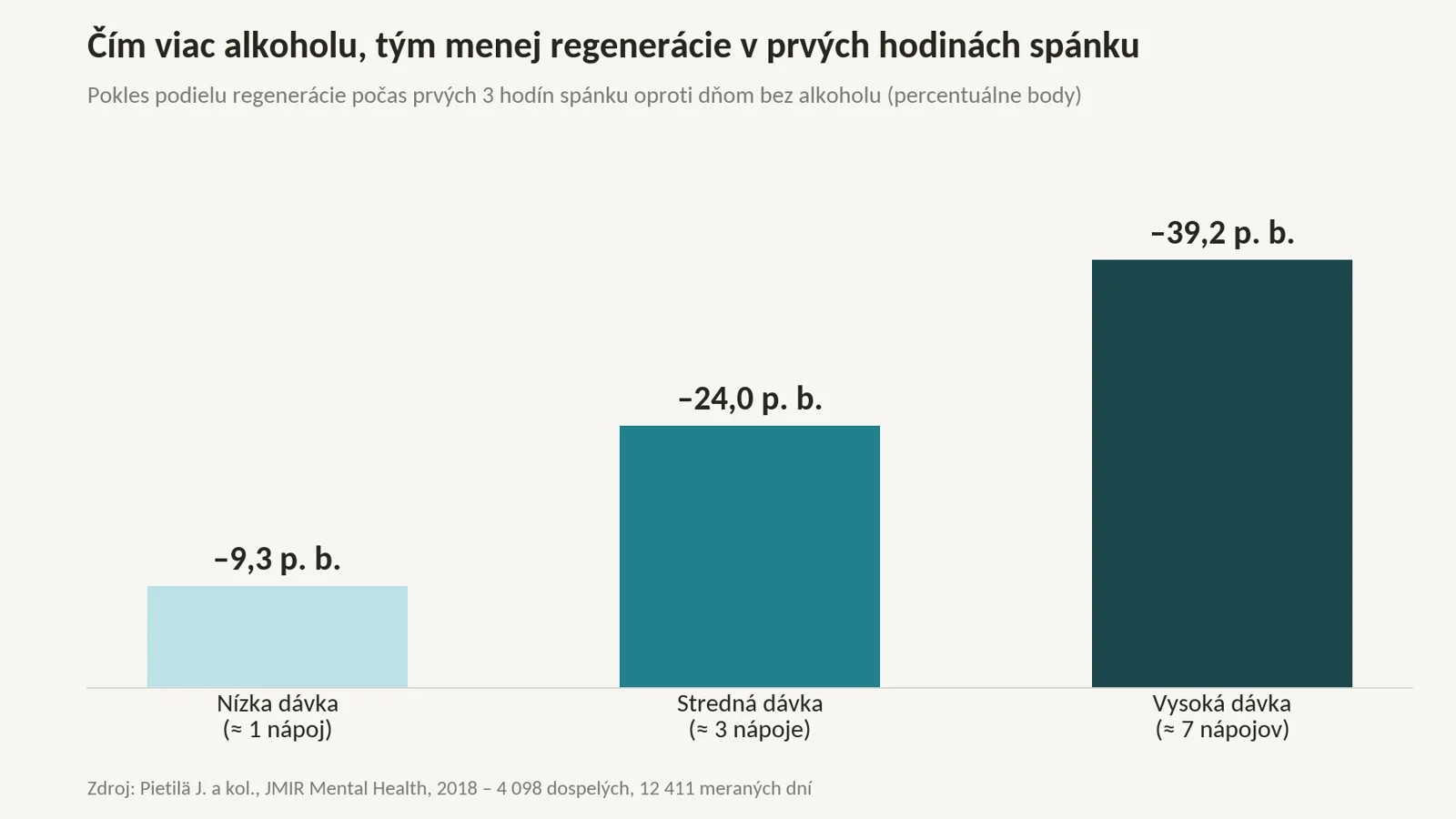
A Finnish study monitored the heart activity of 4,098 adults continuously during their daily lives. It compared nights after drinking with alcohol-free nights in the same individuals. Even at a low dose—an average of one drink—the proportion of restorative sleep during the first three hours of sleep decreased by 9.3 percentage points. At a moderate dose (about three drinks), it decreased by 24 points, and at a high dose (about seven drinks), by 39.2 points.
An analysis of data from wearable devices worn by nearly 21,000 people yielded similar results. With each drink above the average, heart rate increased during the night, heart rate variability decreased, and sleep duration shortened. These effects were more pronounced in women and younger adults.
If you feel tired after a night out, even though you slept for eight hours, it’s no coincidence. Instead of resting, your body spent part of the night processing alcohol.
What Regular Drinking Does to the Brain Over the Long Term
The short-term effects fade away. With regular drinking, however, changes occur in the brain that are even visible on an MRI.
A British study followed 550 adults for 30 years. People who drank 14–21 British units per week were 3.4 times more likely to experience atrophy of the right hippocampus compared to abstainers. For those consuming more than 30 units per week, the risk was 5.8 times higher. The protective effect of small amounts of alcohol compared to abstinence was not confirmed. One British unit contains 8 g of alcohol; 14–21 units therefore correspond to approximately 7–10 large beers per week.
An even more extensive analysis of 36,678 people from the UK Biobank database found that higher alcohol intake is associated with smaller brain volume and poorer white matter structure. The association was already evident with just one to two units per day and became stronger with increasing alcohol intake. These are observational studies that show an association, not a direct cause. However, their findings point in the same direction.
In 2023, the World Health Organization stated that there is no amount of alcohol that is safe for health. The risk begins with the first drop and increases with every additional drink.
The good news is that the brain can partially recover. A growing number of studies suggest that some changes associated with excessive drinking improve—and may even be reversed—after months of abstinence.
Vitamin B1 and magnesium: nutrients depleted by drinking
Alcohol doesn’t just affect the brain directly. With long-term excessive drinking, the supply of nutrients needed by the nervous system also suffers.
Vitamin B1 (thiamine). In people with alcohol dependence, a poor diet impairs the intestine’s ability to absorb thiamine from food. Severe thiamine deficiency, combined with alcohol-induced brain damage, leads to Wernicke-Korsakoff syndrome, which can cause permanent memory impairment. This is a serious condition that is treated by a doctor, not a dietary supplement.
Magnesium. A meta-analysis found that people with chronic heavy drinking have significantly lower blood magnesium levels. Under the influence of alcohol, the kidneys excrete magnesium in the urine even when the body needs to conserve it. In one study, kidney function and magnesium levels returned to normal about four weeks after stopping alcohol consumption. We’ve written a separate article about why magnesium deficiency is more common than we think.
If you want to supplement your intake of these nutrients, you can try the following dietary supplements:
- Liposomal Mega B-Complex Forte contains 3.2 mg of thiamine and other B vitamins in a daily dose. Thiamine contributes to the normal functioning of the nervous system and normal mental performance. Vitamins B6 and B12 help reduce exhaustion and fatigue.
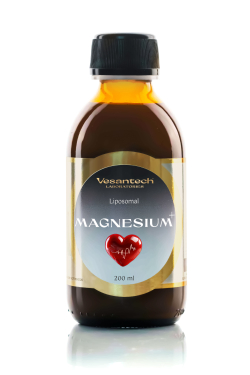
- Liposomal Magnesium provides 120 mg of magnesium per daily dose. Magnesium contributes to the normal functioning of the nervous system, helps reduce exhaustion and fatigue, and helps maintain electrolyte balance.
Let’s be honest: no supplement can counteract the effects of regular drinking or allow you to drink without risk. The greatest benefit to your brain comes from drinking less alcohol.
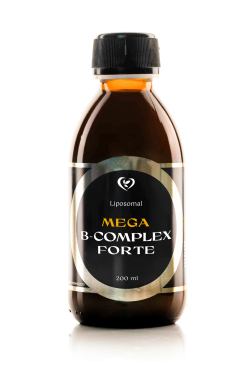
Liposomal Vitamin B Complex Forte with High Bioavailability
What about the liver?
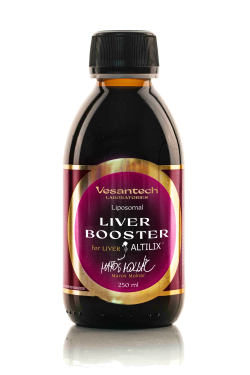
Alcohol is primarily processed by the liver, and regular drinking is one of the causes of liver cirrhosis. You can read more in the article about how liver cirrhosis develops. The herbal supplement Liver Booster contains milk thistle, artichoke, turmeric, glutathione, and selenium. Selenium helps protect cells from oxidative stress. However, even a supplement like this won’t eliminate alcohol from the body any faster or counteract its effects.
How to Unwind Without Alcohol

The statement “alcohol helps me unwind” is only partially true. Alcohol doesn’t just dull stress. It also dulls self-control, memory, and sleep quality—things you wouldn’t want to lose. If you drink, these guidelines will reduce the risk:
- Don’t drink on an empty stomach. Food slows absorption, so your blood alcohol level won’t rise as quickly.
- Drink slowly and have water or a non-alcoholic beverage between drinks.
- Don’t mix alcohol with sleeping pills or anti-anxiety medication. Even a small amount of this combination can cause memory lapses.
- Don’t get behind the wheel the morning after a night out if you’ve had a lot to drink. Alcohol is eliminated from the bloodstream slowly.
- Treat yourself to alcohol-free days during the week to give your body and sleep a break.
If you’re looking for an evening ritual to replace that drink, try herbal tea, a warm shower, a walk, or a few minutes of slow breathing. A regular bedtime also helps.
If you still have trouble sleeping even on alcohol-free days, check out our dietary supplements for better sleep. Liposomal Good Sleep contains 1 mg of melatonin, which helps reduce the time it takes to fall asleep when taken shortly before bedtime. It also contains vitamin B1, which supports normal mental function. The manufacturer recommends avoiding activities that require increased attention after taking this product. If you are taking sleeping pills, sedatives, or antidepressants, consult your doctor before use. This product is not intended for children, pregnant women, or nursing mothers. Do not combine Good Sleep with alcohol—it is intended for evenings when you are not drinking.
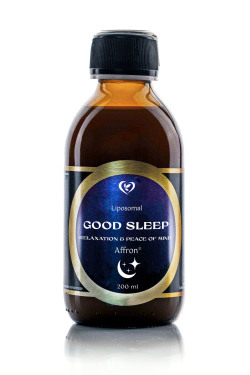
For natural support of falling asleep, deep sleep, and recovery during sleep.
When to Seek Help
If you repeatedly experience memory lapses, if you can’t fall asleep or relax without alcohol, or if you’re drinking more than you intended, talk to your primary care physician. They can help you find further professional assistance. In a difficult situation, you can also call the Nezábudka Helpline toll-free.
Frequently Asked Questions About Alcohol and the Brain
Is one glass of wine a day okay for the brain?
Studies do not confirm this. In an analysis of 36,678 people, even consuming one to two units of alcohol per day was linked to a smaller brain volume. According to the WHO, there is no amount of alcohol that is safe for your health.
Why can’t I remember what happened after drinking?
Alcohol temporarily blocks the hippocampus, which stores experiences in long-term memory. During a blackout, you’re awake and acting, but memories aren’t being formed. Blackouts typically begin at a blood alcohol level of around 1.6 per mille.
Does coffee help you sober up?
No. Caffeine can reduce drowsiness, but it doesn’t eliminate alcohol’s effects on judgment and coordination. Only time helps you sober up.
Why do I wake up at night after drinking alcohol?
Although alcohol helps you fall asleep faster, it disrupts sleep during the second half of the night and delays the REM phase. In addition, the body regenerates less during the first few hours of sleep, the heart beats faster, and heart rate variability decreases.
Will my brain return to normal if I stop drinking?
At least partially, yes. According to the NIAAA, some changes associated with excessive drinking improve—and may even be reversed—after months of abstinence. The sooner you cut back on drinking, the better.
Can I take a sleep supplement after a night out?
We don’t recommend it. Do not combine supplements containing melatonin or herbal extracts with alcohol. When taking sleep aids or anti-anxiety medications, alcohol increases the risk of memory lapses.
Relaxation That Comes at a Price
Alcohol doesn’t stimulate the brain—it suppresses it. First, it loosens the inhibitions that regulate behavior; then it slows reaction times; and at higher doses, it blocks memory formation. While it may help you fall asleep at night, it robs you of some of your recovery time. With regular drinking, these changes will also affect the brain’s structure. So if you’re drinking during the holidays, drink slowly, not on an empty stomach, and take alcohol-free days in between. And if you want to help your brain as much as possible, put the glass down completely.
Sources
- Yang W. et al., Biomedicines, 2022 – alcohol enhances the effect of GABA on GABA-A receptors, weakens glutamate transmission via NMDA receptors, and releases dopamine in the reward center.
- NIAAA – Alcohol and the Brain: An Overview – memory gaps and the hippocampus, long-term changes in the brain, and partial recovery after months of abstinence.
- NIAAA – Interrupted Memories: Alcohol-Induced Blackouts – two types of blackouts, blood alcohol concentration around 0.16% (1.6 per mille), risk factors, and interactions with medications.
- NIAAA – The Truth About Holiday Spirits – reduced inhibitions and judgment, reaction time, continued absorption after the last drink, and the myth about coffee.
- NIAAA – Alcohol and the Adolescent Brain – the amygdala and perception of danger, feelings of reward, and memory impairment even with small amounts.
- Ebrahim I. O. et al., Alcoholism: Clinical and Experimental Research, 2013 – a review of 20 studies on the effects of alcohol on sleep; summary on ScienceDaily.
- Pietilä J. et al., JMIR Mental Health, 2018 – 4,098 adults, 12,411 days of data: a dose-dependent decline in recovery during the first three hours of sleep.
- Grosicki G. J. et al., PLOS Digital Health, 2026 – 20,968 people: the effect of alcohol on nighttime heart rate, heart rate variability, and sleep duration by age and sex.
- Topiwala A. et al., BMJ, 2017 – 550 adults, age 30: association between alcohol consumption and hippocampal atrophy, with no protective effect of moderate drinking.
- Daviet R. et al., Nature Communications, 2022 – 36,678 people from the UK Biobank: association between alcohol and gray and white matter volume in the brain.
- WHO Europe, 2023 – There is no amount of alcohol that is safe for health.
- OECD – Country Health Profile 2025: Slovakia – consumption of 9.5 liters of pure alcohol per person in 2022.
- NIAAA – Wernicke-Korsakoff Syndrome – the link between thiamine deficiency, alcohol, and memory impairment.
- Vanoni F. O. et al., Nutrients, 2021 – meta-analysis: lower magnesium levels and renal magnesium loss in chronic heavy drinking.
- European Commission – EU Register of Health Claims – approved claims for thiamine, vitamins B6 and B12, magnesium, selenium, and melatonin.