SK
 CZ

When you translate this phrase into Slovak—“eat your way to healthy skin”—it sounds ridiculous. However, science supports the basic idea behind this trend: skin health doesn’t start with a €120 cream, but with what we put into our bodies.
At Zdravý Svet, we’ve been dedicated to natural health products since 2008, and skin care is one of the topics our customers follow most closely. In this article, we’ll give you an overview of what science really says about skin nutrition—without empty promises or marketing clichés.
The Skin as an Organ—Why What You Eat Matters
The skin is the largest organ in the human body. An adult has a skin surface area of 1.5 to 2 m² and a skin weight of 3.5 to 10 kg, which corresponds to about one-seventh of body weight. It consists of three layers—the outer epidermis, which forms a barrier against external influences; the middle dermis, containing collagen, elastin, and blood vessels; and the hypodermis, which is subcutaneous fatty tissue.
The skin regenerates, though not as quickly as is often claimed in advertisements. The epidermal renewal cycle proceeds as follows:
| Age | Epidermal Renewal |
|---|---|
| Teenagers | 14–21 days |
| Young adults (up to age 30) | 28–42 days |
| 30–50 years | 40–56 days |
| Over 50 years old | 60–84 days |
This leads to a simple fact: changes in diet or supplements show up on the skin after 4 to 12 weeks, not after a few days. Any product that promises results “in 24 hours” ignores the basic physiology of the skin.
The Gut-Skin Axis
The skin is not isolated from the rest of the body. There is a direct connection between the gut microbiome and the skin—experts call it the gut-skin axis. Inflammation in the gut can manifest as acne, eczema, psoriasis, or rosacea. Short-chain fatty acids produced by gut bacteria directly regulate skin inflammation.
Vitamin C—Collagen Doesn’t Start in a Test Tube
Vitamin C is an essential cofactor for the enzymes prolyl hydroxylase and lysyl hydroxylase. Without it, the body cannot produce stable collagen—the network that keeps the skin firm and elastic. A study by Pullar et al., published in *Nutrients* (2017), also documents other effects of vitamin C:
- It directly stimulates the genes for type I and III collagen in dermal fibroblasts
- It neutralizes free radicals caused by pollution and UV radiation
- It recycles oxidized vitamin E
- It protects keratinocytes from apoptosis following UV exposure
The recommended daily intake according to the EFSA is 95 mg for women and 110 mg for men. However, 200 to 250 mg per day appears to be more appropriate for optimal tissue saturation. Smokers need an additional 40 mg.
Richest natural sources (mg/100 g):
- Acerola: 1,000–4,500 mg
- Rose hips: 400–2,000 mg
- Black currants: 180–200 mg
- Red bell pepper: 140–190 mg
- Kiwi: 85–100 mg
- Broccoli: 65–110 mg
- Orange: 40–60 mg
How to Supplement Vitamin C Wisely
If you want to ensure your body receives a full dose of vitamin C in a highly bioavailable form, it’s worth choosing liposomal versions—liposomes protect the active ingredient as it passes through the digestive tract, and absorption rates reach up to 90%, compared to 20–30% for regular tablets.
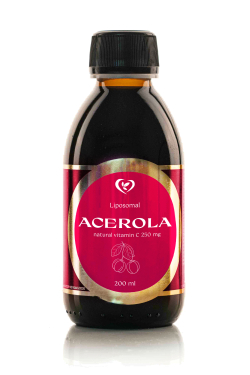
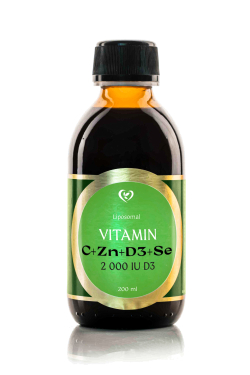
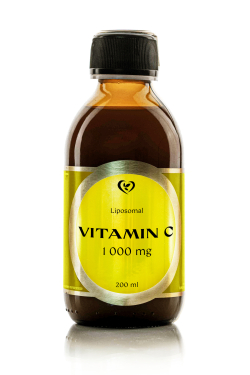
Our product line offers three options to suit your needs. For those who prefer a natural source, we offer Liposomal Acerola —a freeze-dried extract from the tropical acerola cherry, which is one of the richest natural sources of vitamin C available. For higher daily doses , Liposomal Vitamin C 1000 mg is recommended . And if you want to combine vitamin C with other nutrients for both skin health and immunity in a single step, choose Liposomal Vitamin C + Zinc + D3 + Selenium —zinc regenerates the skin, selenium protects against oxidation, and vitamin D3 supports the foundation of immunity.
Omega-3 Fatty Acids—Anti-Inflammatory Protection from Within
EPA and DHA are an integral part of the phospholipid membranes of every skin cell. They directly influence inflammatory pathways: EPA is converted into prostaglandin E3 (less inflammatory), while ordinary arachidonic acid forms prostaglandin E2 (highly inflammatory). In other words: the more omega-3, the less silent inflammation in the skin.
A review study from *Frontiers in Immunology* (2021) confirmed the demonstrable benefits of omega-3s in:
- Atopic dermatitis—doses of approximately 1.8 g EPA + 1.2 g DHA reduce the SCORAD score
- Psoriasis—1,800–5,400 mg of EPA+DHA improves the clinical picture
- Acne—omega-3s reduce IGF-1 and pro-inflammatory cytokines
- Photoprotection—they raise the threshold at which the skin begins to redden
The EFSA recommends 250 to 500 mg of EPA + DHA daily for healthy adults. Higher therapeutic doses are used in studies for skin-related purposes.
The best sources are fatty ocean fish (salmon, mackerel, sardines, herring), seaweed oil for vegans, and, to a lesser extent, flax and chia seeds and walnuts (plant sources contain ALA, which is converted to EPA/DHA to a limited extent).
Targeted Omega-3 Support
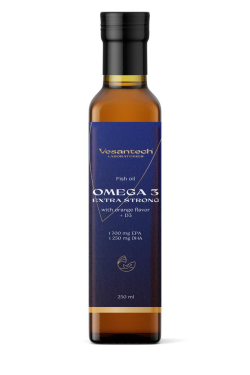
If you want to reliably meet your daily needs with proven quality, we offer three types of omega-3 supplements tailored to specific uses. Vesantech Omega-3 Fish Oil —a premium Norwegian fish oil with a high concentration of EPA and DHA— provides the standard daily dose . For inflammatory skin conditions or periods of increased stress, Omega-3 EXTRA STRONG is recommended , with a daily dose of 2,000 mg EPA + 1,000 mg DHA and oxidation indices well below GOED limits.
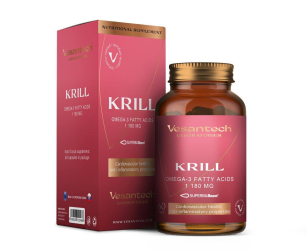
For those seeking maximum bioavailability, there’s Krill Oil EXTRA 1,180 mg. Krill omega-3s are bound to phospholipids, allowing them to penetrate cell membranes even more easily than regular fish oil. Bonus: Krill also naturally contains astaxanthin—a powerful carotenoid that we’ll discuss in the next section.
Omega-3 Fish Oil – High in EPA and DHA for a healthy heart, brain, and eyes.
Premium omega-3 with extra-high levels of 2000 mg of EPA and 1000 mg of DHA. 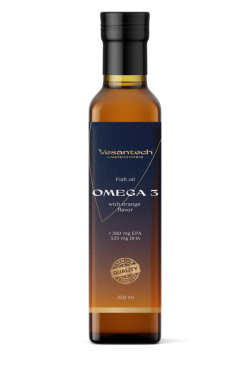
Carotenoids—A Natural Sunscreen on Your Plate
Carotenoids are lipophilic antioxidants that are stored directly in the skin and provide protection against UV radiation and HEV (blue) light from screens. Studies have shown that 25 mg of carotenoids daily for 12 weeks significantly reduced UV-induced erythema. The combination of carotenoids with vitamin E provided greater protection than carotenoids alone.
Lycopene from tomatoes is better absorbed from heat-treated tomatoes (tomato puree, sauce) when combined with fats—heating breaks down cellular bonds and releases the lycopene. While cold tomatoes in a salad are a good choice, cooked tomato sauce with a dash of olive oil is more effective for the skin.
Astaxanthin—the “king of carotenoids”
Astaxanthin is a xanthophyll carotenoid produced by the microalgae Haematococcus pluvialis. It is what gives salmon, trout, shrimp, and krill their characteristic pink color—the fish do not produce it themselves but obtain it from their diet.
When quenching (neutralizing) singlet oxygen, astaxanthin in a lipid environment is, according to an analysis published in *Nutrients* (2018):
- approximately 6,000 times more effective than vitamin C
- approximately 800 times more effective than coenzyme Q10
- approximately 550 times more effective than vitamin E
- approximately 10 times more effective than other carotenoids
In the skin, astaxanthin inhibits the formation of reactive oxygen species, suppresses inflammatory cytokines and MMP-1 (collagenase), activates the Nrf2 pathway—which strengthens the cell’s own antioxidant defense—and reduces UV-induced apoptosis of keratinocytes.
A meta-analysis of 9 randomized controlled trials (Zhou et al., 2021) confirmed a significant improvement in skin hydration and elasticity at doses of 2 to 12 mg of astaxanthin daily for 8 to 12 weeks. The most common dose used in studies is 4 to 6 mg per day. EFSA has classified astaxanthin from H. pluvialis as an approved novel food with a maximum permitted dose of 8 mg/day.
Comprehensive Carotenoid Protection from Within
Carotenoids are among the most powerful nutritional tools for the skin—yet they are often present in insufficient amounts in the typical Slovak diet. That is why we have developed two complexes based precisely on these nutrients.
Vesantech Forever Young combines four carotenoids in a single product —astaxanthin, lutein, zeaxanthin, and beta-carotene. Astaxanthin targets photoprotection and hydration; lutein and zeaxanthin protect against blue light from screens; and beta-carotene supplements the basic protective layer. The complex is suitable for year-round use, but it’s most beneficial in the summer, during frequent sun exposure, while working on a computer, and generally in situations where you want to slow down photoaging.
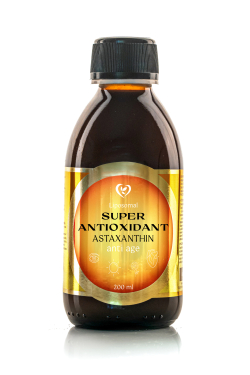
An alternative is the Liposomal SUPER ANTIOXIDANT, which combines astaxanthin with beta-carotene, vitamin E, and biotin—vitamin E and astaxanthin work synergistically, and biotin provides additional support for skin, hair, and nails all in one step.
A premium dietary supplement for youthful, radiant, and firm skin. 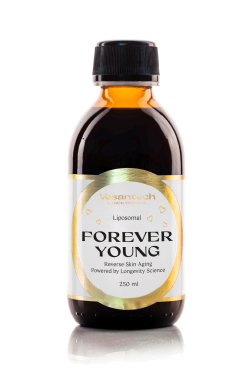
Polyphenols—From Green Tea to Resveratrol
Polyphenols are a vast group of more than 8,000 plant compounds that inhibit enzymes that break down collagen and elastin and reduce inflammation. The best-studied ones for the skin are:
- EGCG from green tea —a randomized study showed that 1 liter of green tea daily (1,402 mg of catechins) reduced UV-induced erythema by 16 to 25% after 12 weeks and improved skin hydration.
- Cocoa flavanols —increase blood flow and oxygenation of the dermis.
- Resveratrol (red grapes, blueberries)—inhibits matrix metalloproteinases and activates the SIRT1 pathway associated with autophagy and cell renewal.
- Anthocyanins (blueberries, blackberries, raspberries) — powerful antioxidants that combat oxidative stress.
- Curcumin (from turmeric)—a powerful anti-inflammatory polyphenol, though it is very poorly absorbed from pure turmeric.
Polyphenol Support in an Absorbable Form
You can obtain small amounts of polyphenols regularly from your regular diet, but it’s difficult to achieve therapeutic doses for the skin through food alone. That’s why targeted concentrates are recommended.
Vesantech Resveratrol 750 mg provides a natural polyphenol derived from grapes in a dose that supports the activation of the SIRT1 pathway, which is associated with autophagy and anti-aging processes in cells.
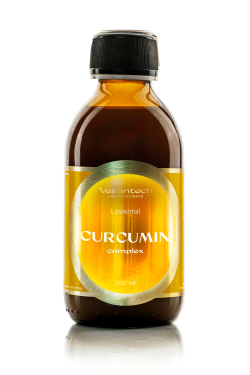
For chronic skin inflammation (acne, eczema, rosacea) , liposomal curcuminis a good choice . Curcumin itself has very low bioavailability, so its absorption from regular turmeric is minimal—the liposomal form solves this problem, allowing curcumin to enter the bloodstream in an effective dose.
Trans RAW Resveratrol—a highly effective source of polyphenols 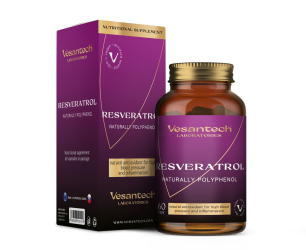
Hydration—Water Your Skin Can Actually Feel
A clinical study by Palma et al. (2015) followed 49 volunteers who added 2 liters of fluids per day to their regular diet. In participants with lower baseline intake (below 3.2 L), superficial facial hydration increased by 40% and deep hydration by 39%. In people with adequate baseline intake, the effects were minimal.
The EFSA recommends 2 liters of fluids per day for women and 2.5 liters for men. About 20 to 30% of fluids come from food—especially fruits and vegetables such as cucumbers, melons, strawberries, citrus fruits, and spinach.
Collagen Peptides and Ceramides—Targeted Skin Support
When taken in the correct quality and dosage, hydrolyzed collagen peptides are one of the best-studied supplements for the skin. A meta-analysis by Pu et al. (2023) in *Nutrients* summarized 26 randomized studies involving 1,721 participants and confirmed significant improvements in both skin hydration and elasticity, particularly with supplementation lasting longer than 8 weeks. The doses tested ranged from 2.5 to 10 g per day.
Ceramides, in turn, make up as much as 50% of the lipid “glue” in the stratum corneum—the outermost layer of the epidermis. A deficiency in ceramides increases transepidermal water loss, and the skin appears drier, more sensitive, and stiffer. Clinical studies with rice-derived ceramides showed a reduction in transepidermal water loss of 37 to 47% after 3 months of taking 40 mg daily.
Three Options to Suit Your Needs
We’ve developed three complementary skin care products in our lineup.
BEAUTY—liposomal peptides and ceramides for beauty —is the flagship product in this category. It combines bioactive collagen peptides in liposomal form with patented CERAMOSIDES™ (phytoceramides clinically tested for skin hydration) in a single formula. The peptides stimulate fibroblasts to produce their own collagen, while the ceramides restore the lipid barrier of the entire skin—not just in the treated areas. Suitable for early wrinkles, loss of elasticity, and drier skin.
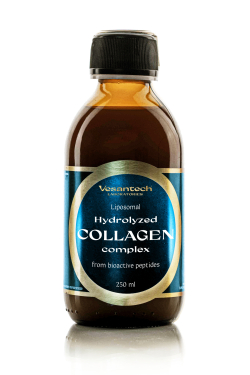
Liposomal bioactive peptides for collagen stimulation are a more targeted option—bioactive collagen peptides in liposomal form without any additional ingredients. They are suitable for those who want short-chain peptides to primarily support collagen in the skin as well as in connective tissues and joints.
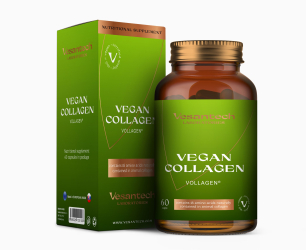
For vegans, Vollagen®is available —a patented blend of 18 amino acids in the same ratio as in human collagen, derived from plant sources. It acts as a building block for the body’s own collagen production.
An ultra-modern approach to skin beauty.
Liposomal bioactive peptides to stimulate collagen in joints and tendons.
Vollagen® is composed of the same 18 amino acids as human collagen. 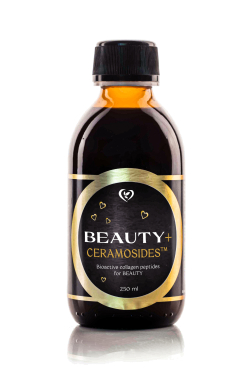
Other Targeted Nutrients for the Skin
In addition to the key players, it’s also worth considering:
- Zinc (8 to 11 mg daily) — for skin regeneration and sebum regulation
- Selenium —key for antioxidant defense; 1 to 2 Brazil nuts a day will cover your daily need
- Vitamin E —the skin’s primary fat-soluble antioxidant, which works synergistically with vitamin C
- Biotin —especially useful in cases of proven deficiency
- Coenzyme Q10 —cellular energy; its natural levels decline after age 40
- Silicon (orthosilicic acid) – a cofactor for collagen synthesis
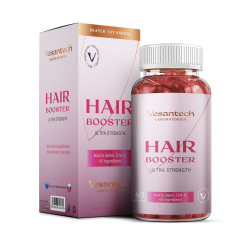
Vesantech HAIR vitamins booster, in the form of gummy candies, provides a comprehensive daily foundation for skin, hair, and nails —containing biotin in a therapeutic dose, zinc, vitamins C and E, B vitamins, and key amino acids for keratin. For advanced anti-aging support after age 40 , Vesantech Conquer™ is recommended , combining Kaneka® Ubiquinol (a bioactive form of coenzyme Q10) with vitamin E and selenium—all three work synergistically to protect mitochondria and cells from oxidation.
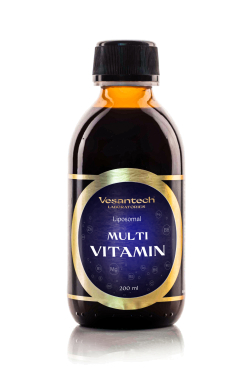
For a basic daily intake of all key vitamins for the skin in a single step ,the Liposomal Multivitaminis available —vitamin C, vitamin E, and B vitamins in one liposomal formula.
Bioactive Coenzyme Q10 Ubiquinol with Vitamin E and Selenium 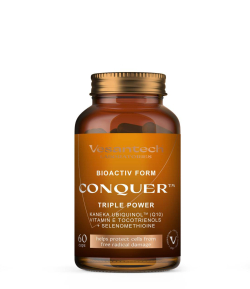
What Harms the Skin—Factors That Hinder Results
Sugar and Glycation (AGEs)
Excessive sugar intake triggers glycation —a non-enzymatic reaction in which glucose binds to collagen and elastin. This produces advanced glycation end products (AGEs), which stiffen collagen fibers and cause the skin to take on a yellowish tint. AGEs accumulate with age, and UV radiation accelerates their formation.
Solution: Reduce your intake of refined carbohydrates, sugary drinks, and ultra-processed foods. Glycation is slowed by vitamin C, vitamin E, polyphenols, exercise, and a Mediterranean-style diet.
Milk, Sleep, Stress, Smoking, Alcohol
- Milk (especially skim milk) raises insulin and IGF-1 levels, which activate pathways that promote acne. For persistent acne, a 6- to 8-week elimination trial is worth trying.
- Sleep —during deep sleep, growth hormone secretion and skin cell regeneration peak. Sleep deprivation increases cortisol, which breaks down collagen. Goal: 7 to 9 hours per day.
- Chronic stress activates the hypothalamic-pituitary-adrenal axis and increases cortisol, which directly breaks down collagen.
- Smoking inhibits collagen production and activates enzymes that break it down. This results in the typical smoker’s wrinkles around the mouth.
- Alcohol dehydrates the skin, interferes with the metabolism of vitamins A and C, and disrupts sleep.
Realistic Expectations
Epidermal renewal takes 28 to 84 days, depending on age. Changes in diet become visible on the skin after 4 to 12 weeks, not after just a few days. Clinical studies on skin supplements (collagen, astaxanthin, carotenoids) typically evaluate results after 8 to 12 weeks of regular use.
No nutrient or supplement is a magic pill. Benefits require consistency and a comprehensive approach. Dietary supplements can never fully replace the nutrients found in whole foods—they serve as a support, not a substitute.
Creams + nutrition from within = the most powerful combination
Dermatologists and researchers agree: topical care and nutrition from within are not competitors, but allies.
- Vitamin C in serum increases collagen synthesis in the dermis from the outside; vitamin C from the diet stimulates it through the bloodstream from the inside.
- Omega-3s in creams improve the epidermal barrier; omega-3s from the diet systemically alter the phospholipid composition of keratinocyte membranes.
- Carotenoids from the diet act as a natural “supplemental filter” that can never replace SPF but supports the skin’s defense against photoaging.
As Dr. Lauren Kole of the University of Alabama at Birminghamnoted on a related topic: “Diet is not a substitute for proper skincare. However, people can supplement their skincare routine with nutrition.”
How to Put All This into Daily Practice
True anti-aging doesn’t start in the bathroom with a cream (though that’s important too). It starts at the cellular level. To put this into practice, you can take the following steps:
- Add 1 to 2 servings of fruit high in vitamin C (kiwi, bell peppers, black currants) to your daily diet.
- Include 2 to 3 servings of fatty ocean fish per week, or consider an omega-3 supplement.
- Carotenoids—carrots, tomato sauce, sweet potatoes, and egg yolks daily.
- Drink 2 liters of water daily, supplemented with fruits high in water content.
- Limit sugar and ultra-processed foods.
- Get 7 to 9 hours of sleep and protect your skin daily with SPF 30 to 50.
Targeted Support from Zdravý Svet
At Zdravý Svet, we approach dietary supplements the same way we approach the rest of our product line—with an emphasis on trusted brands, strict manufacturing practices (GMP certification), and raw materials tested in accredited laboratories.
If we were to recommend a simple pair to start with, they would be:
- Vesantech Forever Young —carotenoid protection against photoaging and oxidation
- BEAUTY—liposomal peptides and ceramides —collagen and ceramides in one step for hydration and elasticity
If you’re unsure which product is best for you, don’t hesitate to contact our free health advisory service. Our experts in herbal medicine and natural therapies will be happy to help you choose what works best for your skin.
Summary
The “eating your skincare” trend isn’t just a TikTok marketing fad. Science confirms that vitamin C, omega-3s, carotenoids, polyphenols, and hydration have a measurable and documented impact on the skin’s hydration, elasticity, and photoprotection. Astaxanthin deserves special attention—meta-analyses confirm it as one of the most effective oral nutraceuticals for the skin.
Your skin is the result of your body’s long-term state—inflammation, blood sugar levels, sleep, UV exposure, and nutrition. Cream applied externally and nutrition from within are a combination that works better than either approach alone. And both take time—at least 8 to 12 weeks—before changes become visible in the mirror.
This article is for informational purposes only and does not constitute medical or dietary advice. If you have skin health issues, consult a dermatologist.
Author: Martin Kolčák, Zdravý svet