SK
 CZ

But there is also a second, much quieter type. It doesn’t hurt. It doesn’t make itself known. For months, often years, you have no symptoms—yet inside, a mild inflammatory fire is “smoldering,” gradually damaging your blood vessels, brain, joints, and the cells themselves. Scientists have named this phenomenon “inflammaging”—a combination of the words “inflammation” and “aging”—and today they consider it one of the main drivers behind why some people in their sixties look and function like they’re in their fifties, while others look and function like they’re in their seventies.
The good news: silent inflammation can be measured with a routine blood test. Even better: it can be specifically addressed—through diet, exercise, sleep, and support for key cellular processes. In this article, we’ll explore exactly what inflammaging is, how to identify it based on hs-CRP levels and other biomarkers, which substances have the strongest evidence in studies—and when it makes sense to turn to a high-quality dietary supplement.
What Is Inflammaging—the Silent Inflammation That Causes the Body to Age “From Within”
The concept of inflammaging was first formulated by Italian immunologist Claudio Franceschi back in 2000. The principle is simple: the aging body gradually loses its ability to “turn off” the inflammatory response. The immune system produces low but chronically elevated levels of pro-inflammatory cytokines (interleukin-6, TNF-alpha) and C-reactive protein (CRP), even in the absence of any acute infection. In studies, this condition is closely linked to the rate of biological aging, cardiovascular disease, sarcopenia (loss of muscle mass), cognitive decline, and type 2 diabetes (Furman et al., 2023, Mol Metab; Faye et al., 2024).
At the cellular level, silent inflammation masks several interconnected processes:
- Mitochondrial dysfunction. Aging cellular “power plants” produce less energy and more free radicals.
- Accumulation of senescent cells —so-called “zombie cells”—which do not divide but continue to secrete inflammatory signals (SASP) (more in our article on zombie cells).
- Protein glycation and the formation of AGEs (advanced glycation end-products), which irritate the immune system.
- Acompromised intestinal barrier— bacterial fragments enter the bloodstream and continuously activate immune cells.
- Chronic stress and sleep deprivation —the cortisol axis disrupts cytokine balance.
A large-scale analysis from a 2025 bibliometric review shows that the number of publications on inflammaging between 2005 and 2024 grew exponentially, and the topic has become one of the most closely followed in geroscience (Jiang et al., 2025). In a 2022 review for the *Journal of Clinical Investigation*, Wilson and Furman link inflammaging to nine of the twelve recognized “hallmarks of aging” (Wilson, 2022, JCI).
Biomarkers of Silent Inflammation—What to Have Tested
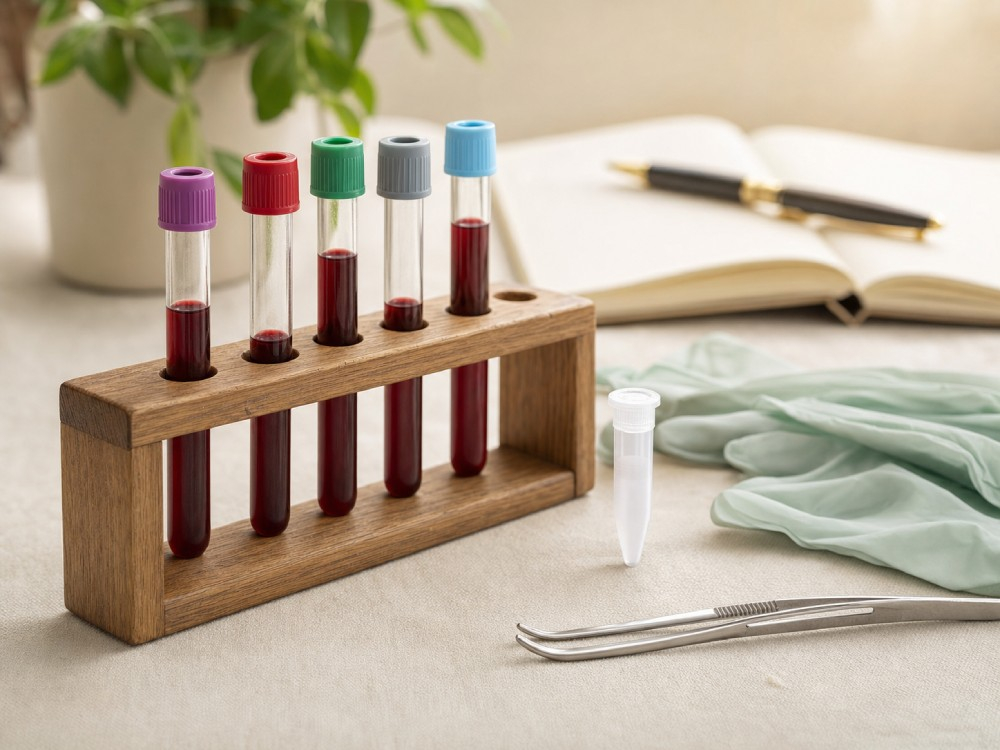
The most readily available laboratory marker is hs-CRP (high-sensitivity C-reactive protein)—a highly sensitive form of CRP capable of detecting even very low levels below 1 mg/L. Doctors use standard CRP when an infection is suspected (levels above 10 mg/l), while hs-CRP serves a completely different purpose: to assess long-term cardiovascular and overall health risks.
Reference ranges for an adult without an infection:
| hs-CRP Level | Interpretation |
| below 1 mg/L | low risk, normal inflammatory profile |
| 1–3 mg/L | moderately increased risk |
| above 3 mg/L | Higher risk; lifestyle changes are recommended |
| above 10 mg/L | likely an ongoing infection or acute condition; do not use this test for this purpose |
Caution—a result above 10 mg/L must always be discussed with a doctor; this is no longer a case of silent inflammation but an acute condition. A large-scale analysis by Kalair et al. from 2023 linked persistently elevated levels of hs-CRP, IL-6, and TNF-alpha to higher overall mortality (Kalair, 2023). A study by Mitchell et al. from the same year demonstrated that systemic inflammation predicts biological age independently of chronological age (Mitchell, 2023, HRS).
In addition to hs-CRP, the following are also monitored during a more comprehensive examination:
- IL-6 (interleukin-6)— a sensitive marker of immune cell activity.
- TNF-alpha— a key pro-inflammatory cytokine.
- Homocysteine —associated with vascular inflammation.
- Glycated hemoglobin HbA1c —reflects long-term glycation stress.
- Neutrophil-to-lymphocyte ratio (NLR) from a routine complete blood count—a simple and inexpensive proxy marker.
For most people, adding an hs-CRP test to their routine preventive checkup once every 1–2 years is sufficient. If the value repeatedly exceeds 2 mg/L, it’s time to take action.
Why the Body Maintains Inflammation—The Five Most Common “Fuels”
If silent inflammation has developed, something is fueling it. In the vast majority of cases, it is a combination of the following factors:
1. A diet rich in ultra-processed foods. A large 2024 study using a sample from the UK Biobank showed that the pro-inflammatory diet index (DII) correlates directly with hs-CRP levels and with accelerated brain aging as measured by MRI (Carballo-Casla, 2024). Key culprits: refined sugars, refined vegetable oils with an excessive ratio of omega-6 fatty acids, trans fatty acids, and processed meats.
2. Visceral fat. Thefatty tissue surrounding the abdominal organs is not a passive storage site—it produces its own cytokines (adipokines) and IL-6.
3. Lack of quality sleep. Even a single night with less than 6 hours of sleep increases markers of inflammation the following day.
4. Chronic stress and a sedentary lifestyle. Cortisol suppresses inflammation during short-term stress, but chronic stress leads to resistance, causing inflammation to rise instead.
5. The microbiome and intestinal permeability. A loss of gut bacterial diversity (resulting from antibiotics, a monotonous diet, or alcohol) weakens the intestinal barrier. Bacterial lipopolysaccharide (LPS) enters the bloodstream and activates immune cells—a phenomenon known as metabolic endotoxemia.
The good news is that each of these five factors can be influenced. And there are dietary supplements with a growing body of evidence to support targeted intervention.
Three Pillars of Support for Silent Inflammation
Today, there are hundreds of supplements on the market labeled as “anti-aging” or “anti-inflammatory.” However, in terms of the quality of evidence, three categories stand out, consistently yielding positive results in meta-analyses and clinical studies: curcumin in a highly bioavailable form, carnosine complex, and modern longevity compounds such as alpha-ketoglutarate, glycine, and creatine. Let’s take a look at what the science says about them—and how these three categories are represented by specific products in our portfolio.
Pillar 1: Curcumin—Strong Evidence for Reducing CRP
Curcumin, the main active ingredient in the root of Curcuma longa, is one of the most thoroughly studied polyphenols. Its main drawback is its extremely low bioavailability—only a few percent of a typical powdered extract is absorbed from the intestine.
The latest umbrella meta-analysis by Kavyani et al. from 2024, which synthesized dozens of previous meta-analyses, showed a consistent reduction in three key inflammatory markers: CRP -0.87 mg/dl, TNF-alpha -2.72 pg/ml, and IL-6 –0.97 pg/mL (Kavyani, 2024, Prostaglandins Other Lipid Mediat). Similar results were also reported in the umbrella analysisby Faghfouri (2023) and the review by Kim (2024), which found a decrease in CRP in 7 out of 10 meta-analyses evaluated (Kim, 2024).
Sufficient intake and, in particular, the form of administration are key. Liposomal technology encapsulates curcumin in microscopic lipid vesicles similar to cell membranes. These protect the molecule from stomach acids and significantly increase the amount that enters the bloodstream.
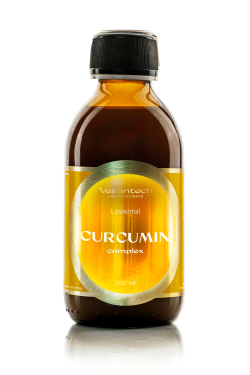
Liposomal curcumin is a liquid supplement available in a 200-ml bottle, containing 200 mg of curcumin and 500 mg of sunflower lecithin in a single daily dose (10 ml = two teaspoons). It is taken once a day, ideally mixed into a glass of juice or your favorite beverage—not directly from a spoon, as the concentrate is potent. One package lasts for 20 days.
Who can benefit most from liposomal curcumin: people with repeatedly elevated hs-CRP levels, sedentary workers, athletes with increased stress on joints and tendons, and people with a pro-inflammatory diet who are in the process of making dietary changes. Curcumin is not a medication and does not treat any disease—it is a nutritional supplement that helps create a more favorable anti-inflammatory environment in the body.
Pillar 2: Carnosine and the Mitochondrial Complex—Forever Mind
The second pillar is the dipeptide carnosine (a combination of the amino acids beta-alanine and histidine). Studies show that carnosine has three key properties that are particularly relevant in the context of silent inflammation:
- It inhibits protein glycation and the formation of AGEs (Tu, 2025).
- It activates the Nrf2/HO-1 antioxidant pathway—a preclinical study by Cheng (2025) showed that carnosine can alleviate senescence in oral mucosal cells and activate protective antioxidant enzymes (Cheng, 2025).
- It promotes the removal of senescent cells by macrophages in the skin—a study by Liu (2020) demonstrated an effect on the clearance of “zombie cells” in the skin of animal models (Liu, 2020).
It is also important to correctly note the limitations. A randomized clinical trial by Mousa et al. from 2024 in a population with well-controlled type 2 diabetes and prediabetes did not observe a significant change in inflammatory markers following carnosine supplementation (Mousa, 2024). Conclusion: Carnosine is not a “magic bullet” for advanced metabolic disease. Its strength lies in prevention and support for mild abnormalities—that is, precisely in cases of silent inflammation.
The Vesantech Forever Mind™ Carnosine Complex utilizes carnosine in combination with six other bioactive compounds that complement one another. One capsule contains:
| Ingredient | Amount |
| L-carnosine | 200 mg |
| Zinc-carnosine chelate (Polaprezinc) | 30 mg (~7 mg Zn) |
| R-alpha-lipoic acid | 40 mg |
| Vitamin E (tocotrienol) | 26.8 mg |
| Coenzyme Q10 (ubiquinol) | 20 mg |
| Astaxanthin | 0.8 mg |
| Vitamin B6 (P-5-P) | 0.56 mg |
The formulation specifically targets three areas significantly affected by inflammaging: the nervous system (vitamin B6 contributes to the normal functioning of the nervous system and to the reduction of fatigue and exhaustion—an authorized health claim according to the EU Register), cellular energy at the mitochondrial level (coenzyme Q10 ubiquinol and R-ALA), and antioxidant protection (vitamin E tocotrienol contributes to the protection of cells against oxidative stress—again, an authorized claim).
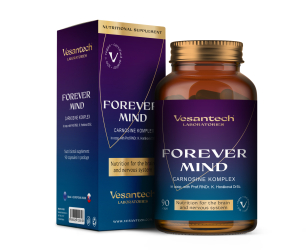
A premium anti-aging dietary supplement for brain and digestive tract health and...
The package contains 90 capsules. The preventive dose is 1 capsule daily (2 capsules for those weighing over 80 kg); the therapeutic dose is 2 × 1 capsule daily. Take with a meal or immediately after eating, in cycles of 3 months followed by a 2- to 4-week break. The manufacturer lists HACCP, ISO 9001, ISO 22000, and GMP certifications.
Who should consider Forever Mind: people over 40 experiencing “cellular fatigue” or increased oxidative stress (sedentary lifestyle, past smoking, long-term stress), during periods of intense mental work, when experiencing increased eye strain from screen time, or as part of an anti-aging strategy alongside exercise and a healthy diet.
Pillar 3: Forever Drink—modern longevity ingredients for regeneration and mitochondria
The third pillar addresses silent inflammation from a metabolic perspective—through amino acids and metabolites that directly influence mitochondria, collagen, and hydration. Vesantech Forever Drink™ (Longevity Drink) is a powdered drink mix combining creatine monohydrate, glycine, L-lysine, calcium alpha-ketoglutarate, hyaluronic acid, vitamin C from acerola, green tea extract, and a complete electrolyte profile (sodium, potassium, magnesium, phosphorus).
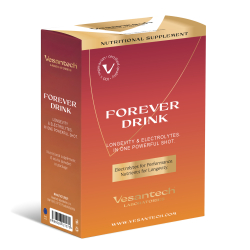
Premium recovery, hydration, and performance support—all in one packet.
The most interesting ingredients from the perspective of inflammaging are:
Calcium alpha-ketoglutarate (Ca-AKG). This is an intermediate in the Krebs cycle that, in several independent studies, has shifted markers of aging in both animals and humans. A study by Asadi Shahmirzadi et al., published in the journal *Cell Metabolism* (2020), showed that Ca-AKG supplementation extended the healthy lifespan of mice and reduced frailty (Asadi Shahmirzadi, 2020, *Cell Metab*). A retrospective analysis by Demidenko (2021) (42 people, a formula containing Ca-AKG and vitamins) recorded an average decrease in biological age of approximately 8 years, as measured by DNA methylation, over 7 months of use (Demidenko, 2021, Aging)—the authors themselves emphasize that a placebo-controlled study is needed for confirmation, which is currently underway under the acronym ABLE in Singapore (Sandalova, 2023, GeroScience). Preclinical studies in animal models further show that alpha-ketoglutarate inhibits the NF-kappaB and IKK pathways, which are central signaling pathways in inflammation (Ye, 2024, Aging Cell; Lopes, 2023, Eur J Pharmacol).
Glycine. The simplest amino acid with a wide range of effects: it is a building block of collagen, a precursor to glutathione (the main intracellular antioxidant), and supports sleep quality. The combination of glycine and N-acetylcysteine (known by the acronym GlyNAC) in a series of clinical studies by Sekhar et al. improved markers of oxidative stress, mitochondrial function, and interleukin-6 in older adults (Kumar and Sekhar, 2022, J Gerontol; Kumar, 2021, Clin Transl Med). Forever Drink contains glycine alone, without NAC—therefore, the data from the GlyNAC studies do not apply directly, but they do confirm that glycine is a nutritionally undervalued amino acid, a deficiency of which is common in older adults.
Creatine monohydrate. This classic gym supplement has, in recent years, been shown in a growing body of evidence to benefit the brain and cognitive functions as well. A 2024 meta-analysis by Xu et al. showed that creatine positively influences information processing speed and certain domains of memory, with the effect being more pronounced in people over 60 and in women (Xu, 2024, Front Nutr). A 2022 review by Forbes/Candow summarizes that creatine increases brain phosphocreatine stores and may be helpful in cases of sleep deprivation or increased cognitive load (Forbes, 2022, Nutrients).
Forever Drink is therefore not a “classic anti-aging supplement”—it is a functional recovery drink with longevity-promoting elements. It is best used during physical exertion, after workouts, during periods of increased fatigue, during demanding cognitive work, or as a daily functional beverage instead of sugary soft drinks. The package contains 15 sachets (a 15-day course); the recommended dosage is 1 sachet per day mixed with 200–250 ml of water.
Dietary Supplements—What Makes the Biggest Difference Beyond Supplements
No supplement can replace what enters the body three times a day in the form of food. If you want to realistically lower your hs-CRP levels, it’s worth focusing on five daily “levers”:
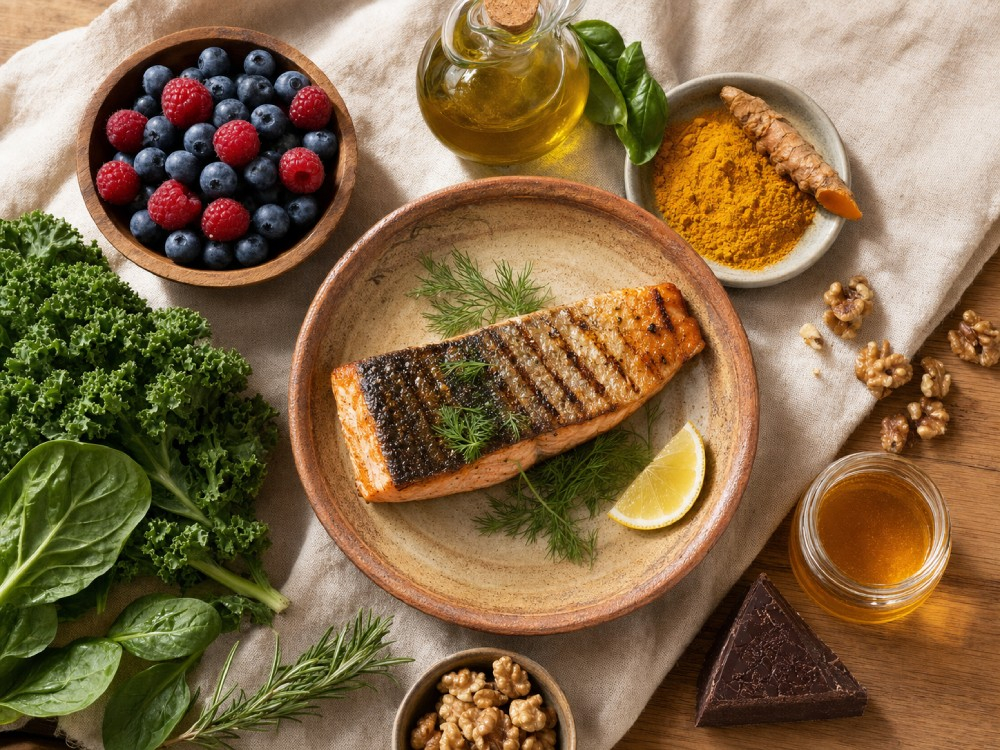
1. More omega-3 fatty acids. A study in the National Health and Nutrition Examination Survey (NHANES 2011–2014) showed that higher levels of omega-3 (especially DHA) in the blood are associated with slower accelerated aging as measured by the PhenoAge indicator—and this association is mediated by systemic immune inflammation (Shan, 2025). Practical goal: 2–3 servings of fatty sea fish per week, or high-quality fish/krill oil with a daily intake of ~1,000–2,000 mg of EPA + DHA.
2. Polyphenol-rich foods. Berries, extra virgin olive oil, cocoa (70% and higher), green tea, and coffee in moderate amounts. Sulforaphane from cruciferous vegetables (broccoli, kale) activates the same Nrf2 pathway as carnosine and curcumin.
3. Fiber and fermented foods. 30 or more grams of fiber daily, plus sauerkraut, kefir, kombucha, and miso. These promote microbiome diversity and mitigate metabolic endotoxemia.
4. Spermidine-rich foods. Wheat germ, soybeans, button mushrooms, aged cheese, and soy products. Spermidine activates autophagy—a cellular recycling system that removes damaged components (Madeo, 2018; Jerkovic, 2024, Nat Cell Biol).
5. Less ultra-processed food, smoking, and alcohol. The mechanism is the same for all three—all three factors systemically elevate both CRP and IL-6.
And don’t forget exercise. Even 30–45 minutes of moderate-intensity activity 4–5 times a week reduces inflammation markers over the long term—paradoxically, while it causes a short-term spike in these markers, the body develops stronger anti-inflammatory “brakes” as a result.
A Practical 8-Week Plan—How to Test If It Works
If you want to know whether there’s been any “progress” with silent inflammation, you need two fixed points: a baseline test and a follow-up test 8–12 weeks apart. In the meantime, consistently work on the same levers.
Week 0: Test for hs-CRP, glycated hemoglobin (HbA1c), and a complete lipid profile. Record your body weight, waist circumference, sleep quality, and resting heart rate (from your watch).
Weeks 1–4: Laying the foundation.
- In the morning or after a workout: 1 packet of Forever Drink (creatine, glycine, Ca-α-ketoglutarate, electrolytes) mixed in a glass of water
- With breakfast: 1 capsule of Forever Mind Carnosine
- After lunch: 10 ml of liposomal curcumin (mixed into juice or water)
- Diet: Add 2 servings of fish per week, 3 tablespoons of extra virgin olive oil daily, 1 handful of berries daily; avoid sugary drinks
- Exercise: 4 × 30-minute walks or bike rides; if you haven’t exercised in a year, don’t overdo it—start at a moderate pace
Weeks 5–8: Refinement.
- Incorporate 2 strength training sessions per week (even just using your body weight)
- Add one hour of more intense activity per week (brisk walking uphill, cycling, swimming)
- Include fermented foods in your diet—kefir, sauerkraut, high-quality yogurt
- Go to sleep before 11:00 PM; establish a bedtime ritual free of blue light 60 minutes before bed
- If you have trouble sleeping, try taking 2–3 g of glycine on its own before bed (Forever Drink is a recovery blend; a separate evening dose is more suitable for targeted sleep support)
Weeks 9–10: Follow-up testing for hs-CRP and HbA1c. A 30–50% decrease in hs-CRP compared to baseline is a real success. For some people, stabilization alone is a success—the decrease may not begin immediately after 8 weeks if there are multiple sources of inflammation in the body.
This plan is not a substitute for medical care. If you have diabetes, an autoimmune disease, are taking blood-thinning medications, are pregnant, or are breastfeeding—please consult your doctor about all of the above.
Frequently Asked Questions About Silent Inflammation
What is a “safe” hs-CRP level?
Below 1 mg/L indicates a low risk. Levels of 1–3 mg/L are moderately elevated; above 3 mg/L indicates a higher risk. A single elevated reading may not mean anything—the key is to repeat the test after 2–3 months at the same lab, ideally in the morning on an empty stomach and without having had an acute infection in the previous two weeks.
Can I have my hs-CRP tested as part of routine preventive care?
Some insurance companies do not cover hs-CRP testing. The out-of-pocket cost at a private laboratory is approximately 8–15 €. If your doctor does not approve the test, you can request it at your own expense and bring the results to your consultation.
Is liposomal curcumin safe to take with blood-thinning medications?
Curcumin may slightly affect blood clotting. If you are taking warfarin, newer anticoagulants (apixaban, rivaroxaban), or acetylsalicylic acid regularly, always consult your doctor about this combination. The same applies if you are planning surgery—curcumin is usually discontinued 1–2 weeks before the procedure.
Can I take Forever Mind and Forever Drink at the same time?
Yes. Forever Mind is a daily capsule supplement that supports cellular and antioxidant balance, while Forever Drink is a sachet-based recovery drink with longevity-promoting ingredients. A common combination: Forever Drink in the morning or after a workout, and Forever Mind with a main meal. Do not exceed the recommended daily dose for either product.
What is the difference between “regular” curcumin and liposomal curcumin?
Standard powdered curcumin has very low bioavailability—without piperine (from black pepper), only a few percent reaches the bloodstream. The liposomal form encapsulates curcumin in lipid vesicles, which protect it in the stomach and significantly increase absorption through the intestinal mucosa. Therefore, you need a significantly smaller dose to achieve the same effect.
Is silent inflammation the same as an autoimmune disease?
No. Silent inflammation is low-grade, chronic inflammatory activity without a specific target of the immune system. Autoimmune diseases (Hashimoto’s, lupus, rheumatoid arthritis) are specific diagnoses with their own antibodies and clinical manifestations. However, in autoimmune diseases, inflammaging tends to be significantly higher—which is why working with biomarkers and lifestyle changes is also beneficial in these cases, though always in consultation with a doctor.
How long does it take for hs-CRP to decrease?
With consistent changes in diet, exercise, and quality sleep, the first changes will become apparent after 6–8 weeks. The full effect is achieved after 3–6 months. Supplements support this process but do not replace the fundamental pillars.
Related articles on zdravysvet.sk
- Zombie Cells—The Silent Sparks of Aging. How Senescent Cells Shorten Life and What to Do About It
- Why Ozempic Isn’t the Solution and What Actually Works
- Berberine Is More Than Just an Herb—Modern Evidence (blog section)
- A discovery ahead of its time: sulforaphane (blog section)
Scientific Sources
- Furman D., Baechle C., et al. (2023). Chronic inflammation and the hallmarks of aging. Molecular Metabolism. PMC10359950
- Faye A. et al. (2024). Inflammaging framework. PMC11872841
- Wilson D., Jackson T., et al. (2022). Connecting aging biology and inflammation. Journal of Clinical Investigation. 10.1172/JCI158448
- Mitchell U. et al. (2023). Systemic inflammation and biological aging in HRS. PMC10643484
- Kalair W. et al. (2023). hs-CRP, IL-6, and TNF-alpha and mortality. PMC10578595
- Carballo-Casla A. et al. (2024). UK Biobank: pro-inflammatory diet, brain age, and hs-CRP. 10.1002/alz.086979
- Jiang Y. et al. (2025). Bibliometric analysis of inflammaging, 2005–2024. PMC12018403
- Kavyani Z. et al. (2024). Curcumin and inflammatory biomarkers—umbrella meta-analysis. Prostaglandins Other Lipid Mediat. 10.1016/j.prostaglandins.2024.106867
- Faghfouri A.H. et al. (2023). Curcumin—umbrella meta-analysis. PMC9870680
- Kim S.W. et al. (2024). Curcumin CRP review. PMC11174746
- Cheng L. et al. (2025). Carnosine, Nrf2/HO-1, and oral mucosa senescence. PMC12018427
- Liu Y. et al. (2020). Carnosine and macrophage clearance of senescent skin cells. PMC7772392
- Tu Y. et al. (2025). AGE review. PMC12024296
- Mousa A. et al. (2024). Carnosine RCT in prediabetes/T2DM. PMC11597812
- Asadi Shahmirzadi A. et al. (2020). Alpha-ketoglutarate extends lifespan in mice. Cell Metabolism. PMC8508957
- Demidenko O. et al. (2021). Rejuvant® (Ca-AKG) and DNA methylation age. Aging. 10.18632/aging.203736
- Sandalova E. et al. (2023). ABLE - Ca-AKG RCT protocol. GeroScience. PMC10643463
- Ye X. et al. (2024). Alpha-ketoglutarate and NF-kappaB signaling. Aging Cell. 10.1111/acel.14269
- Lopes A.L. et al. (2023). Alpha-ketoglutarate and gastric mucosal protection. Eur J Pharmacol. 10.1016/j.ejphar.2023.176118
- Kumar P., Sekhar R., et al. (2022). GlyNAC supplementation in older adults—RCT. J Gerontol A. PMC9879756
- Kumar P., Sekhar R., et al. (2021). GlyNAC pilot trial. Clinical Translational Medicine. PMC8002905
- Xu C. et al. (2024). Creatine and cognitive function—systematic review and meta-analysis. Frontiers in Nutrition. PMC11275561
- Gualano B., Candow D., Forbes S.C., et al. (2022). Creatine supplementation on brain function and health. Nutrients. PMC8912287
- Madeo F. et al. (2018). Spermidine—an anti-aging vitamin. PMC6287690
- Jerkovic A. et al. (2024). Spermidine, fasting, and autophagy. Nature Cell Biology. PMC11392816
- Shan F. et al. (2025). Omega-3, omega-6 PUFAs and biological aging—NHANES. Aging Clin Exp Res. 10.1007/s40520-025-02964-2
Disclaimer: This article is for informational purposes only and is not a substitute for professional medical care or a medical diagnosis. Dietary supplements are not drugs and are not intended to treat, prevent, or diagnose any disease. If you have health concerns, repeatedly elevated hs-CRP levels, or are considering adding new supplements, consult your doctor. Supplements are not suitable for children, pregnant women, or breastfeeding women, unless otherwise stated.
Images used: Perplexity AI,
Author, Martin Kolčák, Zdravý svet