SK
 CZ

In this article, you’ll learn:
- What causes hormonal imbalance?
- Phytotherapy and Hormonal Imbalance
- Tinctures for hormonal imbalance
- The most effective herbal combinations for hormonal imbalance
In this discussion, we’ll focus primarily on women and share several recipes from the natural herbarium to help alleviate—or even eliminate—problems resulting from hormonal imbalance.
What Causes Hormonal Imbalance?
This imbalance is primarily caused by regular fluctuations in the levels of estrogen, the most important female hormone—whether during the active functioning of the female reproductive organs, when the amount of estrogen secreted changes as the egg matures and is released from the ovaries, or with the onset of menopause.
Estrogen significantly influences metabolism, affects key brain functions, determines the development of secondary sexual characteristics in girls, shapes the female body, and promotes breast growth. Its decline, especially during menopause, causes serious problems for women. The most well-known symptom of hormonal imbalance is hot flashes. Other issues that may arise include cardiovascular problems, memory issues, or osteoporosis.
When the body stops producing estrogen, the aging process accelerates. On the other hand, high estrogen levels are also undesirable, as they increase the risk of various types of cancers of the female reproductive organs and the breast, as well as a number of common daily issues women face, such as migraines, insomnia, hot flashes and night sweats, gynecological infections, and so on. Estrogen levels are regulated by another important female hormone, progesterone.
In nature, there are so-called phytoestrogens in the plant kingdom that can effectively replace female estrogen.
Today, we will focus on alleviating or eliminating the effects of this hormonal imbalance using natural herbal remedies.

Phytotherapy and Hormonal Imbalance
The simplest form of phytotherapy is herbal teas. When it comes to herbal teas, don’t forget Chinese angelica, which is used for conditions involving both high and low estrogen levels, or medicinal sage. Regularly drinking sage tea also reduces sweating and helps with sudden hot flashes or an irregular menstrual cycle. Another herb beneficial for women is black cohosh, which can help with breast tenderness, while our well-known “wild card,” St. John’s wort, is helpful for mental health issues and irritability. Sitz baths made from mouse-tail (ribwort) are also well-known; they help relieve itching of the mucous membranes, which is also one of the first symptoms of a decline in estrogen production.
Based on our experience at our natural herb shop, my advice won’t be limited to just these classic herbs used to make herbal teas—which are generally well-known to our women and described almost everywhere— but we’ll focus on a very interesting and highly effective branch of phytotherapy: gemmotherapy—tinctures made from plant buds.
We have had quite extensive and interesting experience with these tinctures, which we’d love to share with you. That’s why we’ve set up a herbal advice section on our website, where our experts can offer you guidance.
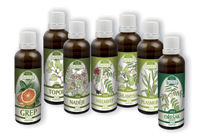
Tinctures are a very effective form of herbal medicine that’s also easy to take. You can slip them into your purse, so you always have them with you and won’t forget to take your dose of herbal remedy. You don’t have to brew them, so even if you’re short on time, you can take them regularly—which is especially important when dealing with hormonal imbalances. Moreover, tinctures—or macerates—can “extract” valuable substances from the plant that tea cannot. You steep tea for a few minutes, while a macerate is steeped in alcohol (the most effective solvent that’s safe for the body) for several months.
Let’s look at specific tinctures for hormonal imbalance:
Femina is a very interesting tincture; it is a blend of herbs designed for women that serves as a foundation for further treatment. Often, after completing a specially formulated treatment regimen, women find that taking just this one herbal tincture is sufficient.
Femina can also be combined very well with other herbs for women, especially Raspberry P31, which regulates hormonal secretion and has an effect similar to that of female hormones; the Black Currant–Raspberry P10 blend regulates endocrine balance, combats ovarian cysts, menstrual disorders, and alleviates vaginal inflammation.
This P10 blend regulates ovarian hormonal activity, has a positive effect on the uterus, and addresses infertility, menopausal issues, as well as cysts, fibroids, and gynecological discharge.
An interesting herbal tincture is Bird Cherry T15, which has a beneficial effect on the endocrine system, especially in cases of hypofunction. It is suitable for regulating the menstrual cycle, treating infertility, and managing menopausal symptoms. When taken in combination with Serviceberry P19, they help eliminate cysts.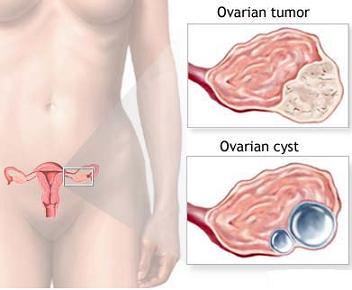
Frequent gynecological infections are a common side effect of hormonal imbalance. Any imbalance makes the sensitive female organs susceptible to yeast infections and various fungal infections, which can then trigger various types of inflammation. Proven remedies here include, for example, the extract from red clover T35 or grapefruit seed tincture T11, which can combat yeast infections and fungal infections and, together with the aforementioned herbal and bud extracts, can restore a woman’s health. We must not forget to mention Capuchin P30 here, which, as a natural antibiotic, is a suitable tincture for bacterial infections.
Time-tested combinations—blends of tinctures—are highly effective for any issues and can be discussed in ourherbal consultation service. These combinations have been tried and tested by hundreds of satisfied women.
Few people realize that the health of the female reproductive organs is closely linked to the state of the gut microbiota.
Therefore, for more serious women’s health issues—especially those that recur over the long term—I always recommend special probiotics containing strains that support the health of the urogenital tract. These Vaginal probiotics also strengthen the immune system and eliminate Candida in the gut, if present.
Here are the most effective and commonly used combinations of herbs:
Herbs that support hormonal balance in cases of menstrual cycle disorders:
Herbs: Tribulus terrestris P56, Femina T9, Mountain ash T15; Buds: Birch catkins P3, Black currant-raspberry P10
A blend of herbs that helps alleviate the unpleasant symptoms and discomforts of menopause —such as hot flashes and sweating. Start with a combination of Femina T9 + Mistletoe T13 + Mountain Ash T15 + SV16 Alchemilka – Clover. Drink Himalayan Ashoka tea alongside it. After a month, if there is improvement, gradually phase out T15, followed by T13. After that, you’ll just need to test whether T9 alone or T9 combined with SV16 will be sufficient. Alternatively, you can try the P34 tincture after this treatment.
An excellent combination of tinctures for endometriosis:
herbs: Femina T9, eleutherococcus with beta-glucan TG6; buds: oak P12, black currant–raspberry P10, tribulus terrestris P56, heather with beta-glucan PG48
Proven combinations for gynecological inflammations:
herbs: Femina T9, clematis T35, mountain ash T15; buds: black currant–raspberry P10
Proven combination for infertility:
K05 treatment regimen combined with Vesantech Vaginal probiotics ; very good results for conception issues are also achieved if the partner takes the K08 herbal treatment regimen.
For severe gynecological inflammation:
herbs: grapefruit seed T11,mountain ash T15, buds: nasturtium P30, alder P36, along with Vesantech Vaginal probiotics
Fungal infections, mycoses, candida:
herbs: velvetleaf T35, bird cherry T15, wild garlic T4; buds: black currant-raspberry P10, Siberian ginseng P69, calendula P32, oak P12, along with Vesantech Vaginal probiotics
Chlamydia:
herbs: velvetleaf T35, chlamysan SV9, buds: cranberry P53,
Breast cysts:
Take the following herbal treatment for cysts C1 for at least 2 months along with Vesantech Vaginal probiotics. Apply Mamma Gel to your breasts. If you can feel a cyst, apply violet cream to that area
I’d also like to mention a case from our counseling service:
Benign breast cysts— adka74, December 31, 2012, at 10:07 a.m.
Hello, I’m very happy to have this opportunity to thank you on behalf of my cousin, who went for a follow-up visit with her doctor after completing the treatment regimen you prescribed. We were very pleased to learn that out of 13 cysts, only 3 tiny ones remained. She would like to continue with the treatment plan you put together; we just want to make sure whether she should repeat the treatment or if you would recommend and create a new one. Best wishes for the New Year. Adka
Of course, as I’ve mentioned in previous articles, every person is unique, so it’s best to consult with our experts on a case-by-case basis. It’s also worth noting that for some people, half a package of the product is enough, for others a whole package, and some may even need multiple packages or treatment courses.

You can read more about gemmotherapy at:https://www.zdravysvet.sk/gemmoterapia/
Ing. Pavol Machnič www.zdravysvet.sk