SK
 CZ

The liver is one of the most important organs in the human body, performing numerous functions essential for maintaining homeostasis and overall health.
This vital organ is located in the upper right part of the abdominal cavity and plays a key role in metabolic processes, detoxification, protein synthesis, energy storage, and many other processes. The liver is primarily responsible for metabolism, converting nutrients from food into energy and the building blocks the body needs, while also removing toxins and metabolic waste products from the blood.

Other key functions include protein synthesis, including albumin (important for maintaining blood osmotic pressure) and clotting factors (essential for proper blood clotting). The liver also plays an irreplaceable role in fat metabolism, where it participates in the production and breakdown of cholesterol and other fatty acids. In terms of carbohydrates, the liver regulates blood glucose levels, thereby ensuring a consistent source of energy for the body. This organ is also essential for processing and storing vitamins and minerals, such as iron, fat-soluble vitamins (A, D, E, K), and B vitamins.
Liver detoxification = body detoxification
One of the liver’s most important functions is its detoxification role, which is essential for neutralizing toxins. These toxins enter the body from external or internal sources. The liver converts these harmful substances into less toxic forms, which are then excreted from the body. Therefore, if you want to detoxify your body, the key is to support the liver in its natural detoxification process.
Given its wide-ranging functions and ability to regenerate, the liver is a fascinating organ that deserves attention not only in the context of scientific research but also in everyday health care.
Preventive measures, such as a balanced diet, regular physical activity, and limiting alcohol consumption, help keep the liver healthy, thereby ensuring the body’s overall well-being.
Despite this irreplaceable role, the liver is often at risk of various diseases, such as steatosis, hepatitis, severe bacterial infections, cirrhosis, or gallbladder problems, which can seriously impair its function and overall health.
In the following paragraphs, we’ll explore how the world of medicinal plants can help us in the fight against liver and gallbladder diseases. We’ll focus specifically on fatty liver, lipid metabolism disorders, as well as problems with high cholesterol and triglycerides. We’ll discuss the latest detox trends and products in terms of their scientific basis and effectiveness. We’ll focus on expert recommendations for safe and effective liver detox methods.

The Gallbladder: A Great Helper
Before we can offer specific advice, we must mention that the liver system also includes the gallbladder and the liver’s production of bile. The gallbladder is a small, pear-shaped organ located beneath the liver. Its primary function is to store and concentrate the bile produced by the liver.
Bile is an essential fluid that plays a vital role in proper digestion, particularly in the emulsification of fats, which allows for their easier absorption in the small intestine. Bile is a complex mixture containing bile acids, bilirubin, cholesterol, electrolytes, and water. Bile acids are key to breaking down fats into microscopic particles, which in turn facilitates their absorption through the intestinal wall.
Bilirubin, a product of hemoglobin breakdown, gives bile its characteristic greenish-yellow color. During digestion, when food reaches the duodenum, the gallbladder contracts and releases the accumulated bile into the intestine via the bile ducts. Despite its importance to the digestive process, the gallbladder is not an organ essential for our survival.
There are cases when it is necessary to surgically remove the gallbladder—a procedure known as cholecystectomy. This procedure is often performed for complications associated with the gallbladder, such as gallstones, gallbladder inflammation, or gallbladder polyps. Even after the gallbladder is removed, the liver continues to produce bile, which flows directly into the small intestine, although it is not stored or concentrated to the same extent as before.
The importance of the gallbladder and bile in the digestive process is undeniable, and disorders affecting them can lead to various digestive problems and the need for surgical intervention. Therefore, even if you do not have a gallbladder, it is essential to take care of your liver—and even more so—by providing your body with substances that support bile production.
These substances, known as cholagogues, act directly on the gallbladder and liver, thereby stimulating bile secretion, which is essential for the emulsification of fats and their subsequent absorption in the small intestine. Effective bile production and secretion are essential for the proper functioning of the digestive system and for maintaining optimal health.
Insufficient bile production can lead to various digestive problems, such as bloating, dyspepsia, or poor absorption of fats and fat-soluble vitamins. Substances known for their ability to stimulate bile production include certain herbs, such as artichoke, peppermint, turmeric (preferably pure curcumin), milk thistle, and dandelion. These plants contain active compounds that can positively influence liver and gallbladder function, thereby supporting healthy bile production and secretion.
We haven’t mentioned milk thistle yet… Yes, milk thistle is a brilliant herb for the liver, but it doesn’t help with everything, so relying solely on it to support the liver isn’t enough. Many people don’t realize this.

Now let’s address a problem many people face: fatty liver
Fatty liver disease, or steatosis, is a condition in which there is an excessive accumulation of fat cells in the liver. This condition can be caused by various factors, including obesity, excessive alcohol consumption, type 2 diabetes, certain medications, and other health conditions.
There are two main types of fatty liver: alcoholic and non-alcoholic. Alcoholic fatty liver is caused by excessive alcohol consumption, while non-alcoholic fatty liver disease (NAFLD) may be associated with other health issues, such as obesity, metabolic syndrome, or recovery from severe bacterial infections, such as Lyme disease.
Symptoms of fatty liver disease are often unnoticeable or very mild, so it can be difficult to diagnose without specific tests. However, some people may experience fatigue, pain in the upper right quadrant of the abdomen, or elevated liver enzyme levels.
Treatment for a fatty liver primarily involves lifestyle changes, such as a healthy diet, regular physical activity, and weight management. If excessive alcohol consumption is the cause, it is essential to limit or completely avoid alcohol. In cases of type 2 diabetes mellitus or other associated medical conditions, adequate management of these conditions is important. In advanced stages, fatty liver disease can progress to more serious conditions, such as steatohepatitis, cirrhosis, or even liver cancer. Therefore, it is important for people at risk of this condition to undergo regular medical checkups and follow their doctor’s recommendations.
To influence liver metabolism (fats, fatty liver, and cholesterol), we must continuously support the liver for at least 3 to 6 months—sometimes even longer.

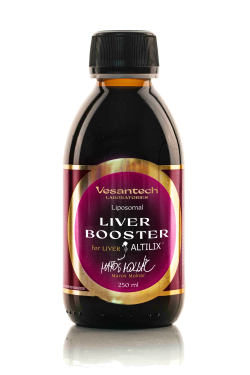
Have you heard of Liver Booster?
This liposomal vitamin from deserves to be highlighted, and we’d also like to point out the specific effects of the medicinal plants it contains.
Artichoke
Our innovative liposomal Liver Booster is formulated with natural ALTILIX™ extract, which is derived from artichoke leaves. In traditional herbal medicine, these leaves are recognized for their detoxifying effects, their ability to support healthy liver function, and their effectiveness in lowering high cholesterol levels by inhibiting and oxidizing LDL cholesterol, also known as “bad” cholesterol.
Furthermore, artichoke leaves exhibit significant hepatoprotective properties and stimulate choleretic and cholagogic activity, thereby promoting the production and secretion of bile, which is key to the proper functioning of the digestive system. ALTILIX™ extract is also a significant source of polyphenols and bioflavonoids, which are known for their antioxidant properties and health benefits. Clinical studies have confirmed that regular use of ALTILIX™ has a positive effect on liver function, helps combat fatty liver disease, and improves liver metabolism.
Our liposomal Liver Booster with ALTILIX™ is therefore a cornerstone for anyone seeking natural support for liver health, wanting to effectively detoxify their body, and support proper metabolic function. Using it is an important step toward achieving overall well-being and health.
Milk thistle
also known by its Latin name Silybum marianum, is one of the most valuable plants in the arsenal of natural remedies for liver health. Thanks to its silymarin content—which is valued for its antioxidant, anti-inflammatory, and regenerative effects—milk thistle supports the regeneration of damaged liver cells and provides protection against various toxins. Its importance is particularly evident in the treatment of fatty liver and in preventing the harmful effects of excessive alcohol consumption. Another plant whose positive effects on the liver and digestive system are well documented is turmeric.
Turmeric
Curcumin, the active ingredient in turmeric (Curcuma longa), is known for its anti-inflammatory, antioxidant, and potential anticancer effects. It has a positive effect on the liver in several ways:
1. Anti-inflammatory effect: Curcumin helps reduce inflammation in the liver by inhibiting the production of inflammatory cytokines. This effect may be beneficial in the treatment and prevention of inflammatory liver diseases, such as nonalcoholic fatty liver disease (NAFLD) or hepatitis,
2. Antioxidant properties: Curcumin is a powerful antioxidant that can protect liver cells from damage caused by free radicals and oxidative stress. Oxidative stress is associated with many liver diseases, including cirrhosis and liver cancer,
3. Support for detoxification: Curcumin may improve liver function by stimulating the production and secretion of bile, which is important for detoxification and fat metabolism,
4. Liver cell regeneration: There is evidence that curcumin may support liver cell regeneration, which is important for liver recovery after damage,
5. Protection against fibrosis: Curcumin may inhibit certain processes that lead to fibrosis (scar tissue formation) in the liver, which may help prevent or slow the progression to cirrhosis.
Selenium is an essential trace element that plays a crucial role in many biological processes in the human body, including supporting liver health.
The liver, as the primary organ responsible for detoxification, metabolism, and the synthesis of important proteins, requires adequate nutritional support for optimal function.
In this context, selenium plays a key role for several reasons. At the molecular level, selenium acts as a coenzyme for glutathione peroxidases—a group of enzymes essential for protecting cells from oxidative damage caused by free radicals. Free radicals, which arise as byproducts of metabolism or as a result of exposure to environmental toxins, can cause damage to cells and tissues, including liver cells.
By activating glutathione peroxidase, selenium helps neutralize these harmful molecules, thereby protecting the liver from oxidative stress and supporting its regeneration. In addition, selenium modulates immune system function, helping to prevent and suppress inflammatory processes in the liver. Inflammatory conditions, such as hepatitis, can lead to liver damage and the development of cirrhosis or liver failure in the long term. Adequate selenium levels in the body can therefore help reduce inflammation and support liver health.

Summary:
In the context of finding effective ways to detoxify the liver and boost its metabolism, it is essential to emphasize the importance of a healthy lifestyle. A balanced diet rich in fruits, vegetables, and whole grains, combined with regular exercise, are the cornerstones of maintaining a healthy liver.
Incorporating medicinal plants such as milk thistle, artichoke, or curcumin into your daily diet can provide the liver with additional support in its constant effort to detoxify the body and process nutrients.
And finally, the icing on the cake: weight loss
If you want to influence your weight, you must also influence your liver. When trying to lose weight, it’s important to remember that the key is a gradual and sustainable lifestyle change. Boosting your liver’s metabolism through a healthy diet, sufficient exercise, and natural supplements can significantly contribute to achieving these goals.
However, rapid weight changes only lead to the yo-yo effect. Therefore, if you want to change your weight, plan the entire process as a gradual change. A month-long fast is nonsense, as are week-long regimens involving various herbal syrups.
Allow me to offer you a few recommendations that I regularly share with clients of our counseling service who are striving to change their body weight. It’s important to realize that weight management is a complex, multifactorial challenge that cannot be solved by isolated measures or partial diets.
It is also crucial to set your weight management goals with a long-term perspective in mind. Rapid weight loss often leads to the undesirable yo-yo effect, as the body needs time to adapt to its new weight. It is essential to approach this process with a professional and well-thought-out strategy.
- To effectively increase energy expenditure, it is essential to engage in regular physical activity and exercise. Without this fundamental step, achieving the desired results is significantly more difficult.
- In addition to increasing physical activity, it is crucial to make thorough adjustments to dietary habits. At the beginning, it is recommended to completely limit the consumption of baked goods and polysaccharides—that is, complex carbohydrates found in grains, cereals, and baked goods. Instead, the diet should be enriched primarily with vegetables. When it comes to diets, one of the most effective approaches is to follow the principles of food combining.
- Another common problem people face is insufficient hydration or, conversely, water retention. To improve this condition, regular consumption of herbal extracts in the form of teas—such as Pu-erh tea or Himalayan Vidanga tea—is recommended. In cases of water retention, try virgin lotus root capsules.
These natural sources can help optimize the body’s hydration and support overall health. Generally speaking, a combination of increased physical activity, thoughtful dietary adjustments, and adequate hydration forms the foundation for achieving better health and effective weight management.
Active Support for the Liver During Weight Loss
Actively supporting the liver during the weight loss process is a modern approach to a healthy lifestyle.
In this context, the modern liposomal fat burner FIT SLIM plays a significant role. This innovative liposomal product is designed to effectively aid in the fat-burning process, and its effectiveness can be further optimized when combined with Liver Booster. This synergy provides comprehensive support for the liver’s metabolic functions—which is key to effective and healthy weight loss—to maximize their positive effects on the body.
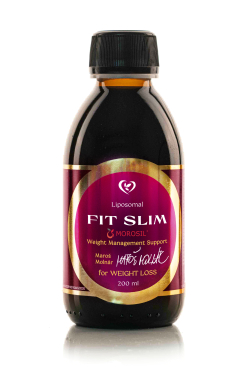
Liposomal FIT SLIM is a revolutionary product in the field of weight loss and overall...
Some people have a thyroid hormone disorder, characterized by insufficient production of this important hormone, but that is a separate topic.
The Brain and Mind During Weight Loss
If you feel hungry during the day, it’s not recommended to ignore it or let yourself go hungry. Instead, there are effective strategies you can use to curb hunger without consuming unnecessary calories.
One of the first options is staying well-hydrated. It’s recommended to drink at least 3–4 deciliters of water at a time, which can temporarily satisfy your hunger while also helping to keep your body hydrated.
Another strategic option is to always keep raw vegetables on hand, such as carrots, kohlrabi, or white radishes. These vegetables are not only rich in fiber and nutrients but also contain very few calories. The key is to eat them slowly. Chewing for an extended period not only promotes a feeling of fullness but also allows the brain to register food intake, which helps achieve effective satiety without the need to consume high-calorie foods.
Eating low-calorie foods, such as raw vegetables, slowly and mindfully is an important strategy for proper hunger management and can significantly contribute to a healthy lifestyle.
It is important to note that these methods should serve as a supplement to a balanced diet, not as a substitute for it. Always ensure that your diet is rich in a variety of nutrients and that you regularly consume balanced meals.
The importance of the liver to our health is undeniable. Caring for this vital organ through natural remedies and healthy lifestyle habits can significantly contribute to improving our quality of life.
Ing. Pavol Machnič www.zdravysvet.sk
Photo by Panagiotis Lymperopoulos from Pixabay