SK
 CZ
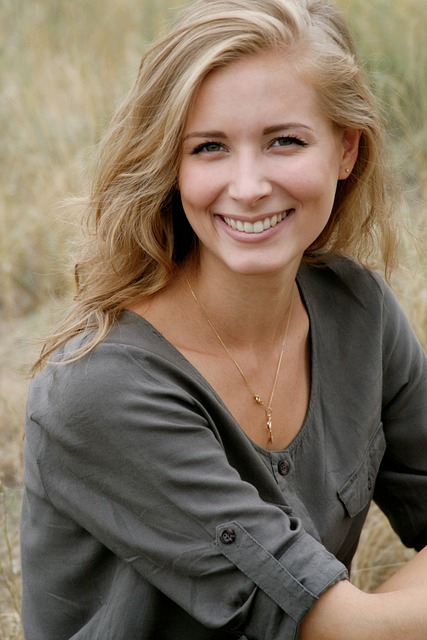
What causes osteoporosis, and who is at risk?
Hormonal Changes and Age
In postmenopausal women, estrogen levels—which protect bones from excessive breakdown—drop sharply. This is why 1 in 3 women over the age of 50 will suffer an osteoporotic fracture. Men are protected by testosterone, but as they age (over 65–70 years), their bones also weaken. We are hormonal beings, and it is precisely this hormonal decline that prevents nutrients from being incorporated where they are needed.
To stay healthy, bone tissue primarily needs collagen, as well as , for example , organic calcium, vitamin D, magnesium, phosphorus, vitamin K2, and other micronutrients. An unbalanced diet or poor absorption (e.g., due to digestive disorders) can lead to insufficient bone formation. The era of fast food fundamentally disrupts our daily food chain, which ceases to be varied—and this is a problem not only for our bones.
Furthermore, a sedentary lifestyle and lack of physical activity are major problems today. We know that musclestimulation activates osteoblasts (bone-forming cells), so regular exercise (especially strength training and walking) helps maintain bone mass. However, we’re getting less and less exercise, which is why musculoskeletal problems are on the rise. Genetics and other factors also play a role ; for example, smoking, alcohol, chronic stress (a modern-day killer and the cause of many diseases), eating disorders, or long-term use of certain medications (e.g., corticosteroids) can significantly increase this risk.
Osteoporosis is a hidden threat with a high degree of heredity and dangerous consequences
Osteoporosis is approximately 70% hereditary, so if any of your immediate relatives have suffered from it, it is of the utmost importance to begin active prevention at an early age. Although this disease does not receive as much attention as other serious conditions (breast cancer, uterine cancer), statistics show that mortality from osteoporotic complications may be even higher.
When Is the Risk Increased?
- Genetic predisposition: If your parents or grandparents had osteoporosis.
- Hormonal fluctuations and disorders:
- Thyroid problems (e.g., hyperthyroidism)
- Reduced estrogen production (e.g., menstrual cycle disorders, menopause)
- Anorexia, low body weight
- Long-termuse of corticosteroids (e.g., for autoimmune diseases) weakens bone tissue.
- Liver or kidney diseases can affect the metabolism of important nutrients (e.g., vitamin D, calcium) and trigger bone loss.
- Men are no exception —they can suffer from osteoporosis just as women do if they have testosterone production disorders or other health problems.
Why is osteoporosis so serious?
The biggest problem is its silent onset: in the early stages , not only do you feel no pain, but you also have no idea that your bone density is decreasing. People often don’t realize they have osteoporosis until they break a bone (e.g., the wrist or hip) during a routine activity or a minor fall. By that stage, osteoporosis may already be advanced, and treatment can be much more complicated.
What You Can Do
Diagnosis: Ask your doctor for a dual-energy X-ray absorptiometry (DXA) scan, which measures bone density and detects osteopenia or osteoporosis. It is a noninvasive test, usually performed on the hips or spine.
Early Intervention: If you are diagnosed with osteopenia or osteoporosis, the sooner you begin targeted treatment (special collagen peptides, vitamins D, K2, and C), the greater your chance of slowing or stopping bone loss.
Summary
Osteoporosis can have a significant genetic component and is triggered by a variety of factors—ranging from hormonal disorders to long-term use of certain medications. Because it begins silently and without symptoms, prevention (bone density screening, a healthy lifestyle, and adequate intake of key nutrients) is essential. Don’t neglect monitoring the health of your bones—early diagnosis and care will help you prevent fractures and maintain a high quality of life even as you age.

Have you ever wondered why, even though there is a vast array of calcium supplements on the market—with almost unlimited availability—more and more people are suffering from osteoporosis and osteopenia?
The reason is that bone isn’t just about minerals: while it is composed of mineral crystals (primarily hydroxyapatite), these are embedded in an organic collagen matrix.
Bone consists of mineral crystals (hydroxyapatite) embedded, as we’ve mentioned, in an organic collagen matrix. Without this matrix, the minerals would be extremely brittle and would break easily (much like concrete without steel reinforcement). Special collagen peptides increase the synthesis of bone proteins (especially collagen), promote optimal mineralization (since collagen fibers serve as the “matrix” for mineral deposition), andinhibit the degradation of existing bone tissue (by reducing osteoclast activity).
So, since collagen is the fundamental support of bone architecture, it is essential to use it to support the bone matrix.
However, not all collagen is created equal. Regular collagen will do little to help your bones. We need collagen peptides to have a specific amino acid profile that sends a “growth signal” to osteoblasts, prompting them to form higher-quality bone fibers. The latest studies indicate that these specifically targeted collagen peptides are more effective than ordinary hydrolyzed collagen.
Current scientific findings and research updates indicate that in recent years, in the treatment and prevention of weakened bones (osteopenia, osteoporosis, and even bone fractures), it has become clear that one of the keys to a strong skeletal system and healthy bones is NOT calcium (although it is, of course, also important), but rather proper support of the bone matrix. The latest scientific evidence suggests that specific collagen peptides are capable of stimulating osteoblasts (bone formation) and reducing the activity of osteoclasts (which are responsible for breaking down and weakening bones).
In this way, they contribute to better regeneration and maintenance of bone tissue.
So, not only for those suffering from osteopenia or osteoporosis, but also, for example, after a bone fracture, it is essential to focus not just on calcium intake, but on the comprehensive regeneration of the entire bone structure. This is precisely why comprehensive supplements or the intake of a full complex of nutrients are necessary for healthy bones.
Collagen for bones, along with vitamins D3, K2-MK7, and natural vitamin C, are the indispensable pillars of a healthy skeletal system.
We’ve already discussed collagen; we recommend supplementing it with natural calcium from bryndza. We’re all probably familiar with the Slovak phenomenon known as bryndza. Why bryndza? Because, in addition to calcium, it contains an incredible amount of healthy nutrients that sheep gathered from medicinal plants in the meadows—plants they consumed as part of their diet—as well as a wealth of probiotic cultures for a healthy gut. Some may object that they aren’t able to eat bryndza every day, and some people simply don’t like the taste of bryndza. That’s why we’ve prepared NATURAL natural probiotics for you—100% pure, unpasteurized, freeze-dried sheep bryndza in enteric-coated capsules. Since it is unpasteurized, every batch is tested for tick-borne encephalitis to ensure safety. This way, you can consume it daily without worry.

The most modern approach to maintaining bone strength recognizes that bone health isn’t just about minerals, but also about the right biochemical balance.
Let’s briefly discuss the individual elements necessary for collagen. These include, in particular, vitamin K2-MK7, which directs calcium from the blood into the bones and prevents its improper deposition in blood vessels. The latest research shows improvements in bone density parameters with long-term use of K2. Next is vitamin D3, which maximizes the absorption of calcium and phosphorus in the intestine. It is necessary for maintaining proper blood calcium levels, thereby supporting bone mineralization and strong teeth. Natural vitamin C from acerola is also very important . It aids in collagen synthesis (the basic “support structure” of bones). It acts as an antioxidant, protecting bone cells from free radicals. Scientists in Slovakia conducted research on the origin of vitamin C. The form isolated from plant fruits showed significantly better results than conventional L-ascorbic acid.
These ingredients are designed to provide comprehensive support for bones—from the formation of the collagen network to the proper deposition and utilization of calcium.
What do modern studies say about collagen and bones?
Scientific journals (e.g. , Nutrients, Clinical Interventions in Aging) report that specific collagen peptides can significantly improve bone density markers, reduce joint pain, and enhance mobility in individuals with osteopenia or osteoporosis in as little as 3–6 months. Combining them with vitamins D3, K2, and C further enhances their effect, helping to maintain a balance between bone formation and resorption.
We took these findings into account when formulating the “Bones” supplement and supplemented it with medicinal plants that act as catalysts to ensure the active ingredients are properly incorporated into the bone structure. This is how our Liposomal Osteo Maximum was created
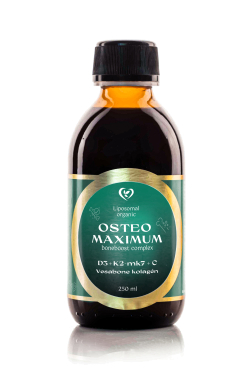
Liposomal Osteo Maximum: Who Is It For?
- Women who are breastfeeding or going through menopause— during lactation, women may lose some bone mass, so it’s crucial to support bone regeneration with a supplement containing collagen peptides, vitamins D3, K2, and C. Many women breastfeed their children for a long time and do not realize that during breastfeeding they need to increase their intake of essential nutrients; a regular diet is not enough—they need a rich and varied diet, and Osteo Maximum with NATURAL bryndza is an excellent choice. During menopause, there is a significant drop in estrogen levels, so women need specific support for their bone mass.
- People with fractures and active athletes— collagen and sufficient micronutrients (vitamins C, D, K2, and natural calcium) are essentialfor fracture healing. Athletes and people with active lifestyles will appreciate stronger bones, faster healing, and a lower risk of stress fractures.
- Prevention and treatment of osteoporosis and osteopenia—modern medicine emphasizes a comprehensive approach: not just calcium, but above all collagen as the foundation of bone structure, plus vitamins D3 and K2, and NATURAL bryndza, which support the transport of minerals into the bones.
- Dental, Joint, and Skin Health: NATURAL calcium and collagen are also important for dental strength and cartilage firmness. Vitamin C, in turn, aids in collagen production in the skin and helps prevent skin aging.

Summary
Osteo Maximum , a cutting-edge scientific supplement containing special Vesabone collagen along with vitamin D3, natural K2-MK7, and natural vitamin C, offers comprehensive support for the bone matrix. We recommend adding NATURAL bryndza to your daily routine as well. Thanks to unique collagen peptides, bone tissue is provided with the “reinforcement” without which calcium and other minerals would struggle to be properly absorbed. This state-of-the-art approach is supported by numerous studies and meets the needs of women during critical periods (breastfeeding, menopause), athletes, and individuals recovering from fractures. Osteoporosis is often referred to asthe “silent bone thief”because it progresses for a long time without symptoms until a fracture occurs.
If you’ve been diagnosed with osteoporosis, it’s necessary—and in fact essential—for you to take a product like Osteo Maximum on a rotating basis with Omega & Babyover the long term.
Try Liposomal Osteo Maximum with Vesabone and give your bones what they really need— solid support, protection, and complete nutrition. Don’t ignore the silent threat of osteoporosis. Through regular checkups, a sensible diet, and the right dietary supplement, bone tissue can be protected and strengthened over the long term—and that’s the best way to prevent fractures, which can significantly reduce your quality of life.
Ing. Pavol Machnič, longevity seeker & biohacker pavolmachnic999,
 pavolmachnic999,
 palo.machnic
Photo by ImaArtist, Ranys Tuunainen, Angelo Esslinger from Pixabay