SK
 CZ
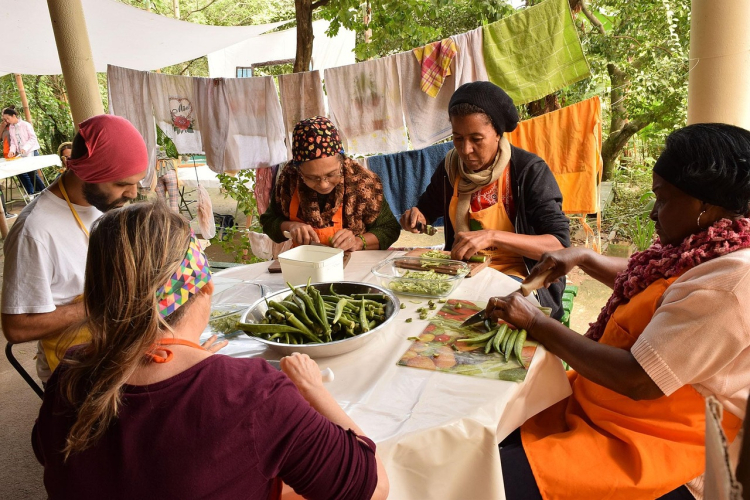
People used to believe that food was just “fuel” to give us energy. Today we know that food is also information—it activates genes, alters metabolism, and accelerates or slows down aging. Two “blue zone” diets are in the spotlight today: the Nordic diet and the Mediterranean diet—both provide different evidence that they extend life. But at their core lie two different oils that form their foundation: rapeseed oil, which is the basis of the Nordic diet, versus olive oil, which is the basis of the Mediterranean diet. Let’s look at the Elixir of Light in drops of oil—at the moment when fat becomes information about life, because fats are the very essence of these diets. We’ll examine the individual components of these diets later.

1️⃣ Fat as the Language of Biology
As we already know from my previous article, where we took a closer look at OMEGA-3 under the microscope, fat is not the enemy, but rather the medium through which the body communicates with our genetics. Different fatty acids send different signals: some promote inflammation, while others suppress it. Therefore, choosing an oil isn’t just a matter of taste, but a biological decision—it’s about what we want our cells to do.

2️⃣ Two Worlds—Canola and Olive Oil on the Scales ⚖️
Canola oil—let’s call it the Nordic pragmatist
It contains a favorable omega-6 to omega-3 ratio (approximately 2:1). However, it contains only ALA (α-linolenic acid) —that is, plant-based omega-3—but its conversion to EPA/DHA is only 2–5%!!! Few people realize this. Everyone highlights the favorable omega-6:omega-3 ratio, but it comes from an almost negligible amount. It therefore lacks a “bioactive ‘soul’”—that is, the microcomponents that make olive oil, for example, exceptional compared to other plant oils.
It is nutritionally sound but “cold”—it has few polyphenols, i.e., antioxidants that protect cells from aging. Canola oil is nutritionally balanced but spiritually “cold.” It works, but it doesn’t heal. It nourishes the body, but it doesn’t awaken the cells.
It is suitable for cooking, but not as a carrier of bioactive signals.
Olive oil—let’s call it the warmth of life
The high content of monounsaturated fats (MUFA) in olive oil lowers LDL and improves HDL cholesterol. It is rich in oleic acid (up to 80%) and polyphenols (e.g., 511 mg/kg). Polyphenols are potent antioxidants, anti-inflammatory agents, and neuroprotective compounds.
It remains stable even when gently heated. It promotes longevity, cognitive function, and heart health —the foundation of the Mediterranean longevity effect. Polyphenols are not just antioxidants—they are epigenetic signals that activate longevity genes. Unlike most fats, olive oil does not damage mitochondria; rather, it regenerates them. Olive oil is more than just a fat.
It is a living extract from the leaves and fruits of the olive tree that teaches cells resilience. The polyphenols in it act as silent guardians of time, protecting DNA, mitochondria, and blood vessels from the wear and tear of aging.
That is why the Mediterranean diet is considered not only healthy—but biologically wise.
My note: Some might object that olive oil contains no omega-3, but I take omega-3 daily from extra-strength fish oil with 2,000 EPA and 1,000 DHA, as well as krill oil. So this is how I “tune” my olive oil with omega-3. I use olive oil in my meals every day. Together, this creates the perfect combination: “Olive Oil + Omega-3.” Could it be that I’ve just invented the Mediterranean Diet 2.0?

3️⃣ THREE GENES OF LONGEVITY: SIRT1, NRF2, and PGC-1α—three silent guardians of life’s balance and protectors of life
Let’s take a brief interlude now. I often mention that a constant battle rages within our cells between renewal and decay, between the light and shadow of metabolism. That’s why it’s worth saying a little more about the cells’ protectors and how to strengthen them so they can do their job well. We have three silent protectors in our cells, and their names are SIRT1, NRF2, and PGC-1α. It’s easy to remember them.
SIRT1—let’s call it the gene of silence and regeneration
SIRT1 acts as the conductor of cellular calm. When the body has enough antioxidants and less stress, this gene is activated and triggers the process of DNA repair, the recycling of damaged cell components, and the formation of new mitochondria. Olive polyphenols and, for example, resveratrol from grapes act like a key that unlocks SIRT1, thereby extending the lifespan of cells.
NRF2 – A Shield Against Oxidation
NRF2 is our internal “fire suppression system.” When stress or free radicals appear in a cell, NRF2 is activated and triggers more than 200 genes that protect cells from inflammation, toxins, and oxidation. It’s like switching the body into detox mode. Olive polyphenols, curcumin, and sulforaphane from broccoli gently train this system to remain on standby—without exhausting it.
PGC-1α – The Spark of the Mitochondria
PGC-1α regulates the formation and regeneration of mitochondria—our “internal power plants.” Without this protector, the body would lose energy, the brain would slow down, and muscles would weaken. Olive polyphenols and exercise activate PGC-1α much like physical training—they teach cells to burn fat efficiently and produce energy cleanly, without the “smoke” of inflammation.
Together, these three guardians form the three pillars of longevity —creating harmony between protection, cleansing, and renewal. When the body receives the right fats, exercise, sleep, and rest every day, these genes are activated, and aging transforms from decline into evolution.
4️⃣ Nordic Nutrition—Discipline, Cold, and the Strength of the North
The Nordic diet has its own rational system and strict discipline that deserves respect. The Nordic diet is based on fish, whole grains, canola oil, and vegetables. It contains fewer polyphenols but more ALA polyunsaturated fatty acids (PUFAs) and antioxidants from berries (e.g., blueberries, blackberries). It emerged as a natural response by the countries of Northern Europe to the harsh climate and short growing season.
It is not a diet, but a philosophy of survival in an environment of cold, silence, and light, which generates more thermal energy. It works, but is less “spiritual”—it does not provide the body with as many epigenetic signals for regeneration. The Nordic diet is based on the same pillars as the Mediterranean diet—plant-based foods, fish, whole grains, and healthy fats—but their origin, composition, and biochemistry reflect a completely different ecosystem.

The nutritional profile is clean, but cold
- Canola oil is at the heart of the Nordic diet. Yet it lacks the warm, antioxidant touch of polyphenols found in olive oil.
- Berries (blueberries, cranberries, currants) are Nordic polyphenol wonders —they’re high in anthocyanins, which protect the brain and blood vessels.
- Cruciferous vegetables and root vegetables are sources of glucosinolates and sulforaphane, which support liver detoxification and the activation of the NRF2 gene—the same protective factor that olive oil also stimulates.
- Fish provide true omega-3s (EPA and DHA), molecules that are beneficial for the brain and heart—unlike plant oils, which are sources only of precursors (ALA).
The Biological Logic of the Nordic Diet
In a cold climate, the body needs stable energy (from complex carbohydrates and fats), strong protection against oxidation (from berries, seaweed, and cruciferous vegetables), and a balanced fat profile that does not promote inflammation.
That is why the Nordic diet appears as a “cold fire”—energy that burns slowly, without smoke. Its purpose is not to stir up passion, but to maintain balance and resilience.
The Biochemical Philosophy of the North—Impact on Health and Longevity
In the cold, the body doesn’t need a quick spark—it needs a steady fire. The Nordic diet therefore reduces inflammation, stabilizes insulin levels, and strengthens the immune system. It reduces the risk of cardiovascular disease and type 2 diabetes. It improves insulin sensitivity and lowers cholesterol levels. Thanks to its high fiber and antioxidant content, it supports the gut microbiome and the digestive system.
From a genetic perspective, it primarily activates NRF2 and AMPK, pathways associated with detoxification and energy-saving metabolism. Unlike the Mediterranean diet, however, it only weakly stimulates SIRT1, the gene responsible for regeneration and DNA repair, because it lacks fat-soluble polyphenols.
It is a diet for sustaining life, not for making it flourish —it quietly protects, but does not awaken. If the Mediterranean diet speaks of a life that flourishes, the Nordic diet teaches us how to survive. Where the south brings joy, the north brings peace. Where olive oil warms the genes of regeneration, rapeseed oil keeps them at rest—like a frozen lake that protects life beneath the surface.

5️⃣ Mediterranean balance—the warmth of life and the intelligence of nature, nutrition as harmony,
Mediterranean nutrition is more than just a way of eating—it is a culture of balance between people, the land, and the sea. It was born in an environment where the sun touches the olives, herbs, and the sea—and it is precisely this touch of light that is transferred to the food, which has become a symbol of longevity, energy, and inner peace. The Mediterranean diet is not a diet, but a ritual of renewal —slow eating, movement, contact with the sun, sleep…

Unlike the Nordic diet, which teaches the body to survive the cold, the Mediterranean diet teaches cells to live mindfully. It is not about discipline, but about connection—between fat, plants, humans, and their biology.
The Biochemical Logic of the Mediterranean
A body living in warmth needs more than just calories—it needs antioxidants, polyphenols, and healthy fats that reduce inflammation and protect the mitochondria. The key ingredient— extra virgin olive oil —contains oleic acid (75–80%) and polyphenols (200–800 mg/kg). These polyphenols aren’t just ordinary antioxidants—they’re signals for our genes.
As I mentioned earlier, they activate SIRT1, NRF2, and PGC-1α —three genetic pathways that regulate regeneration, detoxification, and energy production. That’s why the Mediterranean diet not only reduces the risk of disease but also actively restores the biological age of cells.
In addition to polyphenols, it also contains a high percentage of oleic acid, which is a key component that many overlook, even though it is the very essence of olive oil. Oleic acid is like the silent force in olive oil.
Oleic acid
is a monounsaturated fatty acid (omega-9) that makes up 70–80% of olive oil. It is a fat that does not promote inflammation but, on the contrary, soothes the body’s internal environment.
Why it’s exceptional:
- It raises levels of “good” HDL cholesterol and lowers LDL, thereby protecting blood vessels.
- It is stable against heat and oxidation, so it does not break down during normal cooking.
- It strengthens cell membranes —making them flexible yet resilient.
- Together with polyphenols, it activates the SIRT1 and PGC-1α genes, which support mitochondrial regeneration and slow down aging.
- It also has a mild antimicrobial and anti-inflammatory effect that supports gut balance.
Simply put:
oleic acid is a fat that helps cells breathe easily.
This is why olive oil is not only delicious but also an exceptionally stable, heart-healthy, and sustainable fat —the foundation of the Mediterranean diet. Olive oil works synergistically with herbs, vegetables, nuts, and fish—creating an anti-inflammatory ecosystem. In terms of diet, this means a whole set of foods, substances, and biochemical interactions that together maintain the body’s inflammatory balance— that is, they do not forcibly suppress inflammation but prevent it from becoming chronic.
It is more than just the sum of its anti-inflammatory components—it is a living system of interactions that works synergistically. Polyphenols from olives and flavonoids from wine or citrus fruits work together to activate the body’s defense pathways.
The result is not just a longer life, but a life with less damage. That’s crucial!

Clinically Proven Effect on Longevity
The PREDIMED study (NEJM, 2013) demonstrated that people who consumed olive oil daily had:
- a 30% lower risk of heart attack, stroke, and death from cardiovascular causes.
- reduced inflammation (CRP, IL-6) and oxidative stress.
- improved endothelial function, blood sugar balance, and blood lipid levels.
- better protection of cognitive functions (Alzheimer’s, Parkinson’s)—thanks to the effects of polyphenols on neuronal mitochondria.
The Microbiome—A Silent Mirror of the Mediterranean
The Mediterranean diet naturally promotes the growth of anti-inflammatory bacteria (Faecalibacterium prausnitzii, Akkermansia muciniphila). Olive oil, fiber, and herbs transform the microbiome into a balanced ecosystem —reducing endotoxins that damage blood vessels and the nervous system. The body becomes less acidic, less aggressive— more harmonious.
The Philosophical Dimension—Life in Motion and Stillness
The Mediterranean diet is more than just what we eat—it’s how we eat. Eating slowly , feeling the sun on our skin, and laughing at the table—all of this activates the parasympathetic nervous system, the system of rest, regeneration, and energy renewal, which is the opposite of the sympathetic nervous system, the system of activity, stress, and fight-or-flight.
In this harmony, physical nourishment merges with emotional nourishment—and that is precisely why this diet promotes longevity, not just good health.
The Biological Poetry of the Mediterranean
If the Nordic diet represents the wisdom of survival, the Mediterranean diet is the art of living.
Where the north conserves energy, the south creates it. Where rapeseed oil nourishes, olive oil inspires.
And between these two poles—cold and light— a balance is born that every cell seeks.
6️⃣ Why Olive Oil Wins for Longevity
Olive oil with a high polyphenol content (e.g., our excellent Vesantech EVO² with 611 mg/kg of polyphenols) isn’t just fat—it’s biomimetic information that mimics the natural membranes of our cells. That’s why they say olive oil doesn’t age—and neither do those who use it. Polyphenols from olives act as “training for cells,” creating mild stress that leads to strength (hormesis). Oleic acid harmonizes our inner self. Together, they produce a significant anti-aging effect.

CONCLUSION:
Every drop of olive oil contains the code of wisdom from plants that have learned to survive both light and darkness. When such oil, imbued with this wisdom, enters our cells, it teaches them the same thing— how to live long, slowly, and mindfully. That is why the Mediterranean diet is not just a culinary culture, but the epigenetic poetry of life. That is why I rank it a step ahead of the Nordic diet.
I think my hunch at the beginning of this article was correct; for me, the Mediterranean diet has won by a hair. Both diets, however, are paths to balance, though each comes from a different end of the spectrum: North —purity, discipline, defense, energy conservation. South —vitality, renewal, communication, transformation.
Don’t forget, though, that you can still become obese on either the Nordic or Mediterranean diet, which can lead to health problems. So don’t forget about calorie restriction.
Photo by carlaborella, Fabio, Leopictures, Hans from Pixabay