SK
 CZ
In this article, you can read about:
- What is licorice?
- How licorice root works
- The effects of licorice
- Uses of licorice
- Licorice tea
- Licorice for cold sores
- Side Effects of Licorice
What Is Licorice?
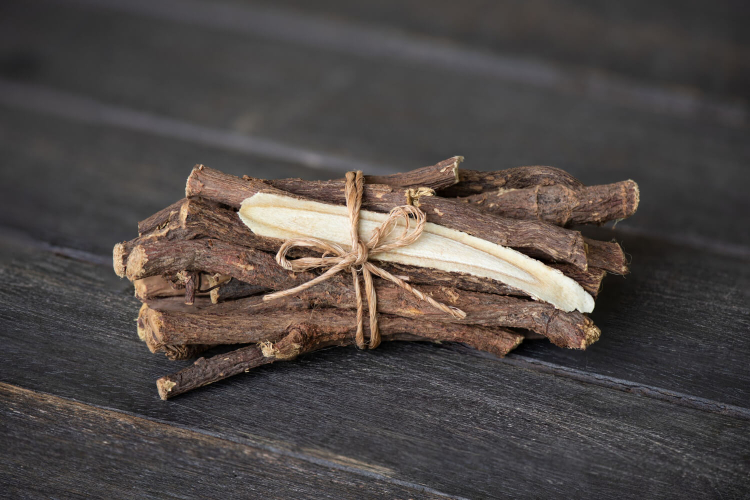
Licorice is a perennial herb that grows to a height of 1 to 1.5 meters. It is characterized by a thick, long stem and long roots. It thrives in subtropical climates. Its Latin name can be translated as “sweet root,” and it is sometimes also called “sweet wood.”

The root is the most commonly used part of the plant, typically harvested in the fall. This root can grow to a depth of up to 3 meters. It is dried at a temperature of around 30 °C. The root extract is prepared by grinding it, resulting in a thick, black-colored mass that you may recognize, for example, from the popular candy “pendrek.”

How Licorice Root Works
The first records of licorice root harvesting date back as far as prehistoric times. Even then, the root was often used not only as food but also as medicine. In the past, licorice root was even found in Tutankhamun’s tomb. Today, licorice is most commonly found in the popular field of Ayurvedic medicine. However, licorice root is also a component of traditional Chinese medicine.
The properties of licorice are:
- anti-inflammatory,
- antibacterial,
- antiviral,
- detoxifying,
- anti-perspirant,
- mildly stimulating.
Licorice contains phytoestrogens, polysaccharides, saponins, glycosides, fatty acids, and even organic acids. It is also rich in a wide range of vitamins, including B, A, C, K, and E. Licorice root also contains manganese, iodine, calcium, sodium, potassium, iron, selenium, and zinc.
What are the benefits of licorice?
Licorice root is an excellent remedy for colds and coughs. Among the effects of licorice is the loosening of mucus, which is why it’s an ingredient in many candies, chewing gums, and teas. Licorice helps relieve recurring cramps, has anti-inflammatory properties, and is also used to treat gastrointestinal disorders. It has antiviral and antibacterial effects.
Are you interested in other ways to support your respiratory system?
Read our article: Thyme: An Herb for Healthy Breathing
Other benefits of licorice:
- easier expectoration,
- diuretic properties,
- support for adrenal gland function,
- help in treating chronic fatigue syndrome,
- regulation of metabolism,
- relief from menstrual discomfort,
- faster healing of eczema.
Licorice aids in normal digestion. It provides energy and significantly strengthens the immune system. It is an antioxidant that supports the body’s proper functioning. It also contributes to mental health by calming and balancing the nervous system. Furthermore, licorice helps improve skin condition.
Uses of Licorice
Among other things, licorice is used as a sugar substitute, i.e., as a sweetener. You can try the root, powder, licorice extract, or syrup. Licorice can be used in both cold and hot dishes, as a flavoring for both savory and sweet foods. It can be combined, for example, with ginger, cardamom, or anise and fennel.
Why should we try licorice?
- It supports respiratory health,
- supports proper digestive system function,
- it helps reduce stress and mental health issues,
- it promotes oral health,
- and promotes healthy, radiant skin.
In addition to flavoring foods and beverages, licorice is used to produce oils. Many people are surprised to learn that it’s used to flavor liqueurs, wine, or vodka. Can you think of any dishes that include licorice? How about caramel, chocolate, Turkish delight, or ice cream?
Make some licorice tea
Making licorice root tea is quick and easy. Just pour boiling water over one teaspoon of crushed licorice root. For one serving of tea, 250 ml of hot water will suffice. Then let it steep for at least 15 minutes, and strain it. Treat yourself to one or two cups of this tea daily. This tea is also suitable for applying to problem areas of the skin.

Get Rid of Cold Sores
Problems with the immune system can manifest as viral and bacterial illnesses. In addition to the flu and other illnesses that bring on fever, joint pain, and digestive issues, cold sores—herpes—may also appear. Ideally, focus on prevention and supplement with liposomal vitamins and natural superprobiotics. If a cold sore has already appeared, try the anti-inflammatory properties of licorice root in tincture form. This herbal tincture is used not only for herpes but also for gynecological issues, heavy bleeding during menopause, or recurrent yeast infections.
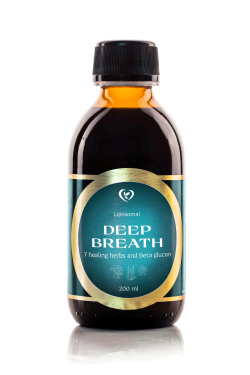
Which vitamin is lacking in cases of herpes?
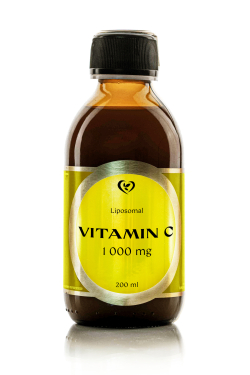
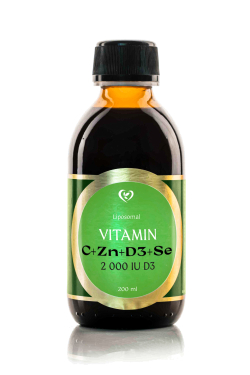
We recommend taking vitamin B for herpes, as it perfectly supports the immune system. Thanks to it, herpes sores dry out faster and heal more quickly. Also, try incorporating dietary supplements containing vitamin C, vitamin E, and zinc into your diet.
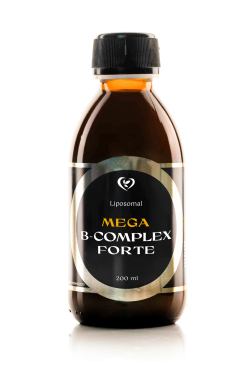
Liposomal Vitamin B Complex Forte with High Bioavailability
Side Effects of Licorice
Side effects include conditions associated with increased blood pressure. Therefore , licorice tea and other products containing licorice are not recommended for people being treated for high blood pressure, as well as those with sodium retention and potassium loss. Shortness of breath and vision problems may also occur. Licorice can also cause swelling. It has blood-thinning properties and should not be taken with blood-thinning medications. If you experience any health issues, always consult your doctor. Licorice should not be used during pregnancy or while breastfeeding. Long-term use is generally not recommended.