SK
 CZ
In this article, you’ll learn:
- Characteristics of wild thyme
- Growing wild thyme
- Flowering and harvesting of motherwort
- The benefits of motherwort
- Uses of motherwort
- Interesting Facts About Motherwort
- Recipe Ideas with Thyme
- Does wild thyme have any side effects?
Wild thyme, formerly known as mother’s thyme, colloquially: žadovník, materinka, materonka, materovka, živilka, kukučka; Latin: Thymus serpyllum, is a medicinal herb from the mint family (Lamiaceae). It is native to Europe and North Africa.
In today’s article, we’ll reveal the effects of wild thyme, advise you on when to harvest this herb, and show you how to use it. We’ll also include some interesting facts and recipes.

What are the characteristic features of wild thyme?
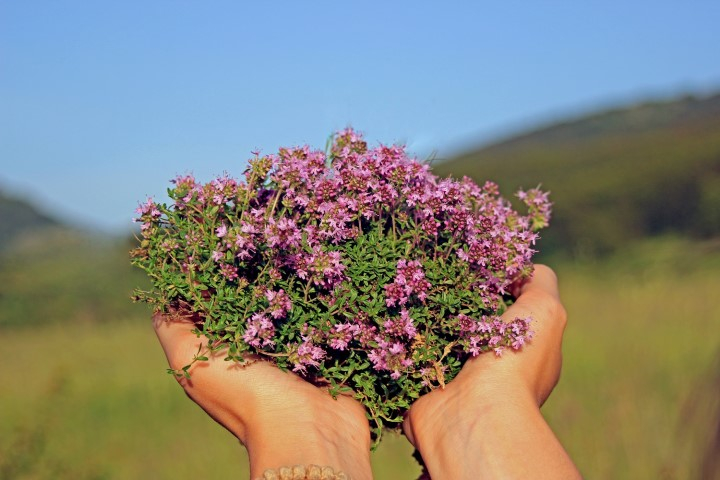
Oregano is one of the most sought-after medicinal herbs. It has a distinctive, pungent, delightful, and unmistakable aroma. It is a small, heat-loving herb with a creeping, woody stem up to 30 cm tall. Its flowers are purple. It can be found in sunny meadows, fields, and pastures.
Did you know that thyme, which is also very well known, is very similar to wild thyme? Thyme is used primarily in the kitchen as a spice in a wide variety of dishes. It has the same medicinal properties as wild thyme. Common thyme (Thymus vulgaris), cultivated as a spice, is a cultivated form of the wild species wild thyme (Thymus serpyllum). It has traditionally been used to treat menstrual disorders.
Tip: For menstrual cycle problems ,a combination of the “Menstrual Cycle Problems” and “S2”tinctures is often recommended .
Thyme is suitable for growing in gardens or rock gardens
Wild thyme can be grown in our gardens, rock gardens, pots, and even on balconies. It needs well-aerated, slightly stony soil, less moisture, and plenty of sun. When growing wild thyme, just keep in mind that its location should be sheltered from strong winds.
When does wild thyme bloom, and how do you harvest it?
It blooms from May through August. The best time to harvest wild thyme is from June through September at noon on a sunny day. Harvest the flowering tops by cutting them—never pull them, as this would damage the roots. Dry them at a temperature of 35°C in small bundles.
Several botanical varieties of wild thyme can even be found here in our country. However, they are very similar and have equivalent effects.
Do you know the effects of wild thyme?
- It treats bronchial diseases, even chronic conditions;
- strong expectorant effects; it also helps with severe coughs,
- seasonal illnesses—colds, sore throats, bronchitis,
- calms and strengthens the body,
- helps with insomnia or falling asleep, reduces nighttime awakenings,
- antidepressant effects, anti-stress properties,
- antiseptic effects; contains thymol and carvacrol—which combat viruses, bacteria, and parasites,
- helps with menstrual discomfort,
- benefits the digestive tract; contains tannins and flavonoids; helps with cramps, bloating, and bowel movements;
- externally used for skin rashes and acne,
- and is also used in baths to treat rheumatism.
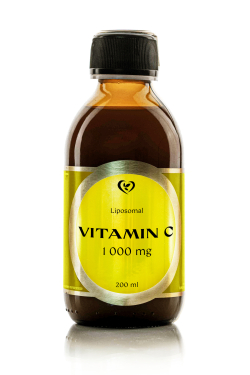
The most well-known use of this herb is in the treatment of respiratory tract conditions. It promotes expectoration, loosens mucus, and relieves dry coughs. If you wish to drink thyme tea, please note that for best results, it is recommended to combine the tea with tinctures and oils. We also recommend taking high-quality probiotics and liposomal vitamin C.
Thyme is also used to treat insomnia, melancholy, and low mood. If thyme tea doesn’t help you relax, you can try other natural remedies. We recommend CBD and CBG oils or herbal tinctures.
Tip: If you have trouble sleeping, read our article “How to Fall Asleep: 5 Rules of Sleep Hygiene!”

What parts of motherwort do we use?
Definitely the flowering tops, tiny purple flowers, and leaves.
Interesting Facts About Motherwort
Monks knew this herb for its calming effects. They called it “God’s herb.” They grew it in monastery gardens and used it to suppress sexual desire. It is said that when you boil thyme in milk, it is stronger than holy water and wards off all spells. Oregano harvested on St. John’s Day at the “nine boundaries” helps ward off all spells.
Tips for recipes using wild thyme:
Use it to make a tasty, delicious, and healthy tea. Feel free to sweeten it with honey or add a squeeze of lemon.

You can also make a syrup from wild thyme flowers and leaves. Pour ½ liter of water over 10 tablespoons of chopped wild thyme flowers and leaves. Add 1 deciliter of white brandy and let it steep for 1–2 days. Strain it, add 4 tablespoons of honey, warm it slightly, stir well, and store in a dark bottle in a cool place. Take one teaspoon three times a day after meals. The syrup has a calming effect and promotes healthy breathing.
Thyme Remedy
Fill a bottle with thyme flowers and pour cognac over them. Let it macerate for 3 weeks in a sunny spot. Strain, add a tablespoon of honey, and take one teaspoon 3 times a day after meals. Take more frequently during severe coughing fits.
Syrup for Lung Diseases
Mix equal parts of thyme, mullein, linden, plantain, lungwort, and yarrow. Add 10 tablespoons of the mixture to 1 liter of water, bring to a brief boil, let cool slightly, strain, and add 1 kg of natural sugar. Mix well and pour into a dark bottle. Take one teaspoon 3 times a day after meals.
Thyme: Does It Have Side Effects?
It’s important to remember that too much of anything can be harmful. This is especially true with long-term use of any herbs or medications. In general, wild thyme does not cause side effects. However, side effects can be more serious—except perhaps those related to allergic reactions or hypersensitivity. Although an allergic reaction cannot be predicted, there is a small precaution you can take. If you are allergic to basil, mint, sage, rosemary, oregano, lemon balm, lavender, or celery, it is best to avoid wild thyme. Caution is advised if you have kidney problems, thyroid issues, or problems with red blood cell production. Thyme tincture is not recommended during pregnancy, so always consult a doctor first.
Thyme is one of the herbs that herbalists recommend using for the issues mentioned above. Therefore, you can try some of our recipes as soon as the first symptoms of an illness appear, and we believe they will help you overcome the illness right from the start. Always remember the wisdom that illness comes to us when we need to learn something from it, or when we need to make a change in our lives. The saying still holds true: “If you are not willing to change your life, there is no help for you.” Hippocrates
Scientific Studies and Clinical Validation
Antioxidant and antimicrobial activity: The essential oil inhibits free radicals with an efficacy of up to 82.4% DPPH and exhibits strong inhibition of pathogenic biofilm-forming bacteria at an MIC of 0.20–0.78 µL/mL.
Anti-inflammatory effects: Aqueous and alcoholic extracts inhibit hyaluronidase (IC₅₀ 118 µg/mL) and lipoxygenase, confirming their utility in treating skin and systemic inflammatory diseases.
Clinical study: A pilot human study demonstrated that a supplement containing wild thyme extract improves bowel regularity and quality of life in subjects without serious adverse effects.
Sources: Dionýz Dugas: 500 Best Folk Medicine Recipes, mediteka.sk/google/wikipedia