SK
 CZ
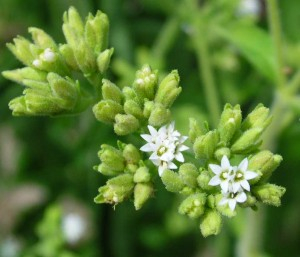
As early as the mid-20th century, scientists knew that the sweet compounds in its leaves were not harmful to human health and could serve as a suitable substitute for artificial sweeteners. Native Americans, who have tested this in practice, have known this for millennia. And what is even more important—and why indigenous cultures value it—is not just its high sweetness, but also its high content of organic compounds essential for human life: beta-carotene, stigmasterol, tannins, volatile plant oils, proteins, rutin, riboflavin, thiamine, vitamins A and C, niacin, fiber, and more than 60 other compounds—which, of course, artificial sweeteners do not contain.
So why don’t we use stevia to sweeten our food, when everything is so simple and clear?
There are several reasons. For example, certain companies make huge profits from chemical (i.e., unnatural) artificial sweeteners. These include saccharin, aspartame, cyclamate, acesulfame, and others. Naturally, they don’t want to give up their profits, so they lobby; another enemy of stevia is the sugar beet. Its growers and processors are happy to join this lobbying effort, as are manufacturers of sweetened beverages, the pharmaceutical industry, and others. And so stevia—which, moreover, freezes in European winters—is unable to win the battle against its enemies but enjoys a good reputation where it is appreciated. It is encouraging that, thanks to EU agricultural policy, we will gradually stop growing sugar beets, and many will come to love the humble stevia, which can be grown at home in a pot.
The Japanese were the first in the world (apart from South American Indians) to recognize the great importance of steviosides; as early as 1973, in the interest of protecting public health, they restricted the use of chemical artificial sweeteners and recommended that the food industry use steviosides. Global corporations such as Coca-Cola and Pepsi-Cola were forced in Japan to switch from artificial sweeteners to steviosides. Following the Japanese, the Chinese also began incorporating stevia into diet foods.
As a result, nearly one-third of the world’s population now uses stevia and steviosides. The U.S. handled this with its characteristic ingenuity: while the Food and Drug Administration (FDA) banned its use in the food industry, to prevent companies from losing profits, it can be used in dietary supplements and cosmetics—allowing them to generate even more revenue.
It is used to make skin toners, creams, toothpastes, acne treatments, sweetening tinctures, and more. In the EU, it had to fight for recognition for years; in many countries, its cultivation was banned—for example, in Slovakia and the Czech Republic.
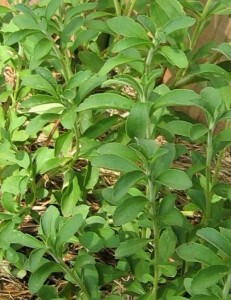
But times have changed, and today you’re not committing a crime if you buy or grow this medicinal plant. Apparently, it has finally been proven that it is not harmful to the human body. Unfortunately, you won’t find any official sources specifying what exactly is supposed to be harmful or what specifically was studied. (For example, not a single global institution seems particularly concerned about alcohol.)
What are the effects of stevia?
So far, research has shown and proven the following: face masks made from it eliminate wrinkles and scars left by acne or chickenpox. In Ukraine, after the Chernobyl disaster, rescuers were given tea sweetened with stevia leaves because steviosides help flush out radionuclides. Scientific literature indicates that steviosides have a positive effect on the human body.
- They regulate blood sugar levels,
- increase pancreatic activity,
- improve glucose balance,
- increase energy levels,
- stabilize blood pressure,
- accelerate recovery after exercise,
- increase the body’s ability to burn fat,
- improve memory capacity,
- slow tissue degeneration,
- balance evening fluctuations in energy levels,
- reduce sugar cravings,
- reduce physical and mental fatigue,
- interfere with the mechanism that triggers hunger,
- reduce scars (e.g., from acne),
- have antiseptic properties, making them effective for treating injured skin, are effective in treating candidiasis,
- have antimicrobial properties that slow the growth of streptococci and other bacteria,
- are used to treat acne and eczema,
- relieve pain
- are an important preventive measure against diabetes
Uses of Stevia
Food industry:
- a substitute for artificial sweeteners and sugar in virtually all types of food,
- production of alcoholic and non-alcoholic beverages,
- dairy industry (yogurts, powdered milk, condensed milk),
- canning industry (its antiseptic properties are an advantage),
- chocolate and baking industries, ice cream.
Pharmaceutical industry:
- as a substitute for artificial sweeteners and sugar in medications with an unpleasant bitter taste,
- tablets for diabetics,
- candies containing stevioside to prevent tooth decay.
Cosmetics industry:
- skin care products,
- toothpaste for children—to prevent tooth decay.
My own experience with stevia
Anyone expecting a plant that’s 500 or more times sweeter than sugar to taste like Turkish delight will be disappointed; it’s a bit bitter, even though it sweetens very well—though not always evenly. Dried leaves, for example, are sweeter than fresh ones. It’s sweetest in May, just before it starts to bloom. One leaf is enough to sweeten about 4 dcl of a beverage.
I almost never manage to keep the plant in good condition during the winter. It’s supposed to overwinter in the basement like geraniums, but I don’t have a basement, so in the winter I use dried leaves, and from April through November—this year it’s still beautifully fresh. You can buy it in Hungary, the Czech Republic, and now even in Slovakia; the price is about 2–3 € for a small pot with one plant (I’ve even seen it for 10 € Sk, but that’s a waste of money)—it’s good to have about three.
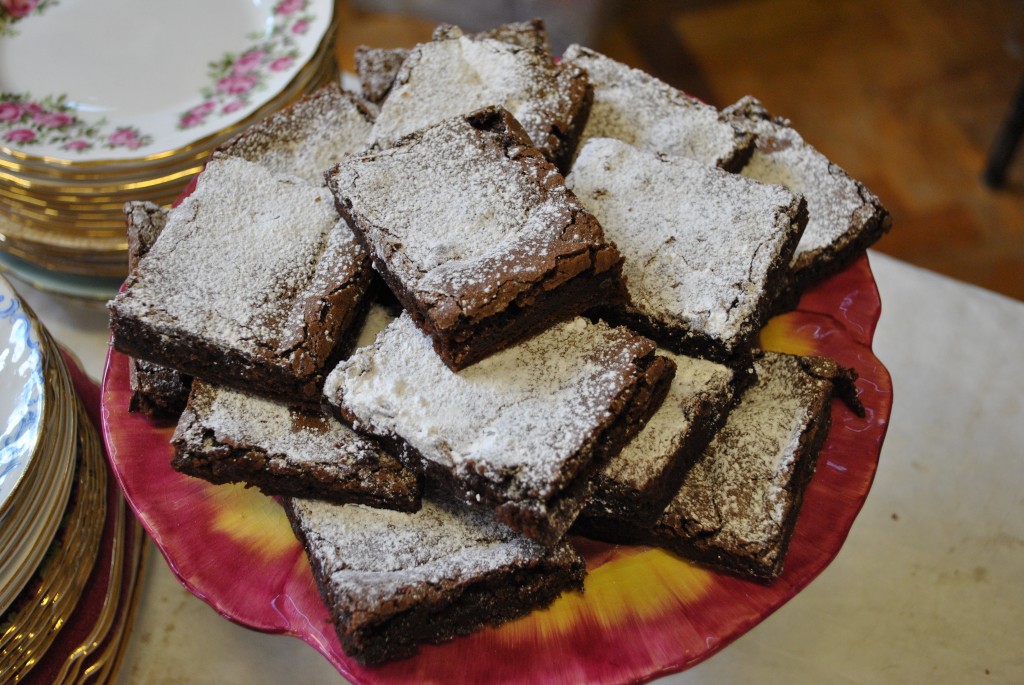
You can then easily use it at home to make drinks, as well as facial toner, or to treat cuts or calluses on your heels. You can steep it in alcohol or macerate it. Alternatively, you can make a sweet oil for salads. I sprinkle some cakes with dried and crushed plant, mixed with lemon zest and cinnamon.
Source: blog.eugenika
Author: Erika Vincoureková