SK
 CZ

Symptoms of Anemia
In addition to the basic symptomsmentioned above, people may also experience neurological problems such as dizziness, sensory disturbances, or tingling in the limbs. Anemia is also common during pregnancy, when it’s necessary to increase your intake of these important nutrients. Did you know that one in three people worldwide has anemia but is unaware of it, since it can only be detected through a blood test?
Pay attention if you’re experiencing these symptoms:
- weakness,
- fatigue,
- pale skin,
- decreased physical fitness,
- cold extremities,
- inability to concentrate,
- irregular heartbeat.
What Is Anemia
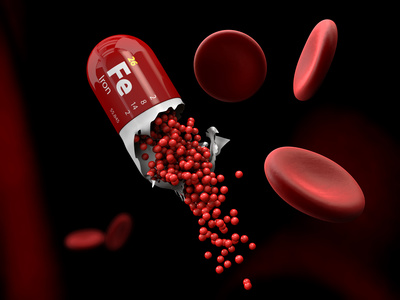
Anemia, also known as blooddeficiency, can be characterized as a blood disorder. It is a condition in which red blood cells are unable to carry oxygen throughout the body as they should.
There are three ways anemia can manifest in you. The first is a disorder in red blood cell production. This is caused by iron deficiency. Closely related to this is a folic acid deficiency. Another cause of anemia is when the body destroys its own red blood cells. In this case, the cause may be a disorder of hemoglobin. The third mechanism that can lead to severe anemia is significant blood loss due to bleeding.
Types of Anemia
In addition to the various reasons why the body does not function as it should, anemiais further classified into several types. Among them is the aforementioned iron-deficiency anemia, which you may also encounter under the name sideropenic anemia. Vitamin B12-deficiency anemia, known as pernicious anemia. Other types include hereditary hemolytic anemia, aplastic anemia, and congenital thalassemia.
Causes of Anemia
The cause of anemia, especially in women, is the loss of red blood cells due to heavy menstrual bleeding, but it can also result from reduced red blood cell production due to a deficiency of iron and certain vitamins in the body, particularly vitamin B12 and folic acid (vitamin B9). Women who lose a significant amount of blood during menstruation are particularly prone to anemia, yet they often do not attribute their symptoms to iron deficiency.
The most common cause of anemia is therefore an iron deficiency within the body. This is usually caused either by a lack of iron in the diet or by poor absorption of iron from the small intestine (in cases of celiac disease, Crohn’s disease, inflammation of the stomach and intestinal lining, cancer, after surgery, etc.).
What to Watch Out For
Pay particular attention to the second scenario, as anemia can be a sign of another, more serious illness. You should therefore never underestimate it, but consult a doctor to determine its cause. In fact, with some serious illnesses, iron supplementation can worsen your condition, so you should not immediately take iron if the cause of your anemia is unknown (e.g., in cases of cancer).
Improve Your Quality of Life
Warning! Anemia can significantly affect your quality of life. Let’s take a look at how to address it and how it’s treated. Healthy blood is the foundation of good health and also the foundation for treating virtually all diseases. About two-thirds of the iron in the body is found in hemoglobin, a protein in red blood cells that transports oxygen from the lungs to the tissues. Iron is essential for the proper production of red blood cells and hemoglobin. It also supports the normal function of the immune system.
A Varied and Balanced Diet
Today’s fast-paced lifestyle forces many people to rely on a fast-food diet, which is unbalanced and deficient in minerals and vitamins. Vegetarians and vegans also face a problem with vitamin B12, which is crucial for iron absorption. Therefore, we have no choice but to supplement our diet with it. Anemia and a healthy diet are closely related.
It is best to obtain iron from a varied diet that contains all the elements necessary for its optimal absorption. It is important to eat plenty of foods rich in iron and B vitamins. Good sources of iron include meat, legumes, leafy greens, and various seeds. We can supply the body with the essential vitamin B12 through foods such as yeast, dairy products, and especially meat.

The body needs iron
Iron naturally supports healthy blood and supplies energy to the entire body by improving energy metabolism. If you have low iron levels, your body cannot produce enough healthy red blood cells. In this case, tissues lack essential oxygen, causing the heart to beat faster and leaving you feeling more tired and exhausted.
How to Replenish Iron
If you have an iron deficiency, you need to replenish it. Unlike other minerals, however, iron is very poorly absorbed; only about 10% of your total iron intake is actually absorbed by the body. This problem is caused by consuming iron in an unsuitable form or by a lack of the vitamins necessary for its absorption. These include, in particular, vitamins B6, B9, B12, and vitamin C. Supplement all of these with liposomal vitamins, which are absorbed by your body more quickly and effectively.
The problem, however, is that ordinary iron, which you take in tablet form, often causes constipation and is also very hard on the stomach for many people. In contrast, common inorganic minerals are essentially nothing more than crushed rock; their bioavailability is approximately 5% to 10%, and after age 35, it drops to about 3% to 5%.
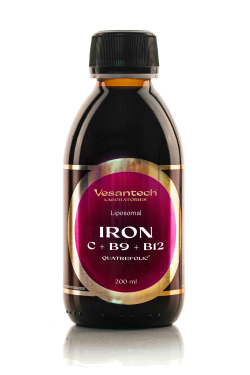
We offer you liposomal natural iron derived from curry leaves, with exceptionally high bioavailability and no negative side effects. We have enriched our liposomal iron with natural vitamin B12, vitamin C, and vitamin B9—also known as 4th-generation folate.
Help from Nature
Medicinal plantscan also help with anemia . For problems with red blood cells,we always recommend the excellent French tamarisk, preferably in the form of a tincture made from the plant’s buds. Don’t forget that stinging nettle is also important for blood-related issues, but it should not be taken long-term. Be careful—it is possible to overdose on iron! However, this usually happens only with dietary supplements if the recommended dose is exceeded in a single instance due to improper use. Therefore, if you’re taking dietary supplements, be sure to follow the recommended dosage. Also, do not take iron if you have certain serious medical conditions. It’s best to consult your doctor before taking iron.
Ing. Pavol Machnič, Editorial Staff www.zdravysvet.sk