SK
 CZ
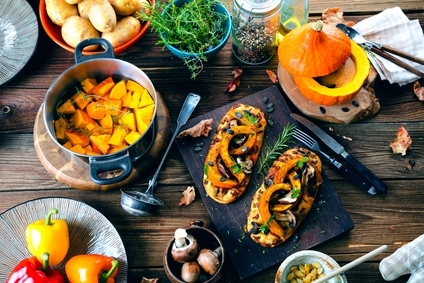
Many people have an inherent tendency toward extremes that stems from their life experiences with various diets. What we’ve come to regard as healthy food usually doesn’t taste good. Why? Because many “experts” have taken healthy eating to such extremes that it’s difficult to enjoy.
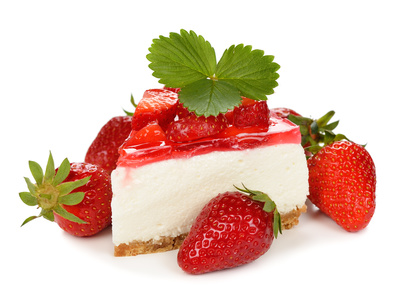
However, when we deny our “brain” the pleasure of a culinary experience, it tends to crave only foods that are not good for our health.
The food industry, through the use of various flavorings, flavor enhancers, excessive sweetening, or deliberate manipulation of foods for marketability (addiction to sugar, chocolate, salt, hamburgers, fast food…), has truly taken today’s foods to the extreme.
As a result, people find it difficult to return to natural foods and do so only occasionally. Many, however, are forced by their health problems to adopt a radical solution and then suffer psychologically because they will never again be able to eat what they once loved.
However, if we always balanced out unhealthy food with healthy options—or seasoned healthy food to our own taste—many people might never have to experience the extremes mentioned above firsthand.
Let me illustrate this with an example. You can turn buckwheat porridge into a delicious dish, but also into a rather unappetizing “slop.” All it takes is a pinch of salt, a sprinkle of the right herbs, and you have a gourmet experience on your plate. I guarantee you’ll find yourself coming back to it often. But who would go back to that dreadful, unsalted, unseasoned, sticky mass that we can also make from this miracle of nature? The same goes for fruit and vegetable salads. For most people, they need to be seasoned.
A little bit of something unhealthy mixed in with a lot of healthy food is definitely better than everything being healthy but tasteless. At the same time, you can season your food with healthy ingredients as well.
For example, I recommend using miso to season soups; for pasta, you can use various pestos or pumpkin butter; and in salads, you can mix in various plant-based protein powders that also taste good, such as flax protein or pumpkin protein. Soup drizzled with Styrian pumpkin oil and sprinkled with pumpkin seeds can look fantastic.
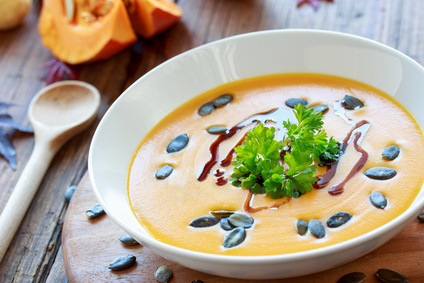
Even Ayurveda, the 5,000-year-old traditional natural medicine of the East, states that if your diet consists of 70 to 90% healthy foods, then food becomes medicine. Yes, they set the limit at 90% because Ayurveda considers 100% to be an extreme.
With this approach, we can gradually transition to a much healthier lifestyle.
If you’re on a diet and have a truly irresistible craving for a piece of chocolate, go ahead and have it. But really, have just a small piece, and savor it in your mouth for as long as possible. Your brain has no other way of telling you that it’s lacking some important nutrient except through a craving for a particular food. However, if you ignore its needs, it will store reserves in the form of fat deposits the next time—or it will subtly increase the efficiency of your metabolism. This means it will make full use of everything in the food you eat. Then we wonder why we ate 20 decagrams of cod and gained one kilo on the scale...
Always include plenty of fruits and vegetables in your diet. This is easy to do, for example, with smoothies that contain fruit and leafy greens. There’s nothing better you can do in the morning than to have a smoothie like this for breakfast. You’ll get plenty of nutrients, you won’t strain your digestive system, and you’ll consume a sufficient amount of fiber—something that’s sorely lacking in the modern diet.
For those who don’t want to blend their own drinks and make excuses to themselves that they “don’t have time,” I recommend, for example , RAW Protein & Greens— a pre-blended mix of various healthy foods. Just mix it with water to enrich your daily diet. But there are many more options...
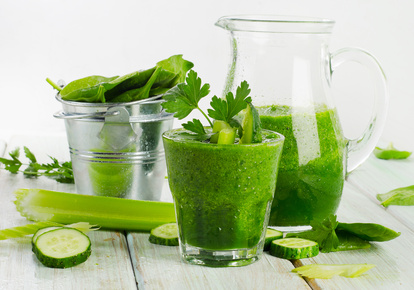
Adequate fiber intake enables our bodies to be cleansed daily of toxins and metabolic waste.
Keep in mind that the harmony of the body is closely linked to the harmony of the mind. If we torture our bodies with food that tastes bad—even if it’s healthy—we’ll never be satisfied.
I like my friend’s life philosophy and approach to food. “I’m 90% vegan,” he says. “What kind of nonsense is that?” I ask. “When I occasionally get a craving for a grilled steak, I’ll have one,” my friend says. That’s when I realized that this approach can truly appeal to a wide range of people. I’ve been successfully promoting it ever since. It’s a path of compromise, but over the years, it’s really worked.
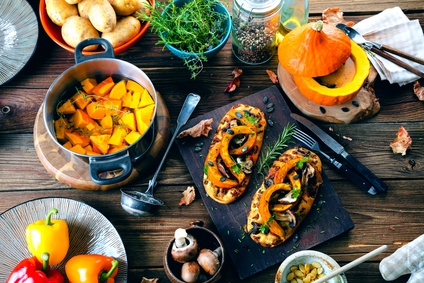
Healthy food can look like this, as shown in the picture—all you have to do is use your imagination and properly season and visually garnish a pumpkin , which some people find unappetizing .
During a consultation about a health issue—which also involved dietary changes—one woman told me: “You know, I’d even switch to a healthy diet, or even a raw food diet, but I absolutely love having poppy seed noodles with butter and sugar for dinner sometimes. Since I don’t intend to give them up, I’d rather eat unhealthily.”
This brief encounter only reinforced my philosophy of “healthy and delicious.” I explained to her that if she eats healthy and delicious meals, she can still enjoy her favorite noodles from time to time. I explained the basic principles to her and told her that if she sticks to a healthy diet at least 90% of the time, it will be significantly better than before.
Since then, this lady’s health has improved significantly, and even now, in addition to her smoothies, vegetable salads, and other healthy foods, she occasionally treats herself to her favorite poppy seed noodles with sugar, poppy seeds, and butter.
I wish you as much healthy and delicious food as possible in your meal plans.
Pavol Machnič, journalist, editorial staff at www.zdravysvet.sk