SK
 CZ
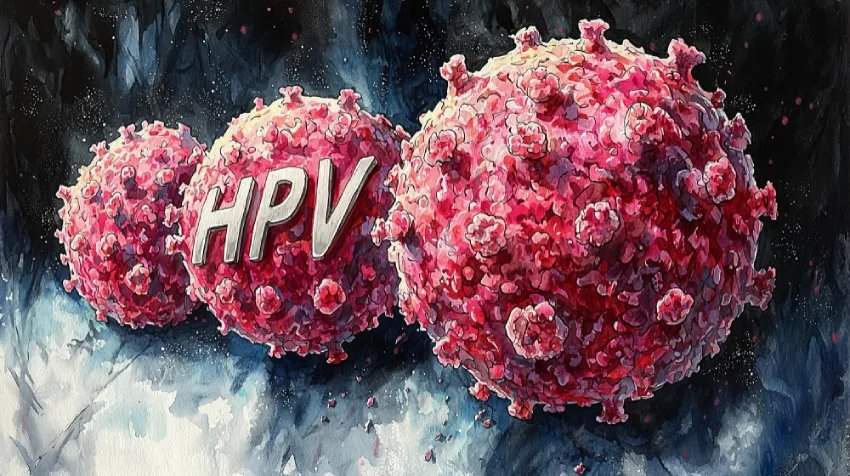
Introduction to HPV
Human papillomavirus is a double-stranded DNA virus belonging to the genus Papillomaviridae. Among the more than 200 strains are types with low oncogenic potential (e.g., HPV 6 and 11), which most commonly cause genital warts, and high-risk types (e.g., HPV 16 and 18), which are responsible for precancerous lesions and invasive tumors. The number of new infections in Europe reaches up to 14 million annually, with up to 80% of the sexually active population contracting HPV at some point in their lives. Most infections are asymptomatic and resolve spontaneously within two years; however, persistent infection with high-risk types significantly increases the risk of malignancy.
The aim of this article is to provide readers with a comprehensive overview:
1. The biological principles and life cycle of the virus
2. Diagnostic and preventive procedures
3. Conventional treatment methods and their limitations
4. Natural therapies to support the antiviral response
5. Lifestyle and nutritional recommendations for boosting immunity
What is the HPV virus?
HPV infects epithelial cells of the skin and mucous membranes through microlesions. The viral genome replicates in the nuclear episomes of host cells during their cell cycle. Key characteristics include:
HPV is divided into two broad categories based on the risk of malignancy. Low-risk strains (e.g., HPV 6, 11) primarily cause warts, while high-risk strains (e.g., HPV 16, 18, 31, 33), due to the expression of the E6 and E7 oncoproteins, disrupt the function of the p53 and pRb tumor suppressors. This leads to cell cycle dysfunction, the accumulation of genetic mutations, and the development of precancerous changes classified as CIN 1–3. WHO epidemiological data show that approximately 5% of infected women over the age of 30 carry a persistent infection with high-risk types, which requires medical monitoring.
The prevalence of HPV is influenced by lifestyle, geographic, and demographic factors. Higher incidence rates are observed in populations with earlier onset of sexual activity and a greater number of sexual partners. In men, particularly men who have sex with men, the infection is often diagnosed only at an advanced stage, when precancerous changes or condylomas may already be present in the anogenital region.
Modes of Transmission and Risk Factors
HPV spreads primarily through sexual contact, including vaginal, anal, and oral sex, but also through intimate contact between mucous membranes without penetration. Vertical transmission during childbirth can cause respiratory warts in newborns. Key risk factors include:
- A high number of sexual partners (≥5) and early onset of sexual activity (<18 years of age) increase the likelihood of exposure to various HPV strains.
- A weakened immune system (HIV, long-term immunosuppressive therapy) leads to poorer clearance of the viral infection.
- Smoking causes chronic inflammation of the mucosal barriers and reduces local immunity, which promotes viral persistence.
- Missed or irregular preventive screenings (Pap test, HPV DNA test) allow the infection to remain untreated until more advanced stages.
The male population is often asymptomatic, leading to the unwitting spread of the infection. Among men who have sex with men, the risk of anorectal dysplasia is significantly higher; therefore, regular anoscopic examinations are recommended.
Symptoms and Course of the Infection
The course of HPV infection includes a latent phase, which can last indefinitely without clinical manifestations, and an active phase with visible lesions:
The asymptomatic phase is the most common form, and the virus can only be detected through screening. Activation leads to the proliferation of infected epithelial cells, which clinically manifests as warts or condylomas. Genital warts are soft, exophytic lesions that often appear in the genital area, perineum, and anus. Flat and plantar warts form on the hands, feet, and face and have a keratotic surface.
Precancerous changes in the mucous membranes, classified according to the CIN scale, reflect the severity of dysplasia:
CIN 1 affects the lower third of the epithelium and often regresses spontaneously. CIN 2 and CIN 3 represent moderate to severe dysplasia that requires treatment. Without adequate treatment, CIN 3 can progress to carcinoma in situ or invasive cervical cancer. The course of the disease depends on the type of HPV strain, the patient’s immune status, and the presence of other carcinogenic factors, such as smoking.

HPV Prevention
Prevention involves a combination of vaccination, safe sexual practices, and regular screenings. Vaccination is the most effective method for reducing the incidence of high-risk oncogenic strains. Gardasil 9 protects against nine key strains (6, 11, 16, 18, 31, 33, 45, 52, 58) and is recommended for girls, boys, and young adults up to age 26, with an extended indication up to age 45 for those at higher risk. The vaccination schedule consists of two doses administered 6 months apart for children and adolescents (ages 11–14) or three doses (at 0, 2, and 6 months) for older individuals.
Safe sexual practices include the use of condoms, which reduce the risk of transmission, although they cannot completely eliminate contact with skin lesions. Open communication between partners and mutual testing for sexually transmitted infections are important. Preventive gynecological screenings for women include a Pap test every 3 years (ages 21–65) and an HPV DNA test every 5 years (starting at age 30), which allow for the early detection of precancerous changes. For men at high risk, anoscopy and examination for anogenital warts are recommended.
Conventional Treatment Approaches
Treatment methods aim to remove visible lesions and precancerous changes, but viral reservoirs may persist in the surrounding tissue:
- Cryotherapy with liquid nitrogen, most commonly used for genital warts, is quick but painful.
- Topical keratolytics, such as salicylic acid or podophyllotoxin, dissolve hyperkeratosis and prevent the proliferation of infected cells.
- Surgical removal (excision, conization) and laser ablation provide definitive removal of lesions, but with an increased risk of scarring and bleeding.
- Electrocoagulation uses an electric current to destroy dysplastic tissue, often with good cosmetic results.
For precancerous changes in the mucosa, LEEP (Loop Electrosurgical Excision Procedure) and conization are used, which reduce progression to an invasive form. However, all conventional therapies address local lesions, not the systemic viral infection; therefore, it is important to combine them with immune support.
Natural and Complementary Therapies
Supportive natural therapies aim to enhance the antiviral response and reduce the risk of latent virus reactivation. At the Zdravý svet clinic, we recommend:
Monthly Antiviral Tincture
- Licorice T22 + Grapefruit Seed T11A + Stop KOK PG61
- 20–30 drops of each tincture 3 times a day in a small amount of water, half an hour before meals
- Licorice glycosides block viral DNA polymerase, bioflavonoids from grapefruit seeds enhance antiviral activity, and beta-glucans stimulate macrophage phagocytosis
Immunomodulatory Support
- Reishi Super Mushrooms (60 capsules)
- Twice daily during flu season, once daily outside of flu season
- Polysaccharides and triterpenes stimulate the activity of NK cells and T lymphocytes
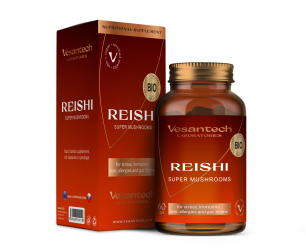
Kosher and Halal-certified organic Reishi for a weakened immune system.
Restoration of Intimate Microbiota
- Vesantech Vaginal Probiotics (50 billion CFU)
- 1 capsule daily for 10 days, then once every quarter for prevention
- Maintains the balance of the vaginal flora and reduces the risk of secondary infections
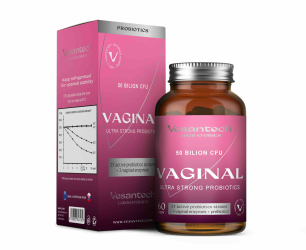
Unique probiotics formulated for women’s reproductive health.
Increased Bioavailability
- Liposomal Immunity Booster
- 1 scoop daily in a glass of water
- Liposomes protect the active ingredients from degradation in the digestive tract and ensure their absorption into enterocytes
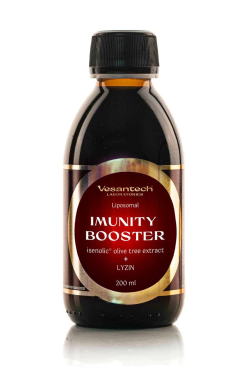
These approaches work synergistically to increase the body’s overall resistance to HPV and support the elimination of viral particles, thereby reducing the risk of recurrence and disease progression.
Lifestyle and Nutrition to Support Immunity
An optimal lifestyle and nutritional regimen support both systemic and local immune responses:
A diet rich in antioxidants and micronutrients
- Vitamin C: bell peppers, citrus fruits, broccoli
- Vitamin D: fatty fish, liver, supplementation of at least 1,000 IU/day
- Vitamin E: nuts, seeds
- Zinc: pumpkin and sunflower seeds
- Selenium: Brazil nuts
Healthy fats and fermented foods
- Omega-3s from salmon or flaxseeds reduce inflammation
- Extra virgin olive oil supports antioxidant pathways
- Kimchi, kefir, and sauerkraut provide beneficial probiotics
Sleep and stress management
- 7–8 hours of quality sleep daily to regenerate immune cells
- Mindfulness, yoga, and breathing exercises reduce chronic cortisol
Regular exercise
- 150 minutes of aerobic activity per week and 2 strength training sessions improve white blood cell circulation
This comprehensive approach supports the barrier function of the mucous membranes, reduces chronic inflammation, and maximizes the body’s ability to detect and eliminate viral infections.
Answers to Frequently Asked Questions
How long does the vaccination series last?
The recommended schedule is 2–3 doses over the course of 6 months.
Can HPV be completely cured?
Most infections clear up spontaneously within 1–2 years without any complications, but persistent strains should be monitored.
When should you see a doctor?
If you notice unusual growths, bleeding outside your menstrual cycle, or a positive HPV test.
How often should preventive care be repeated?
Gynecological screening every 3 years; probiotic prevention once a quarter.
HPV is a common but potentially serious infection. Vaccination, regular screenings, effective removal of lesions, and boosting immunity with natural supplements form a holistic approach to prevention and treatment. Visit the Zdravý svet online store, choose specialized products, and consult our experts about your needs. Start taking preventive steps today and protect your health for the future!
Images used: Freepik
Martin Kolčák, Editorial Team at zdravysvet.sk