SK
 CZ
Distribution, Cultivation, and Harvesting of the Common Pumpkin
The common pumpkin, known in Latin as Cucurbita pepo, is a plant species belonging to the gourd family. It is known for its large fruits, which can weigh up to 40 kg. The common pumpkin is found worldwide, but its origin dates back to Central and South America. Today, it is grown primarily in North America, Europe, and Asia. It prefers sunny and warm locations with good soil moisture. The ideal time to plant pumpkins is from late April to early May.
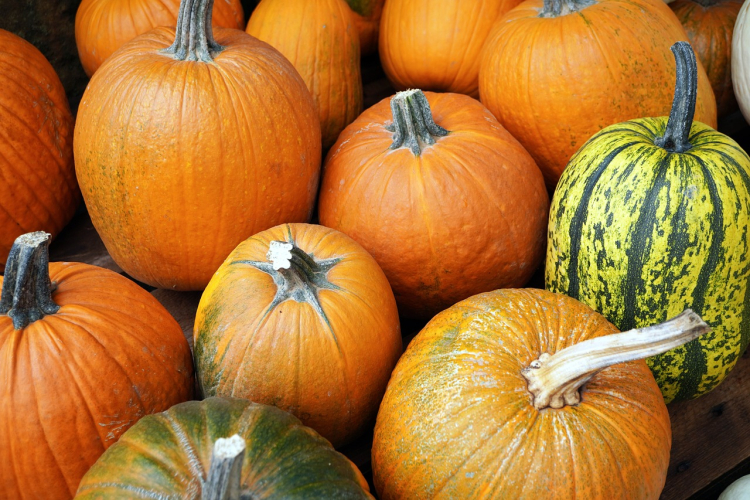
The common pumpkin plant is a vine with long, thick, and hairy stems. The leaves are large, thick, and coarse-textured, with a green hue. The flowers are large, bell-shaped, and yellow. The fruits come in various shapes and sizes, ranging from round and elongated to angular with deep grooves. The color of the fruit depends on the variety and can be orange, green, yellow, white, or a combination of these colors. The “flesh” of the pumpkin is usually orange, though it can also be yellow or greenish.
Common pumpkins are harvested in September and October, when the fruits are fully ripe. When harvesting, it is important to leave the stem attached to the pumpkin, as this extends its shelf life. Pumpkins are stored in a dry, cool place, where they can last for up to several months.
Decorative Uses of Pumpkins
An interesting fact about the common pumpkin is that it is often associated with fall and especially with the magical “All Souls’ Day” period, when people around the world celebrate Halloween on October 31. Traditionally, during this time, spooky faces are carved into pumpkins, and at night, candles are placed inside them to create a “glowing head” effect. This fall vegetable then serves as a decoration during Halloween celebrations. Be sure not to throw away the unused parts of the pumpkin—put them to good use in the kitchen for your health.

Health Benefits of the Common Pumpkin
Pumpkins are very hardy and grow at altitudes of up to 3,000 meters above sea level. They were very popular in the past. King Charlemagne required new settlers to grow pumpkins in their gardens. If we want to stay young for a long time, we should eat pumpkin seeds, which contain nucleic acids and indirectly support the production of vitamin D in our bodies.
The flesh of the pumpkin is the main part consumed; it is rich in vitamins A, C, and E, as well as minerals such as potassium, calcium, iron, and fiber. Pumpkin seeds are also nutritious, containing protein, healthy fats, particularly high levels of zinc, and fiber. Pumpkin can be prepared in many ways, from roasted and boiled to raw in salads.

The common pumpkin is not only tasty but also offers numerous health benefits, such as:
- it helps with prostate problems and incontinence by strengthening the sphincter muscles
- is important for eye health
- eat it often if you have a weakened immune system
- it regulates blood sugar levels
- aids in weight loss thanks to its low calorie content and high fiber content
Common Pumpkin for Prostate and Incontinence
Pumpkin seeds can be helpful in addressing prostate issues and improving heart health. They are rich in oils and other valuable nutrients. Scientists have demonstrated their ability to eliminate intestinal parasites, relieve constipation, and even fight cancer. Concentrated pumpkin seeds result in pumpkin seed oil. Therefore, as a preventive measure, pumpkin seed oil is an extremely important natural remedy for a healthy prostate.
Do you have problems with uncontrolled urine leakage? This suggests that you have poor control over your urinary muscles and may be suffering from incontinence. The solution may be pumpkin tincture, which is known for its ability to strengthen the sphincter muscles and is one of the few natural remedies for this problem. The tincture can be taken long-term and without restriction. You can supplement it with occasional use of high-quality pumpkin seed oil, which is not only healthy but also tasty. You’ll achieve optimal results by combining these two products.
Regularly incorporating these seeds into your diet as a healthy snack—perhaps instead of salty pretzels or as part of a nut mix—can be an excellent way to promote good health. Pumpkin seed oil has also proven to be a versatile nutritional supplement and a universal health aid.
Neither the pumpkin flesh nor the seeds have any adverse effects; it is impossible to overdose on them with normal consumption, so we can enjoy their beneficial properties without worry.
You can also purchase pumpkin at our herbal shops in the form of the Tekvica T54 tincture, as well as inthe unique Styrian pumpkinoil from the family-owned company Schalk Muhle KG, which has been awarded the “Premium Styrian Pumpkin Oils” gold medal multiple times.
Styrian pumpkin seed oil, also known as the “green gold” of southern Styria, is winning over the hearts of gourmet food lovers with its unique aroma and delicate nutty flavor. This oil stands out significantly from other pumpkin seed oils, as evidenced by the fact that every bottle of genuine Styrian pumpkin seed oil comes with its own certificate of origin and is marked with a seal of authenticity.
It’s ideal for salads, where its distinctive flavor makes it the star of the show. In addition, it provides a wealth of valuable nutrients that are highly beneficial for our bodies. The recommended daily intake is one to four teaspoons. Its pleasant and exceptional flavor is sure to enchant you.
www.zdravysvet.sk’s selection also includes Styrian pumpkin seeds. They are unflavored and naturally hulled. A great, healthy snack, suitable for any kitchen. They are recommended for heart and cardiovascular issues, high cholesterol, skin, hair, and nail problems, as well as prostate and bladder issues.
In conclusion, it can be said that the common pumpkin is not only a tasty and nutritious part of our diet but also makes a significant contribution to our health and overall well-being.