SK
 CZ
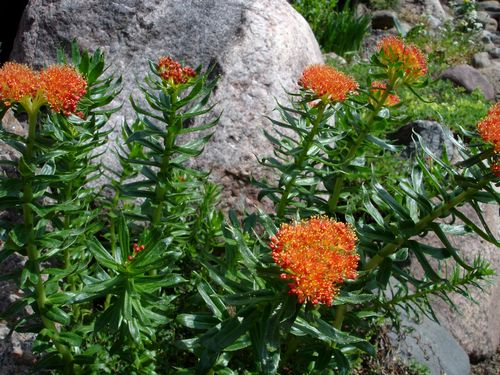
What will you learn in the article about the pink stonecrop?:
Slovak: Rhodiola rosea, Latin: Rhodiola rosea, Czech: Rhodiola rosea, common name: golden root
Rhodiola rosea (Rhodiola rosea) is classified as a plant-based stimulant and harmonizer. It is well known to those who need to boost thyroid function. In Siberia, it is even said that anyone who drinks Rhodiola rosea tea will live to be a hundred years old.
In addition to Rhodiola itself, other adaptogens in modern, highly bioavailable forms—such as Liposomal Ashwagandha or an enhanced version enriched with additional extracts, Liposomal Ashwagandha Plus+—are also popular today for strengthening the nervous system and improving stress management. These products effectively complement the effects of traditional herbs on the body and help reduce anxiety and improve sleep.
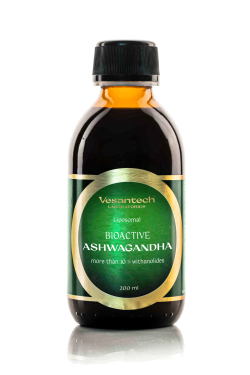
Bioactive ashwagandha with the highest percentage of withanoids on the market
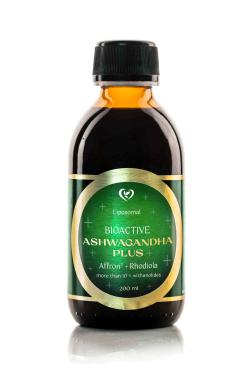
A unique formula for stress, anxiety, and sleep disturbances
Rhodiola rosea at a Glance
Due to the lemon-yellow to golden color of its root bark, Rhodiola rosea is commonly known as “golden root.” It earned the epithet “rose” because of its distinctive scent reminiscent of roses. It is also known as “rose root” or “Rhodiola rosea.”
It grows primarily in the high-mountain regions of the former USSR (southern Siberia, the Urals, Transbaikal), Mongolia, China, Western and Central Europe, and the Balkans.
Experts are devoting considerable attention to researching the biological effects of Rhodiola. The results of phytochemical studies in recent years only confirm the validity of its widespread use in traditional folk medicine, where it has been used for centuries, primarily as a tonic during convalescence.
Rhodiola rosea: Can Also Be Grown in a Rock Garden
Rhodiola rosea is a “bushy” plant that grows in the mountains and on rocky meadows. In Slovakia and the Czech Republic, it is a legally protected plant. Here, you can see it in bloom in the Tatra Mountains and in the Malá Fatra Mountains.
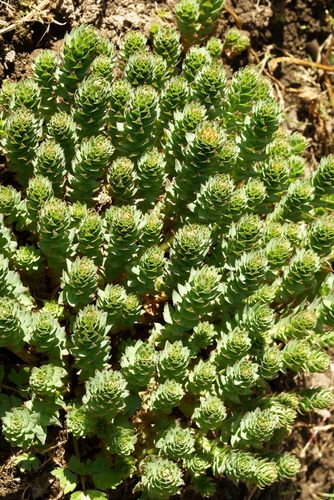
Rhodiola is grown for its foliage and flowers and is suitable for rock gardens or the front of a mixed or perennial bed. It thrives in moderately fertile soil in full sun. It is a variable, clump-forming, dioecious, rhizomatous perennial with purple rhizomes from which broadly ovate to narrowly lanceolate leaves emerge. The leaves are fleshy, gray-green in color, with entire margins or irregularly toothed edges, up to four centimeters long, and with reddish tips. In summer, dense, terminal, corymb- or umbel-like inflorescences of numerous male or female, yellow-green flowers with a diameter of 6 mm appear, opening from pale pink buds.
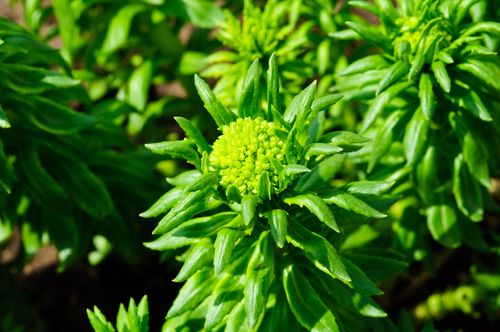
For cultivation in our climate, it requires a sunny location. It does not tolerate high groundwater levels or waterlogged soil. Well-drained, humus-rich soil suits it best.
Sow the seeds in the spring or, alternatively, in the fall. After spring sowing, they germinate in about a month. For vegetative propagation, use strong cuttings in late summer, ensuring that each cutting has buds. Place them in a container with soil and keep them over winter in a frost-free room.
It contains flavonoids, heteroglycosides, steroids, tannins, and other valuable compounds.
Effects of Rhodiola rosea on Body and Mind
Rhodiola has a positive effect on vitality and energy in both body and mind. It is therefore suitable for anyone exposed to increased mental and physical stress. Its positive effects on physical performance have been well documented—since the 1970s, it has even been widely used for this purpose by elite athletes in the countries of the former Soviet Union and other nations.
In addition, it supports and harmonizes the release of so-called neurotransmitters—substances that regulate nerve impulses—thereby positively influencing mood, mental balance, and emotional stability.
Did you know that St. John’s wortcan also help relieve mental tension ? Learn more about this useful herb in our article!
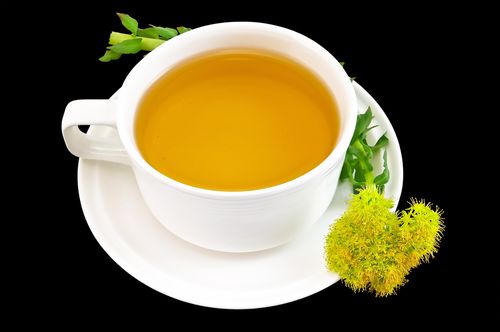
Rhodiola is also known for its tonic effects
The tonic effects of this plant have been known in the Altai region for over 400 years. For local people, it was a remedy that boosted work capacity and treated many ailments. Traditional Chinese medicine has used Rhodiola for centuries to support insulin secretion and increase vitality.
It has a positive effect on asthenic conditions following infectious diseases and intoxications. It reduces high fevers and treats stomach problems as well as certain gynecological issues. It stimulates thyroid function, but caution is advised as it raises blood pressure.
In cases of exhaustion and insomnia caused by nervousness , Rhodiola preparations regulate sleep and appetite and promote mental relaxation.

It has an excellent effect on cognitive function—it improves memory (according to some sources, reportedly more than ginseng), combats fatigue, stimulates natural hormonal activity, boosts the body’s immune response, and has detoxifying effects. It positively influences heart and vascular function and has significant antioxidant effects.
It helps speed up metabolism and influences feelings of hunger, so it is also used as a supplement for weight-loss diets.
In Russia and some other countries, not only medicinal extracts but also tonic non-alcoholic beverages are available.
Here, we most commonly encounter a tincture made from this herb. You can find it in our online store or at herbal shops under the name Rhodiola rosea P60. It promotes more efficient use of fats for energy and provides the body with greater endurance and concentration. It helps combat fatigue. It harmonizes the body and optimizes thyroid function.
It is also part of the K44 and K44A herbal regimens—a sports-focused herbal supplement designed to help increase men’s fitness and performance. The regimen contains additional plant-based harmonizers, biostimulants, and adaptogens that boost the body’s resistance to various stresses.
They also boost the biosynthesis of proteins and nucleic acids, release energy, reduce fatigue, and accelerate recovery after strenuous exercise.
Finally, a word of caution: it’s best not to use it for long periods or in excessive amounts.
As the saying goes: “There’s no herb that isn’t good for something.” So today we’ve learned about another one that many of you may not have known about, and you’ll surely benefit from its healing properties.
Let’s not forget that we are all responsible for our own health and our own destiny. Anyone who has chosen this path should opt for approaches and methods that lead to the prevention of lifestyle-related diseases and good health.
You’re wondering what those are?
- a change in outlook on life,
- a change in diet,
- occasional therapeutic fasting,
- exercise and spending time outdoors,
- adjusting your entire daily routine,
- incorporating herbal remedies, which are essential for good health because we are part of nature.
Everything from nature—herbal remedies—helps us address health issues, but the strength to overcome illness must come from within; we must explore other options, choose our path, fight, and above all, never give up.
Mgr. Dagmar Machničová, editorial staff at www.zdravysvet.sk