SK
 CZ

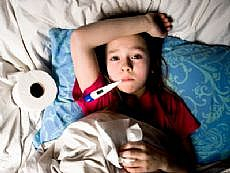
During this time of year, many of us experience recurring problems with colds, breathing, and bronchial issues, or we may even have allergic reactions. You cough, feel tired, have irritated eyes and a sore throat, suffer from headaches, feel nauseous, and have irritated skin. You don’t know how to deal with these constant health issues.
In this case, it’s necessary to look for the real cause of these problems.
It may be that mold is the trigger for all of these symptoms. It enters our homes along with moisture. It affects our bodies secretly and, above all, insidiously. You may not even notice it at all; symptoms may not appear until much later—sometimes even years later.
Mold is a type of fungus that forms in damp places. It reproduces through spores, which can be compared to plant seeds. These spores are highly resistant to external influences, and their growth is clearly promoted by moisture.
They are a natural part of the environment and are found in every food. Many of them cannot be destroyed even by boiling or cooling to minus 270 degrees Celsius.
Many of us know very well—even if we don’t realize it—that there are also molds that are beneficial to humans. Alexander Fleming, for example, discovered penicillin in bread, which has been and continues to be beneficial to the entire world and has already helped save millions of lives. Or what about the noble blue molds in cheeses or the white molds on their surfaces, which many of us love? Who isn’t familiar with Niva, Camembert, Gorgonzola, Brie, Cheddar, and other cheeses with these noble molds? Without the noble molds that colonize grapevines, there would be no exquisite Tokaj wine—a wine that Maria Theresa herself consumed in small quantities as a remedy and was prescribed by her personal physicians.
Molds have existed for a very long time. Our ancestors encountered them as well. In the past, people weren’t as afraid of mold as they are today. Sometimes, when we older folks were small children, our parents or grandparents would calmly cut away the moldy part of an apple, and we’d eat it without fear. They would skim the mold off the surface of compotes or jams, and even though we now know that mold grows throughout the entire apple and compote, nothing ever happened to the people who ate them back then. They lived to a ripe old age without any health problems.
Mold in food wasn’t dangerous; for many of us, it was more the embodiment of disgust. We consumed completely different—pure—foods than we do today. Today, we have a completely different perspective on mold in food. Nowadays, we don’t eat any food if we notice that mold has appeared on it. We know that the most toxic molds are found on bread, in grain and smoked products, and on potatoes...
There are tens of thousands of species of mold that occur in various environments. About 430 of them specialize exclusively in the human body. Not only do they occur in the body, but they also reproduce there.
However, it is important to know that they cannot endanger our bodies unless they are the ones that specialize exclusively in humans. Those that are dangerous to us are the ones that originate in the tropics and “arrive” here via ships. They are found in various foods, such as nuts, cocoa, citrus fruits, and so on.
Those that have established themselves in our bodies are dangerous. They are capable of overgrowing organs or impairing their function. Women are very familiar with the problems caused by fungi on the vaginal mucosa—vaginal yeast infections. These are very difficult to treat with Western medicine.
In our practice, we are increasingly collaborating with gynecologists who also specialize in alternative treatments and have achieved very good results in treating mycoses—using gemmotherapy—extracts from herbs and plant buds. Effective remedies for fungal infections include poplar, clematis, garlic, oak, and calendula. With the right combination of these tinctures, we can achieve incredible results. Gemmotherapy products are available on our website at www.zdravysvet.sk.
We also operate a consultation service here, led by Ms. Podhorná, M.A., who has been practicing gemmotherapy for many years with excellent results.
We are pleased that, these days, more and more people are beginning to explore the true causes of their health problems. I understand that very good results can be achieved by using the right treatment.
Our immune system is clearly the “fighter” against fungi.
It recognizes fungal spores and tries to get rid of them, for example, through coughing, sneezing, and breathing difficulties that often resemble asthma attacks. If our immune system is weakened, we are unable to eliminate these dangerous substances. In this case, they enter our lungs, where they settle, begin to proliferate, and cause sudden and severe inflammation.
In homes, kitchens and bathrooms are prime breeding grounds for mold; it can be found on walls behind furniture, around window frames, near dishwashers, and in places that aren’t easily visible.
We often don’t even realize what can trigger mold growth in our surroundings. It could be a large number of plants in the apartment, drying laundry in living areas, aquariums, or cooking without powerful range hoods.
Regular ventilation is important for preventing mold, even in winter.
Humidity meters are a useful tool for measuring humidity levels in our rooms; they help us maintain appropriate humidity levels in the areas where we spend the most time. Keep the humidity in your home between 40% and 60%. Humidity levels above 60% create ideal conditions for mold growth, and humidity levels above 80% lead to a dramatic proliferation of mold. For example, there are electric dehumidifiers that can be used in bathrooms or in rooms with high humidity.
Let’s make sure not to underestimate humidity, as it can work against us.
Mold growth can be eliminated using special disinfectants. Simply spray the affected areas; let the solution sit for a few minutes, then wipe it off with a damp cloth. A major mistake is trying to remove mold “dry” by wiping it with a dust cloth—doing so could spread the spores throughout the surrounding area.
Tip: If the mold keeps coming back even after using disinfectants, you’ll need to treat the affected area again with special anti-mold products. Check out the guide on how to remove mold from walls.
I would like to point out, however, that people today are starting to live in overly sterile environments. They’ve been exposed to advertisements for vacuum cleaners, antiseptics, and chemicals that, according to the ads, disinfect absolutely everything. You’ve surely noticed experts’ warnings that the increasing sterility of our environment is the cause of many illnesses. Our immune system is starting to malfunction. That’s why I’d recommend taking a realistic approach to cleaning our homes as well.
Too much of anything is harmful
Let’s make an effort to educate ourselves about health as well, because it’s very important these days to take care of our bodies—especially through disease prevention. I think we devote far too little attention to this. Most of the people who come to our herbal shops already have health problems, and very few are concerned with disease prevention. And this is an area where we all need to improve.
Taking care of ourselves so that we can live our lives with as few health problems as possible.
Mgr. Dagmar Machničová www.zdravysvet.sk - everything for your healthy life